“Heroes do extraordinary things. What I did was not an extraordinary thing. It was normal.” — Irena Sendler
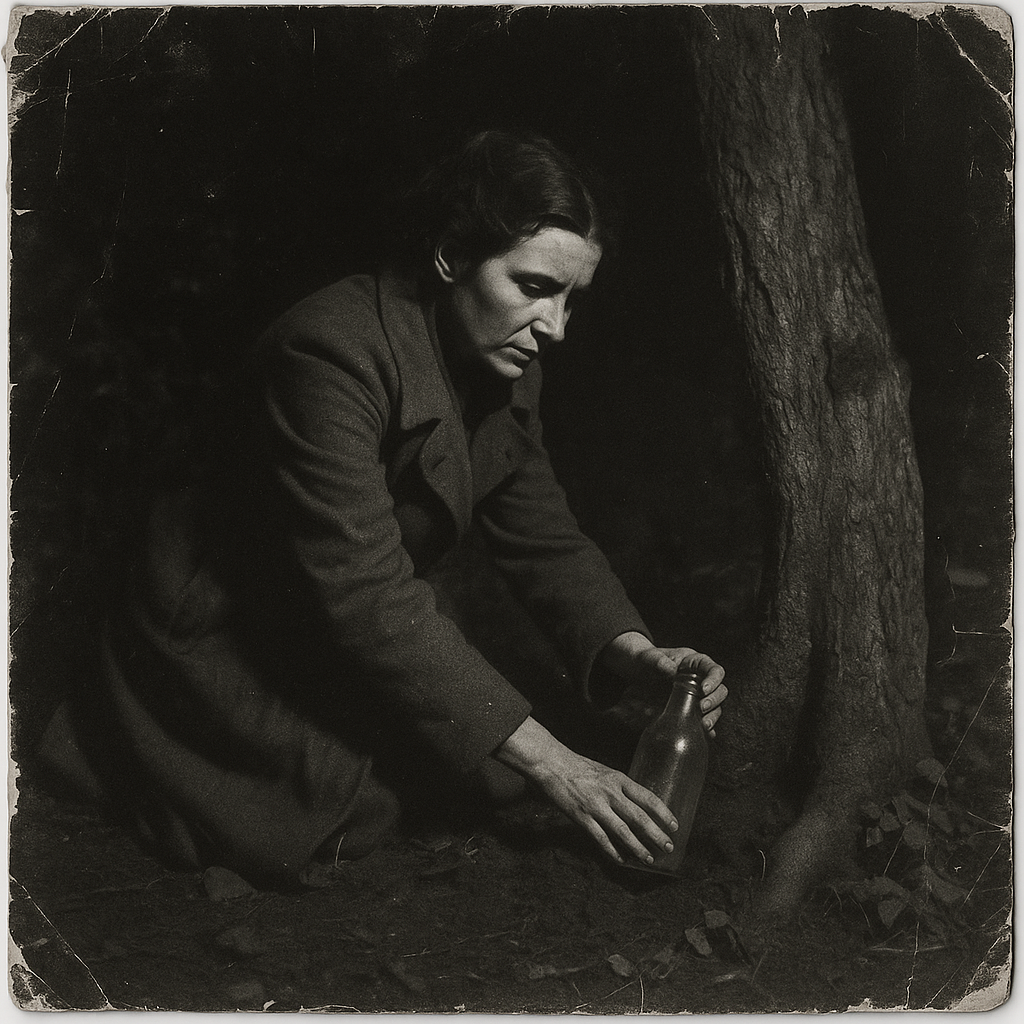
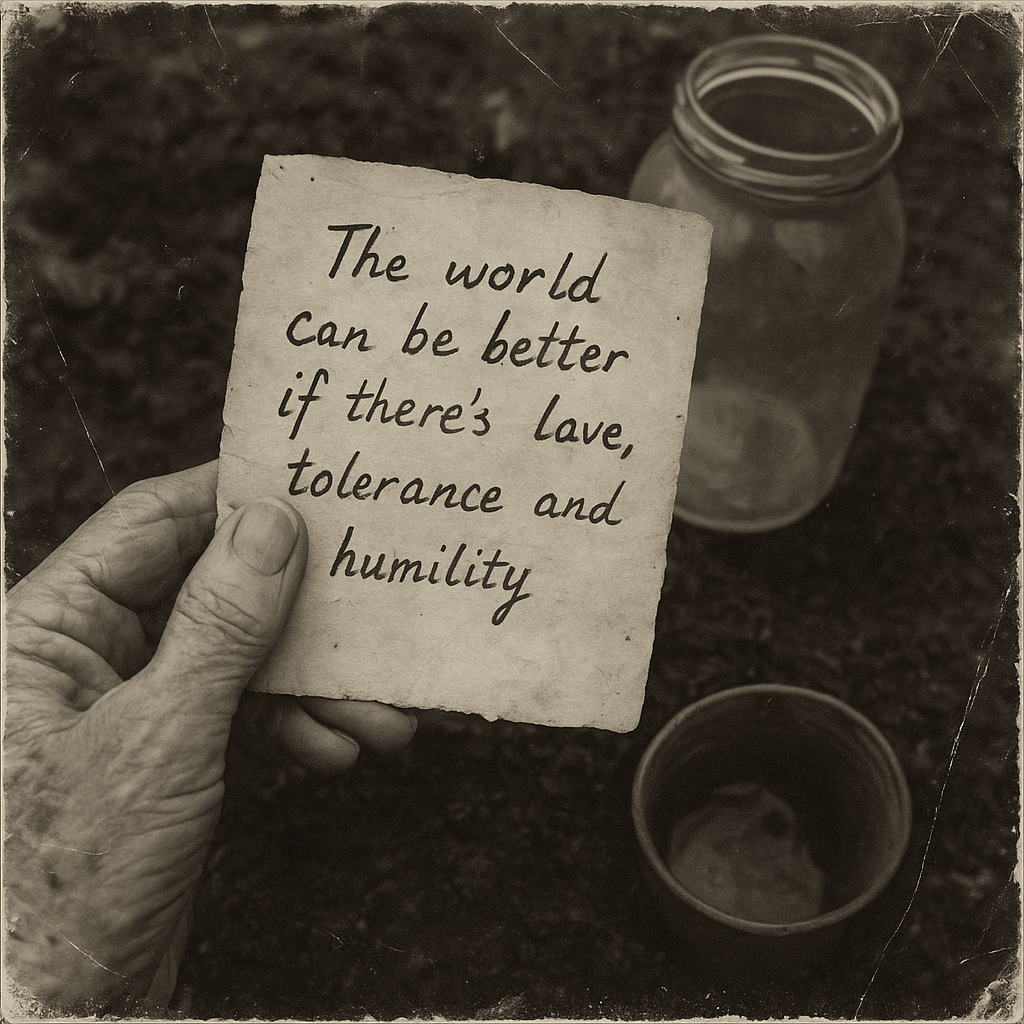
The night was dark and quiet. Irena Sendler stood in a small garden outside her friend’s house, holding an empty milk jar in her hands. She looked around carefully—no one could see her. Inside the jar were small pieces of paper, each with a child’s real name and a new Polish name written on it.
She knelt down and buried the empty milk jar under a tree. It was the third one that week. She whispered softly, “Someday, you’ll all find your families again.”
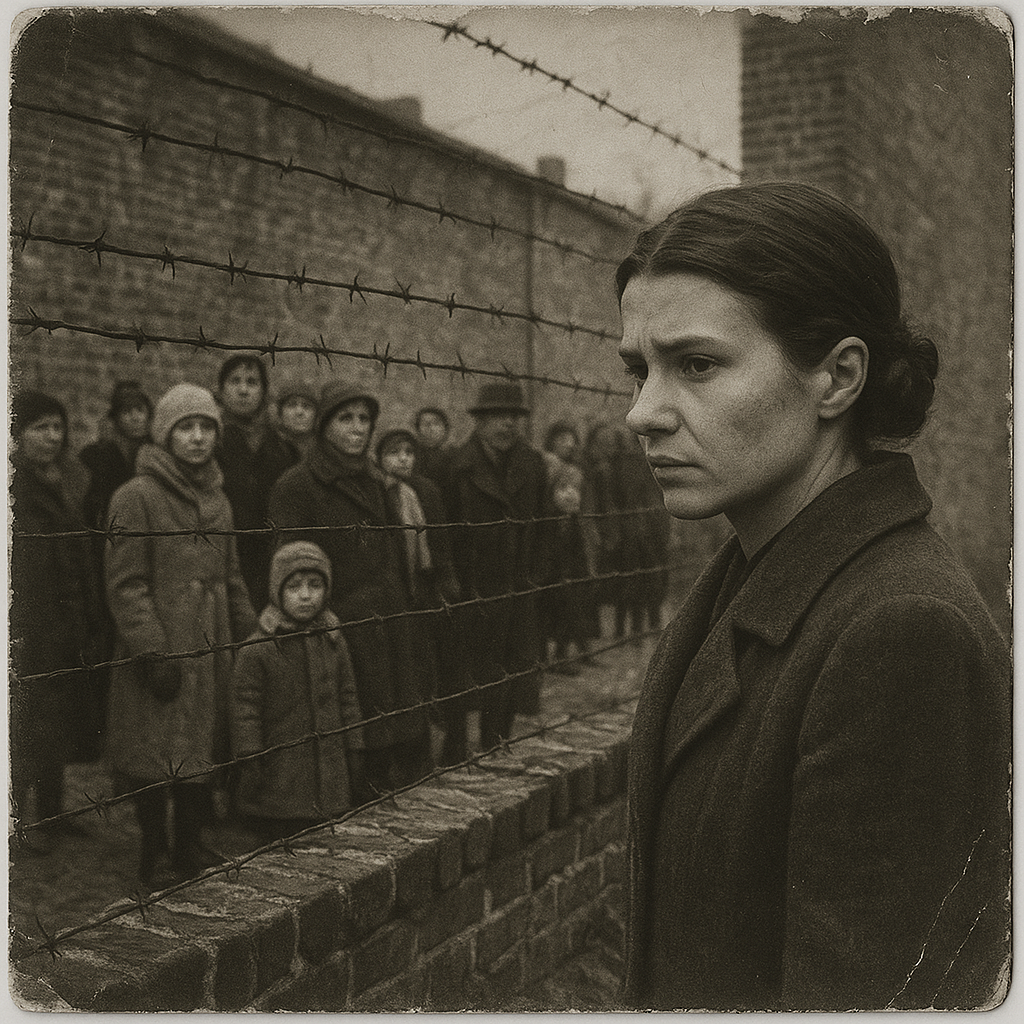
Just three years earlier, Irena had been an ordinary social worker in Warsaw. Her job was to help poor families get food, clothes, and medicine. But in 1940, everything changed. The Nazis forced all Jewish people into a closed area called the Warsaw Ghetto.
When Irena saw the starving children behind the walls, she couldn’t look away. “I can’t just stand here,” she told herself. “I have to do something.”
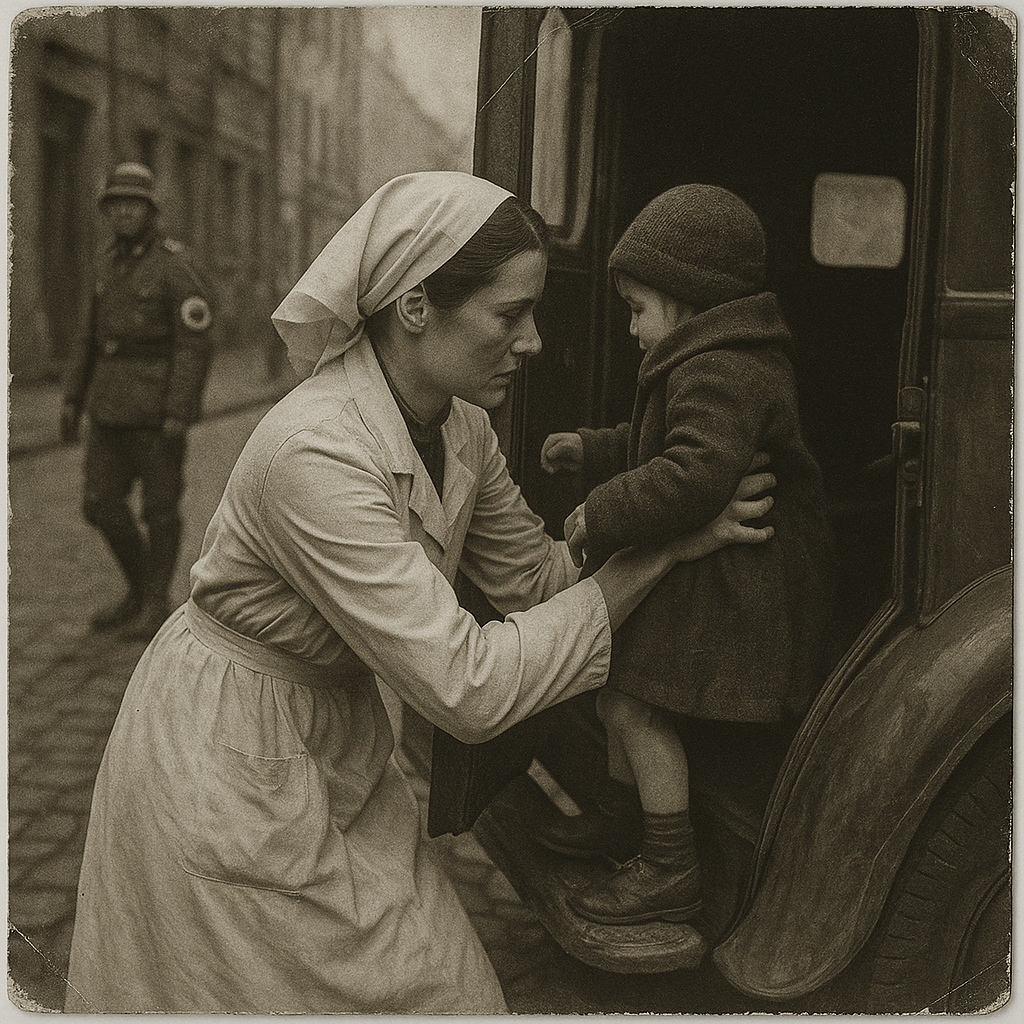
She joined a secret group called Żegota, which helped Jews in hiding. Because of her job, Irena had special permission to enter the ghetto. She used this to smuggle children out, one by one.
Sometimes she carried a baby in a toolbox. Sometimes she hid a child under a blanket in her ambulance. Every time she crossed the gate, her heart beat faster. One mistake could mean death.
When the children reached safety, she gave them new names and new homes with Polish families, or in church homes where nuns could protect them. Then she wrote their real names and hiding places on tiny pieces of paper and placed them carefully inside empty glass milk jars. She sealed each jar and hid it under a tree in a friend’s garden, hoping to reunite the children with their parents after the war.
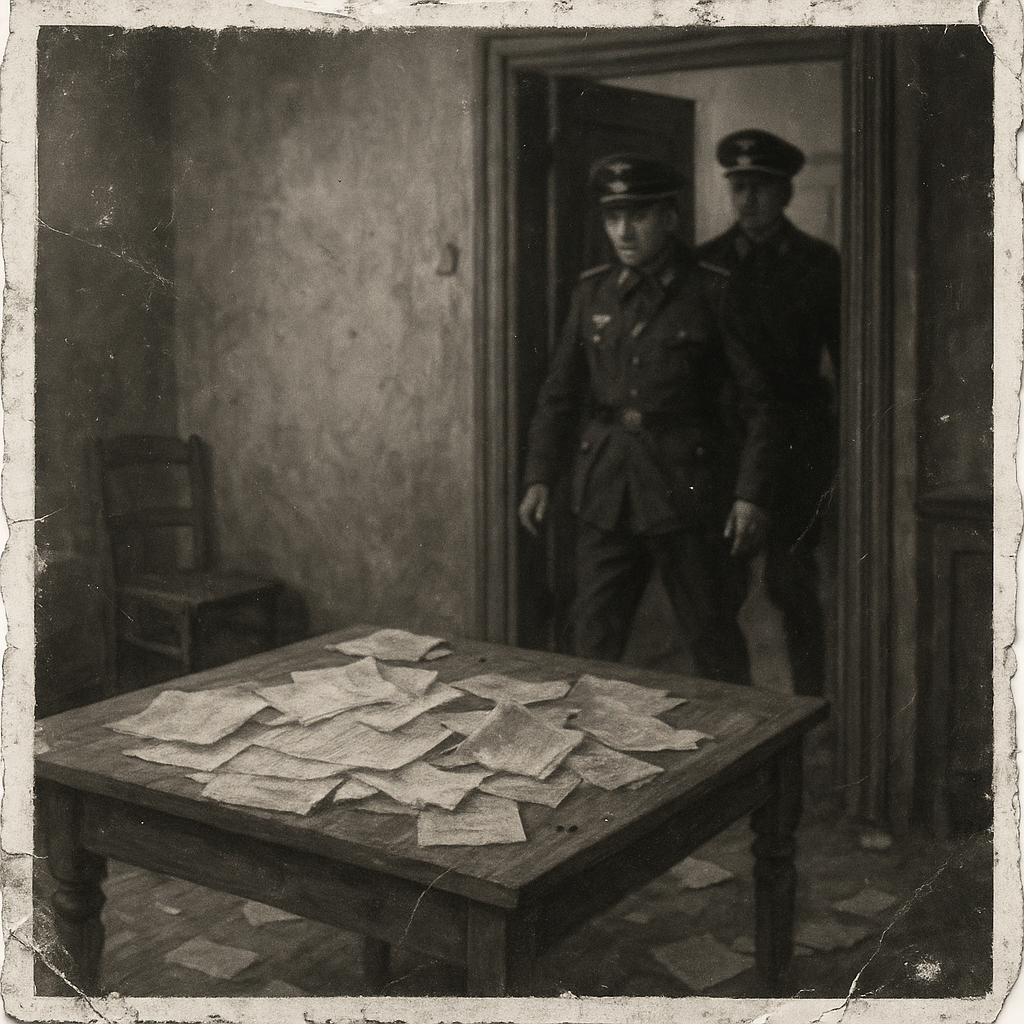
In the autumn of 1943, someone betrayed her. It happened early one morning. Irena was writing new names on her kitchen table when she heard loud knocking on the door—then shouting.
“Open up! Gestapo!”
Before she could hide the papers, German soldiers burst in, their boots hitting the floor like thunder. They threw the papers to the ground and tied her hands behind her back.
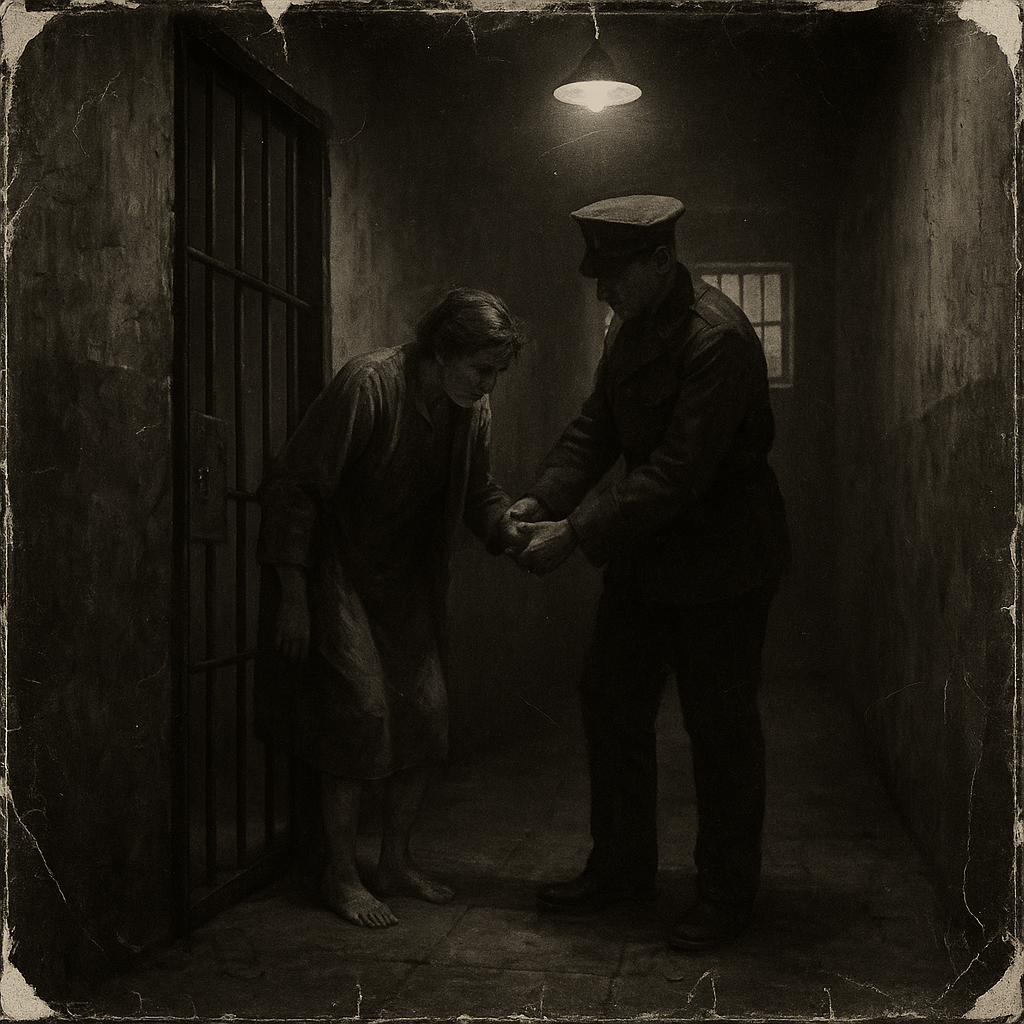
At the prison, the air smelled of blood and fear. The soldiers pushed her into a small, dark cell. For hours they shouted questions. “Who helped you? Where are the children? Where are the lists?”
Irena stayed silent.
Then the beatings began. She was hit again and again until she could no longer stand. One officer broke her leg. Another smashed her hand with his gun. Still, she refused to speak.
“I don’t know anything,” she whispered through broken lips.
After three days, she could barely move. Her clothes were torn, and her body was covered in bruises. The soldiers told her she would be shot the next morning.
That night, as she lay on the cold floor, she thought of the children she had saved—their smiles, their fear, their tiny hands holding hers. “If I die,” she thought, “at least they will live.”
But fate had other plans. Just before dawn, a guard opened her cell and whispered, “Quick. Go.” The Polish resistance had bribed him with money to let her escape. Barefoot and injured, Irena crawled out into the night and disappeared.
The Gestapo announced her execution the next day. But Irena Sendler was alive, hiding under a new name—and she continued her secret work.
When the war finally ended, Irena returned to the garden. Her hands trembled as she dug up the empty milk jars. The paper inside was old and damp, but the names were still readable. Many parents had died in concentration camps, but some families were still alive. She helped reunite as many children as she could.
Years later, when people called her a hero, she shook her head. “I only did what I had to do,” she said quietly.
She often remembered the words her father had told her when she was a child:
“When you see someone drowning, you must try to save them, even if you can’t swim.”
Her father had also taught her something she carried all her life — that people can only be divided into good or bad, and that their race, religion, or nationality doesn’t matter.
Irena Sendler lived by those words. And the world never forgot the woman who had saved 2,500 children and buried their names in empty milk jars beneath a tree.
To do:
Read the text.
Think of three words that describe Irena Sendler (from the text).
Find one quote or line from the story that inspires you.
Think of one short message to the future, inspired by Irena Sendler.
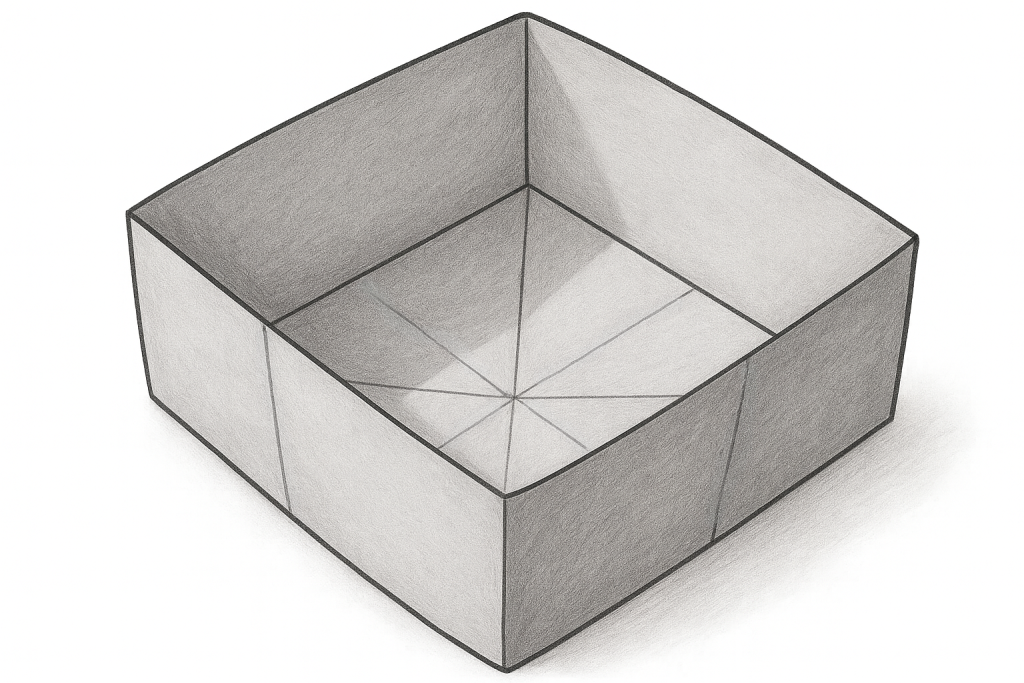
After that follow the instruction in the video below. It will show you how to fold your very own “Box of reflection”.
Copywrite: Crafts And Kutir
Box of reflection
In your box you should write down the following.
On three of the sides on the inside of your box you should write the words that you thought of before (to describe Irena Sendler).
On the forth side, the quote or line that inspires you.
Below the triangles at the bottom of the box, write your short message to the future.