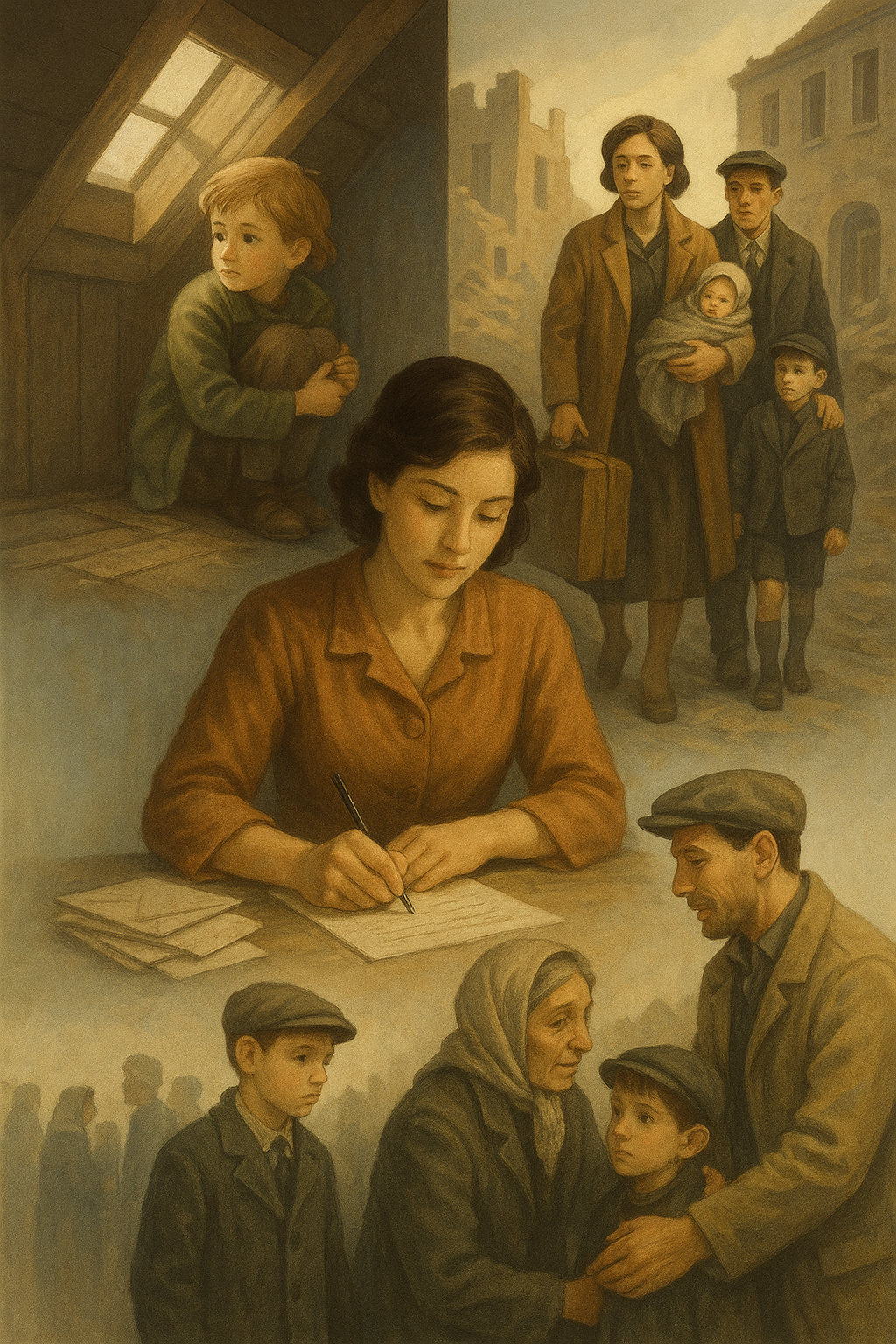
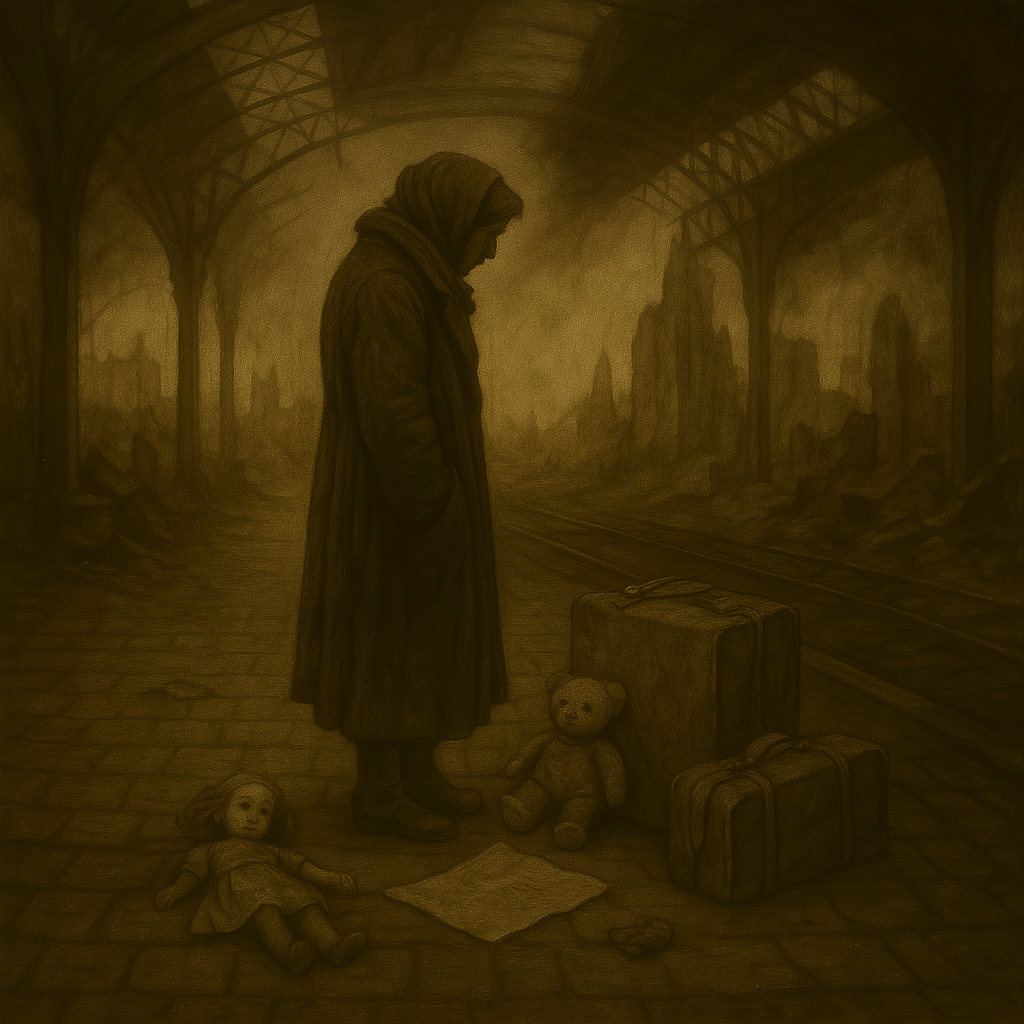
World War II was not only a war fought with weapons and armies — it was a time when millions of ordinary people were affected in extraordinary ways. Behind every headline or historical date, there are personal stories of fear, hope, courage and survival.
In this assignment, you will explore what life was like for people who didn’t fight with guns, but who still experienced the war deeply. You will learn about children forced into hiding, families who lost their homes, and brave individuals who risked everything to help others.
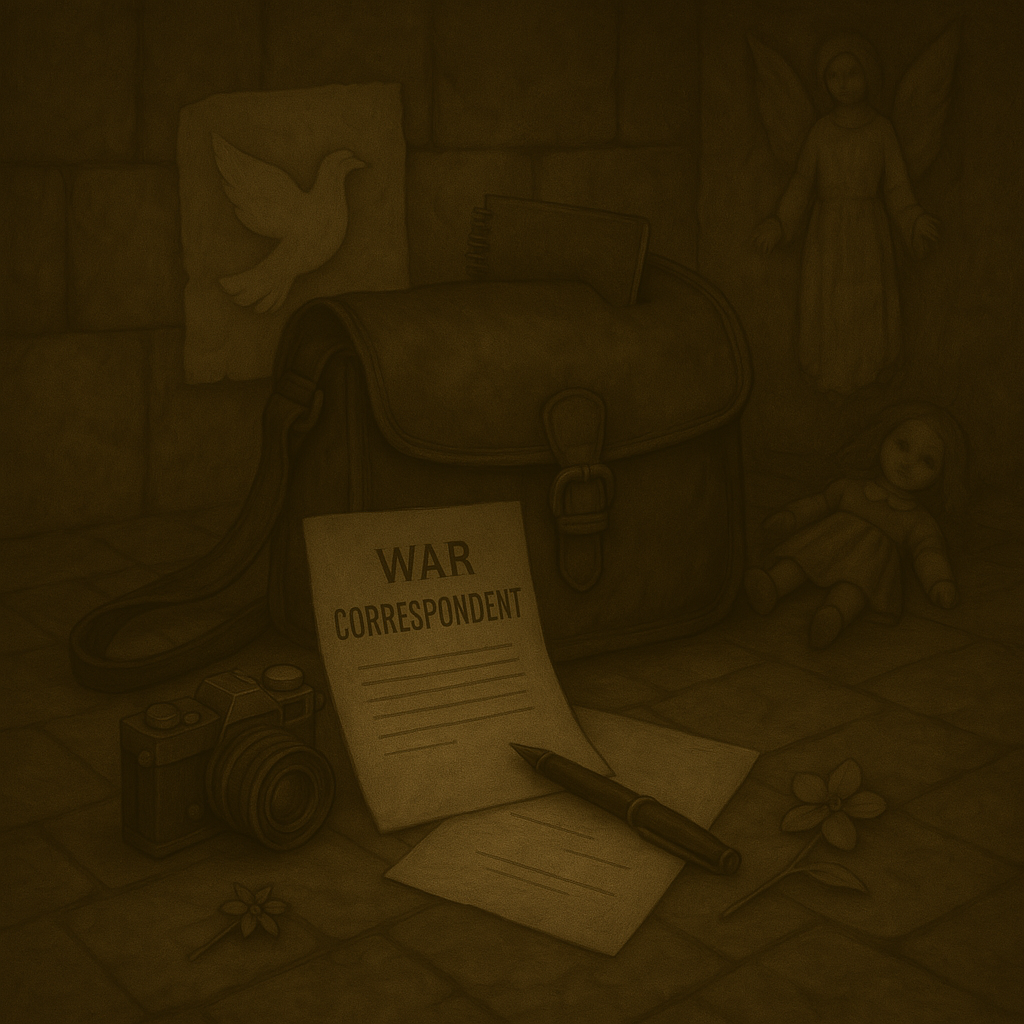
Step by step, you will get to know five people whose stories show different sides of the war. Later in the project, you will take on the role of a war correspondant and write an interview with one of them — bringing their voice to life and telling their story in your own words.
This is a chance to practice your English, deepen your understanding of history, and reflect on what it means to be human in the middle of a global crisis.
In the assignment Survival, you will work with the following:
A famous diary
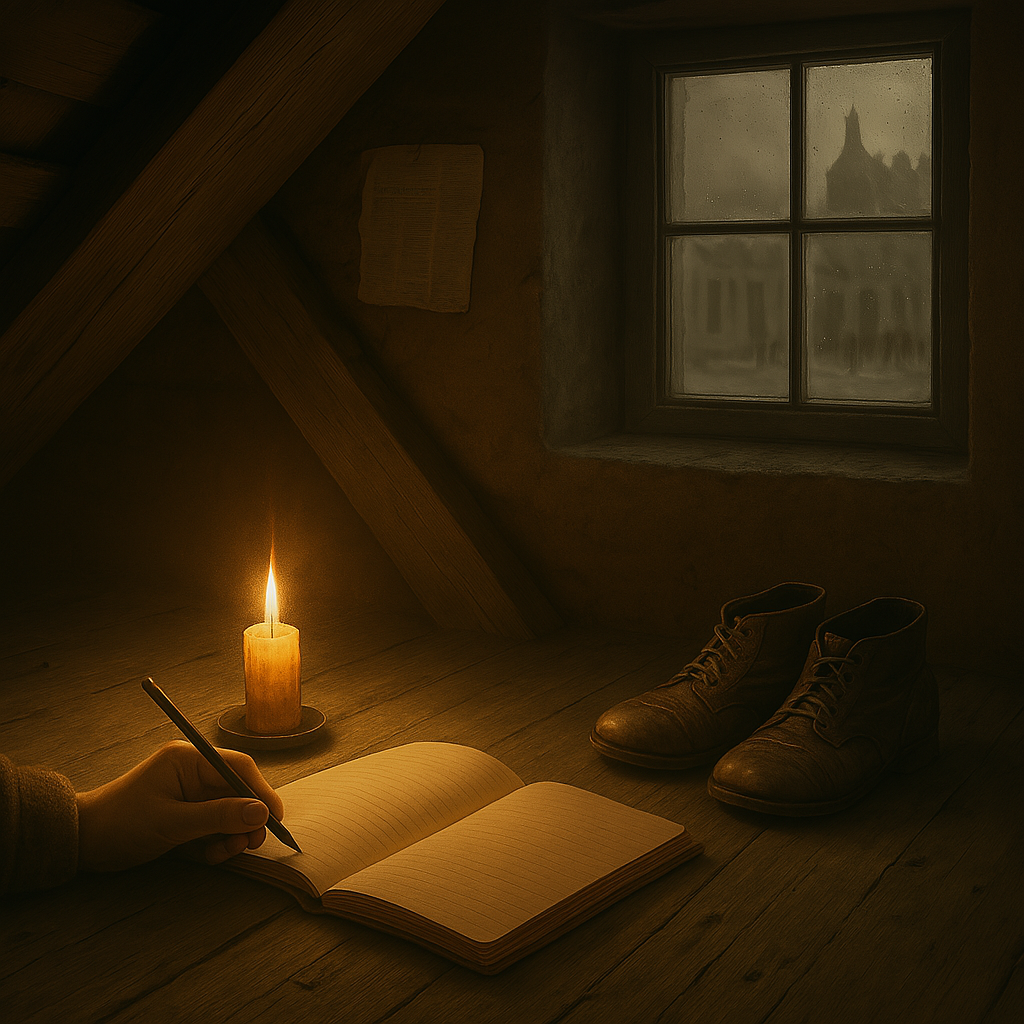
During WWII, millions of people suffered in silence. Anne Frank, a young Jewish girl, told her story through a secret diary while hiding from the Nazis.
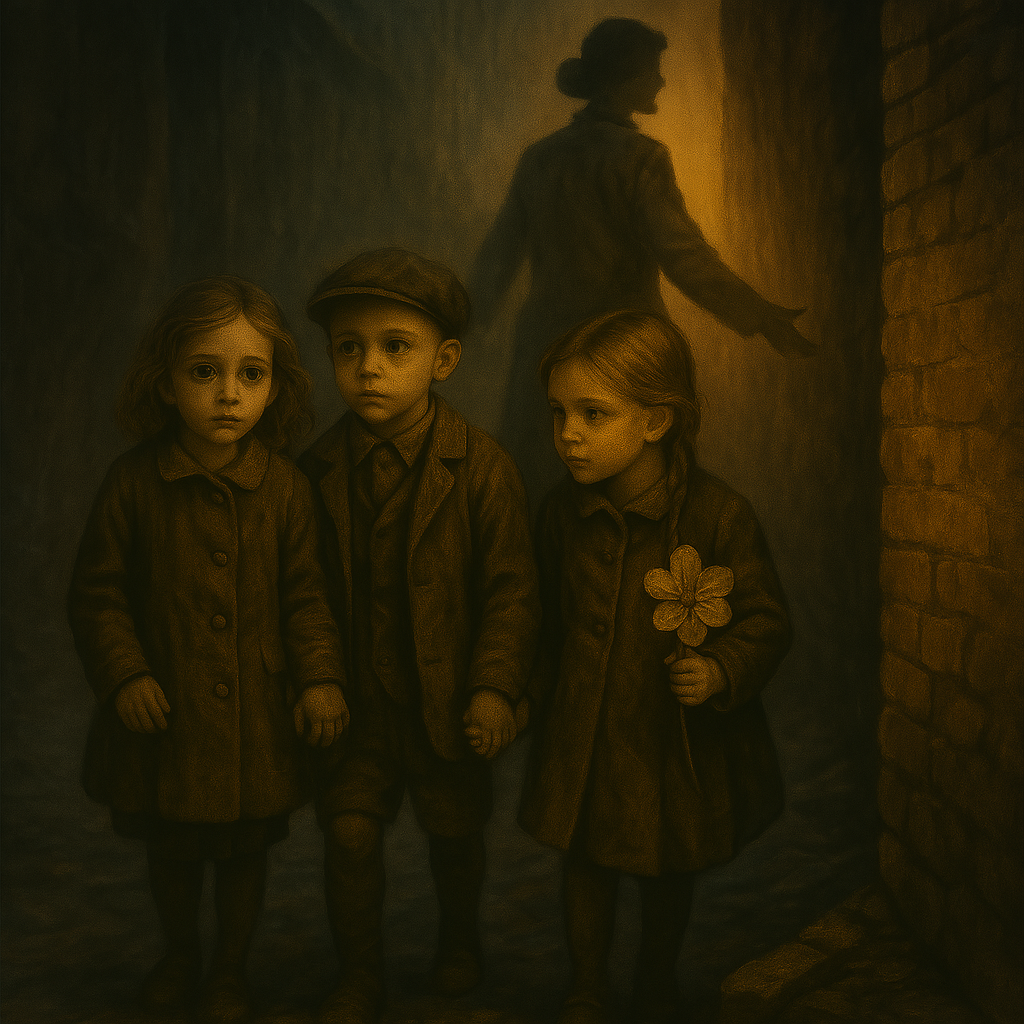
Many children were taken from their homes or forced to hide. Irena Sendler risked her life to smuggle over 2,500 Jewish children out of the Warsaw Ghetto to safety.
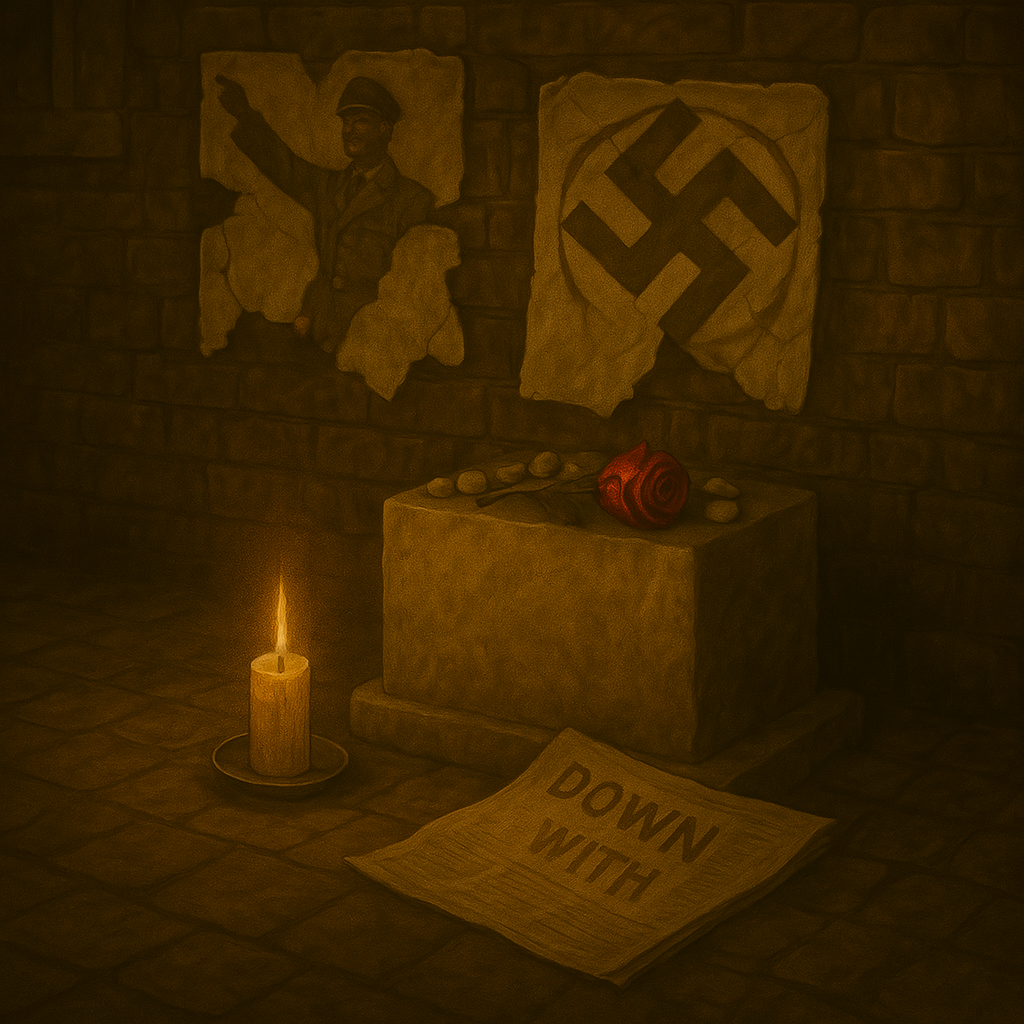
The Nazis used posters, film, and news to spread lies and hate. Oskar Schindler, a German factory owner, resisted by secretly saving Jews under the cover of business.