In this part of the project, you will learn about old and modern health commercials and products. You will read short texts, look at advertisements and videos, and answer questions about them. Some of the products are funny or strange, like the vibrating belt or the Hawaii Chair, and some are more modern, like detox tea or waist trainers.
After you read and watch, you will also think about yourself. Which of these products could you see yourself trying, and why? Would it be because it looks easy, fun, or interesting? Or maybe you would not try any of them.
1950s – 1960s
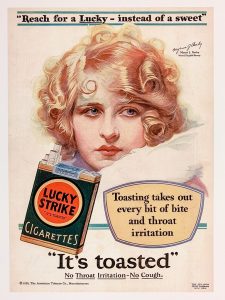
In the 1950s and 1960s, people could see many strange health ads. One very popular product was the vibrating “fat-jiggling” belt. In commercials, men and women stood with a wide belt around their stomach, and the machine shook the fat away. The ads promised that people could get slim without working hard. Smoking was also advertised as a way to stay slim, with slogans like “Reach for a Lucky instead of a Sweet.” These messages made people believe they were making healthy choices, even when they were not.
1970s – 1980s
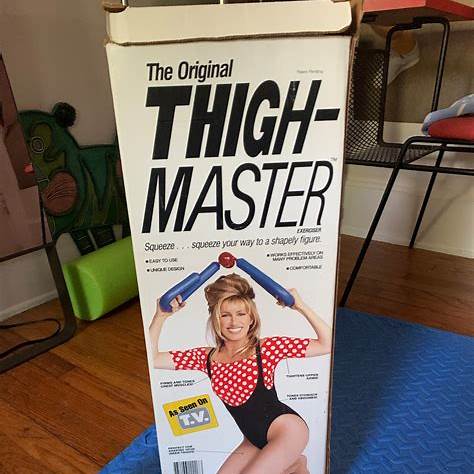
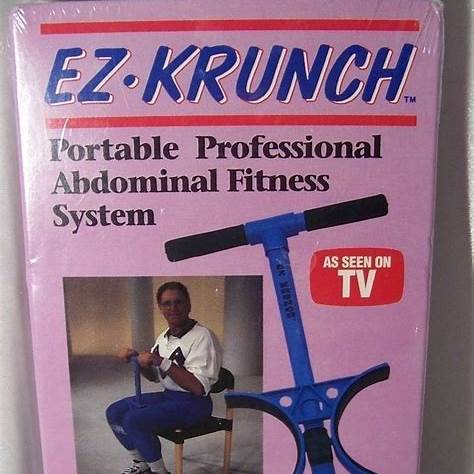
In the 1970s and 1980s, advertising continued to mix fun and health in unusual ways. McDonald’s even made a poster that said their meals were “more nutritious than the average dinner.” At the same time, new exercise gadgets were everywhere. The ThighMaster, sold with the line “Do it while you watch TV!”, promised women perfect legs. The EZ-Krunch, an early ab device, was advertised as a way to get stronger stomach muscles with less effort. These ads often told people they could get fit quickly and easily, without too much work.
1990s – 2000s
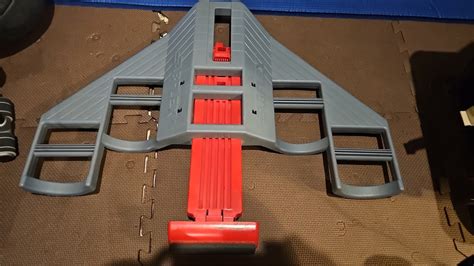
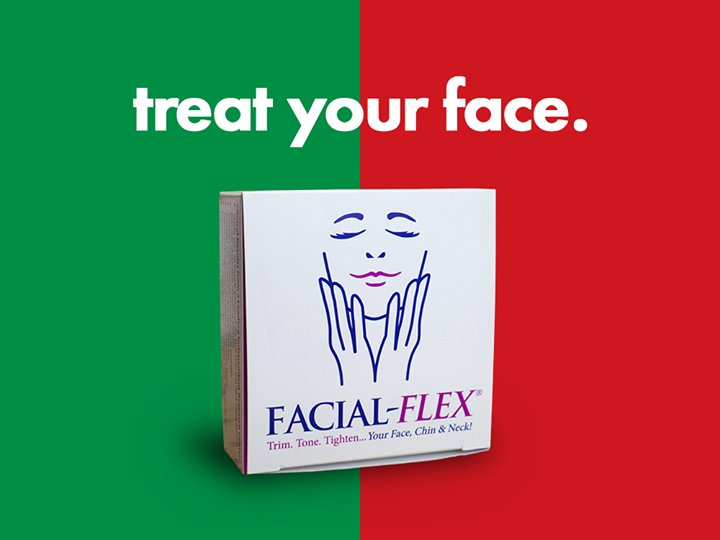
The 1990s and 2000s brought even more health gadgets through TV commercials and infomercials. The Abdominizer and Ab Roller were shown as easy ways to get six-pack abs. Ads said things like “Don’t waste your time with sit-ups!” Another gadget was the Ab-Flex, which people pushed into their stomachs to flatten their abs. At the same time, the Facial-Flex became popular. It was a small tool to exercise the face and neck and was sold with the slogan “Turn back time naturally.” These products all promised fast and simple results, but most of them did very little.
2000s – 2010s
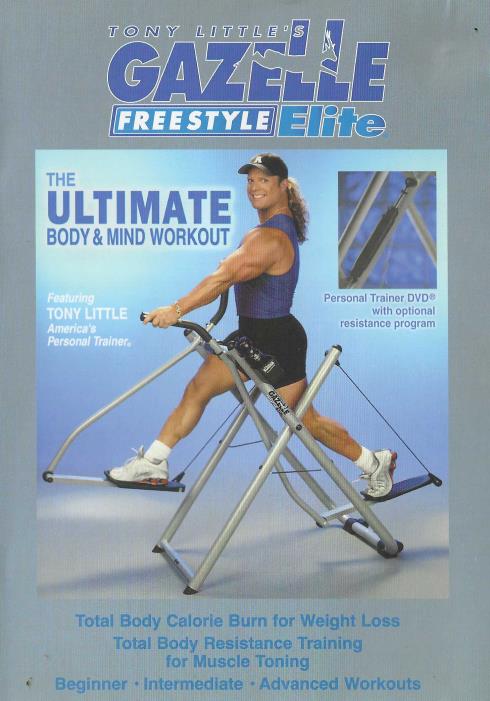
In the 2000s and 2010s, commercials often showed products that looked modern and easy to use. The Abtronix belt gave small electric shocks and promised abs with “No sweat. No effort. Just results.” The Gazelle Freestyle, sold by Tony Little on TV, said exercise could be “fun and easy.” Another funny invention was the Hawaii Chair, which moved your hips while you sat at a desk. Its slogan was “If you can sit, you can get fit!” These ads made exercise look simple and entertaining, even if the results were not real.
TODAY
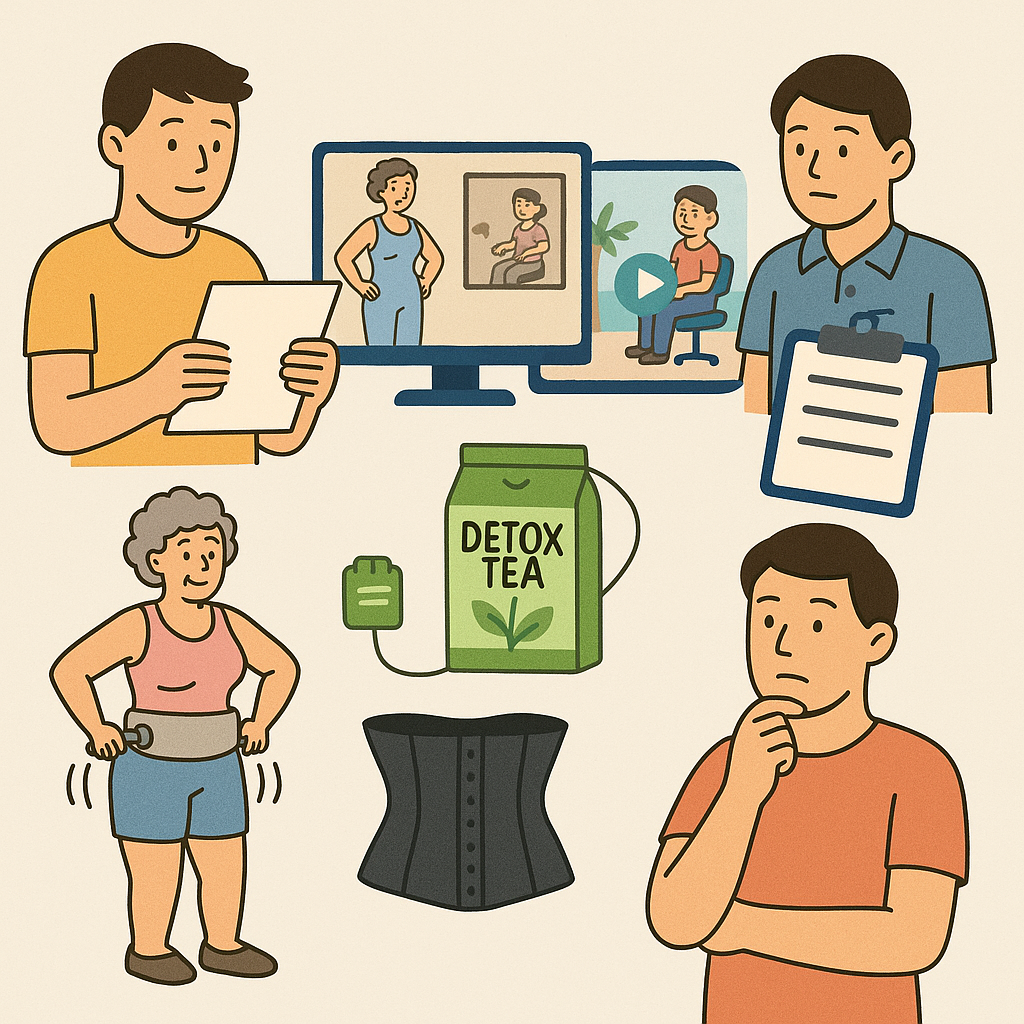
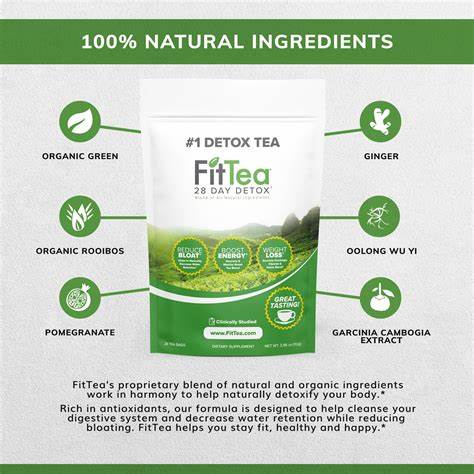
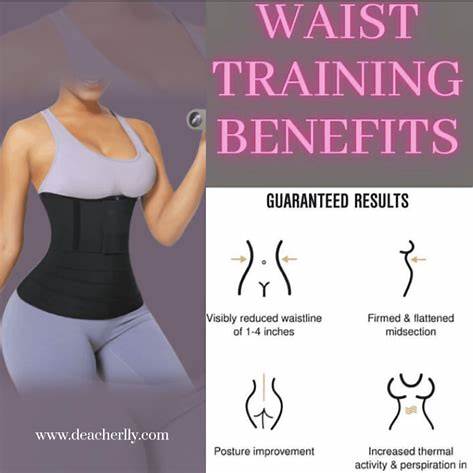
Today, advertising has moved from TV to social media. Influencers often promote products as part of a “healthy lifestyle.” Fit Tea and other detox teas are sold with messages like “A natural way to slim down,” even though they mostly work like laxatives. The Waist Trainer, made popular by the Kardashians, uses slogans like “Train your waist, change your body.” Many influencers also advertise protein powders, shakes, and gym clothes, saying things such as “This is what I use to stay fit – you can too!” Just like in the past, the ads promise health and beauty, often in unrealistic ways.
four different commercials
questions to answer
What did the vibrating “fat-jiggling” belt promise to do?
Why did Lucky Strike say smoking was healthy?
What did McDonald’s say about their food in the 1980s?
How did the ThighMaster promise to help women?
What did the Abdominizer and Ab Roller say they could do?
How was the Ab-Flex supposed to work?
What part of the body was the Facial-Flex made for?
What did the Abtronix belt promise to do while you were relaxing?
How did Tony Little describe the Gazelle Freestyle?
What was funny about the Hawaii Chair?
What do ads for Fit Tea and detox teas say they can do?
Who made waist trainers very popular?
Would you ever buy something from an influencer? Why or why not?
Would you have trusted any of these products? Why/why not?
Which of these products do you think looks the most strange?
Do you think any these products really worked? Why/why not?
Done? Choose one and look up more information about it. Reviews, items/products sold and so on.