
HISTORICAL PERSPECTIVE ON HEALTH
Fatness = Wealth (Past Ideals)
A long time ago, people had very different ideas about body size compared to today. In many cultures, being fat was seen as a sign of wealth, power, and success. If a person was fat, it showed that they had enough money to buy food and that they did not have to do heavy work. Poor people were often thin because they did not always have enough to eat.
In paintings and old pictures, we can often see kings, queens, and rich people with large bodies. Their size was almost like a symbol of their position in society. To be slim or thin was not something that people admired, because it usually meant you were poor or weak.

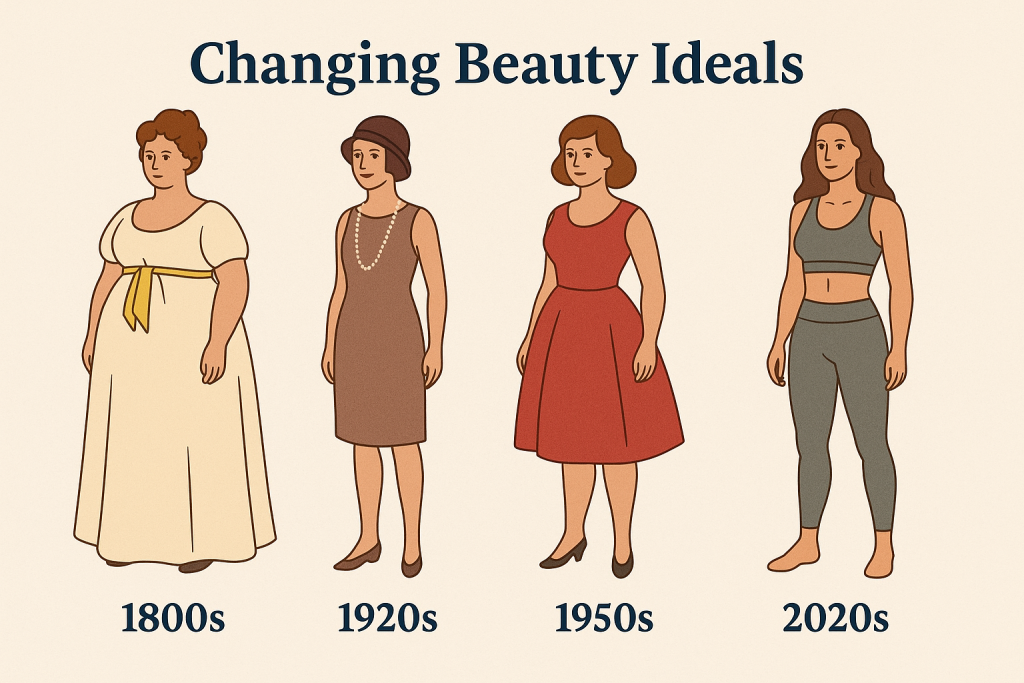
Today, society usually tells us that being slim is healthier and more beautiful. Many magazines, advertisements, and influencers show slim bodies as the ideal. This shows that ideas about health and beauty can change a lot over time. What people believed in the past is very different from what many believe today, and the future may look different again.
Smoking as “Healthy”
In the 1940s and 1950s, smoking cigarettes was very common in many countries. At this time, people did not think smoking was dangerous. In fact, many people believed that smoking was safe, or even healthy. Cigarette companies made advertisements that showed doctors recommending cigarettes. Some ads said that smoking could help people relax, improve digestion, and even keep them slim.
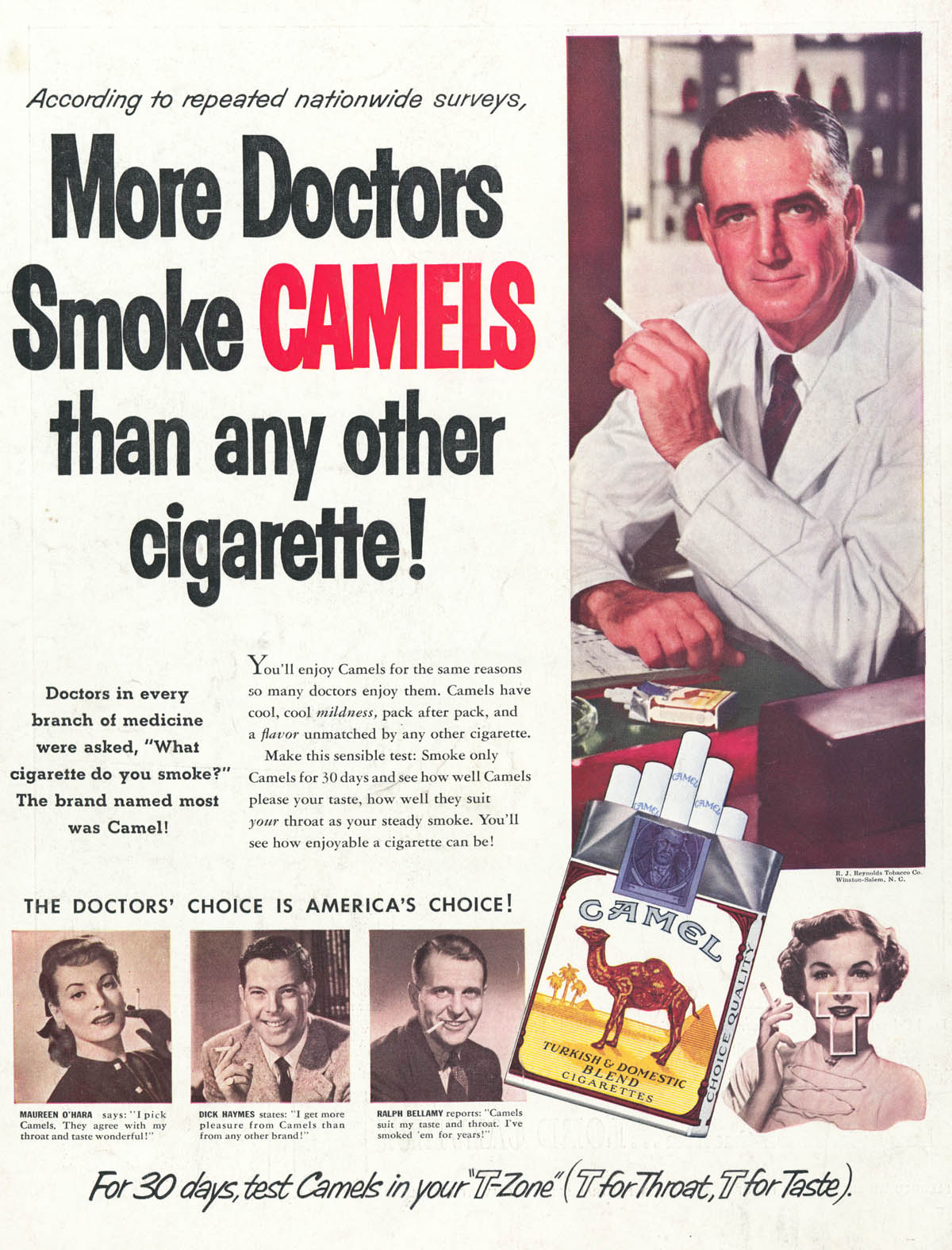
Because of this, millions of people smoked every day. It was seen as stylish and modern. In films, many actors and actresses smoked, which made it look attractive. Young people often wanted to copy this behavior. Few people questioned if it was dangerous, because doctors and companies said it was fine.
Today, we know that smoking is one of the most dangerous habits for your health. It can cause cancer, lung disease, and heart problems. Now, cigarette packets carry strong warnings, and smoking is banned in many public places. This example shows how society’s idea of health can change completely. What was once advertised as “healthy” is now understood as very unhealthy. It also shows how powerful advertisements and companies can be in shaping what people believe.
Fast Food as Nutritious
When fast food restaurants became popular in the 1970s and 1980s, they tried to present their food as nutritious and safe. At this time, many families started to eat at places like McDonald’s and Burger King. Advertisements showed smiling children and happy parents enjoying burgers and fries together. McDonald’s even ran ads saying that a meal with a burger, fries, and a drink was “more nutritious than the average dinner.”
For many people, this message was easy to believe. Fast food was cheap, quick, and tasty. Parents thought it was a good choice because it was filling and convenient. Some people even believed it was part of a healthy diet.
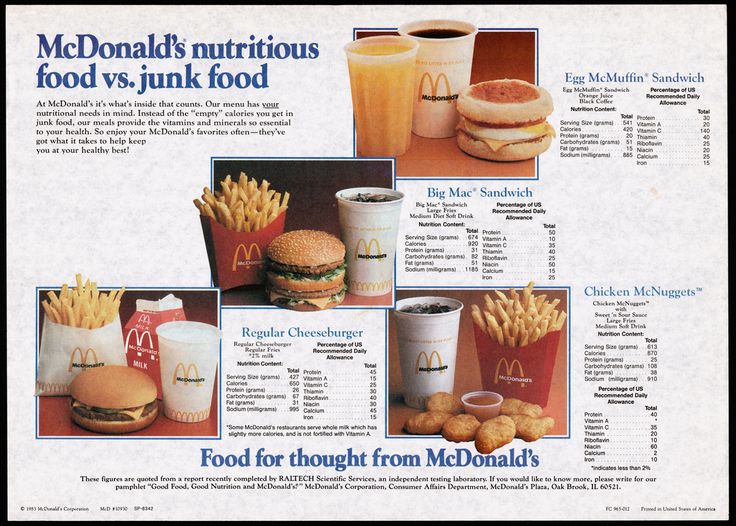
Today, most of us understand that fast food is high in fat, sugar, and salt. Eating it too often can cause health problems like obesity, diabetes, and heart disease. Still, fast food companies continue to advertise their products in positive ways. Now they often use words like “fresh,” “natural,” or “healthy option” to make people feel better about eating it.
This shows that advertising can change the way people see food. Something unhealthy can be sold as healthy, and many people will believe it.
questions to answer
A long time ago, what did being fat mean in many cultures?
Why were poor people often thin in the past?
How were kings and queens usually shown in old paintings?
What body type is often shown as the “ideal” in magazines today?
In the 1940s and 1950s, what did many people believe about smoking?
Who sometimes recommended cigarettes in advertisements?
Why did young people want to start smoking in that time?
What do we know about smoking today? Mention two dangers.
In the 1970s and 1980s, what did fast food restaurants try to show in their ads?
What did McDonald’s say about their meals in advertisements?
Why did parents often believe fast food was a good choice?
What health problems can eating too much fast food cause?
Search and find
Find a commercial (video or picture) on the Internet where a company is advertising something unhealthy as if it were healthy.
Answer these questions about the commercial you find:
What product is it?
How is the product shown as “healthy”? (What words, pictures, or people do they use?)
Why do you think the product is actually unhealthy?
Do you think the advertisement could make people believe it is healthy? Why or why not?