
Poon Lim
In November 1942, during the Second World War, Poon Lim, a 25-year-old Chinese sailor, was working on a British ship called the SS Benlomond. The ship was travelling from South Africa to Suriname in South America and carried important supplies. At this time, travelling across the Atlantic Ocean was very dangerous. German submarines, called U-boats, hunted ships and often sank them. They wanted to stop goods and food from reaching Britain and its allies.
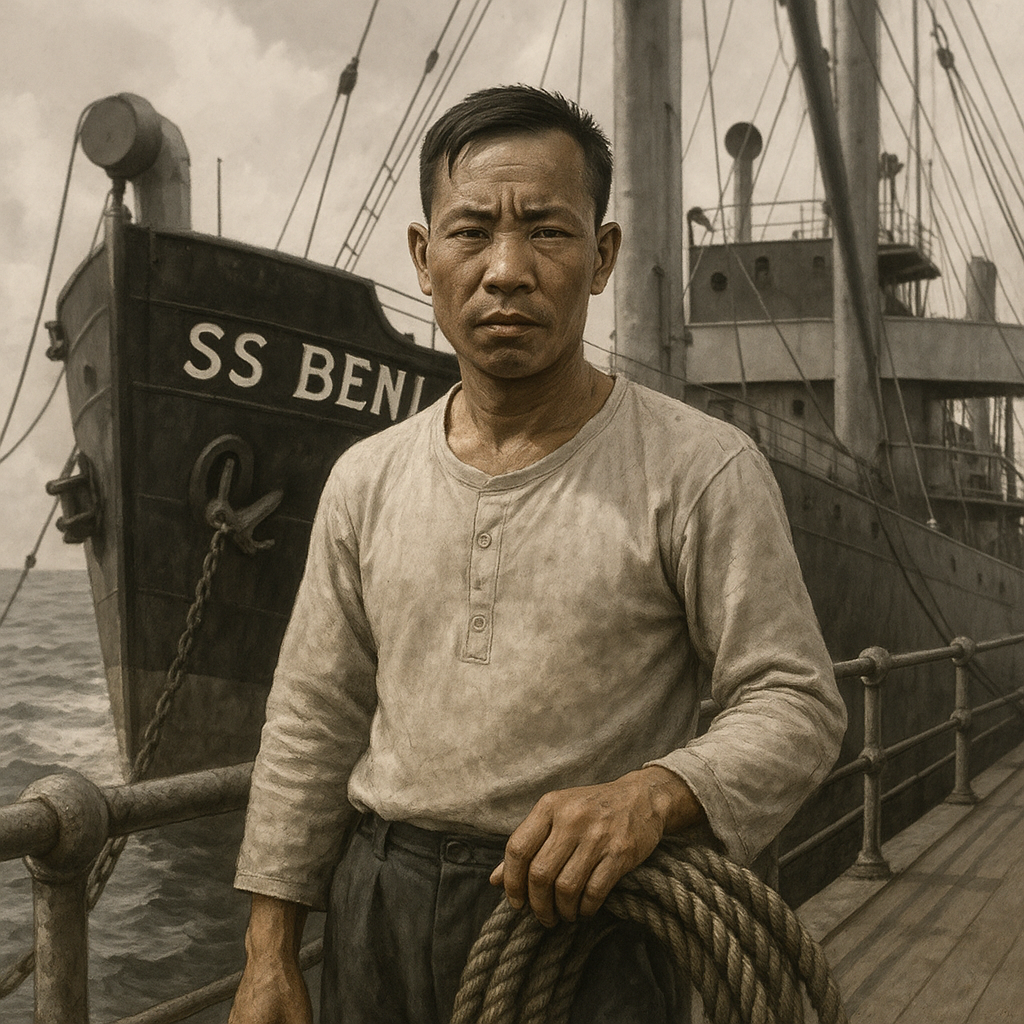
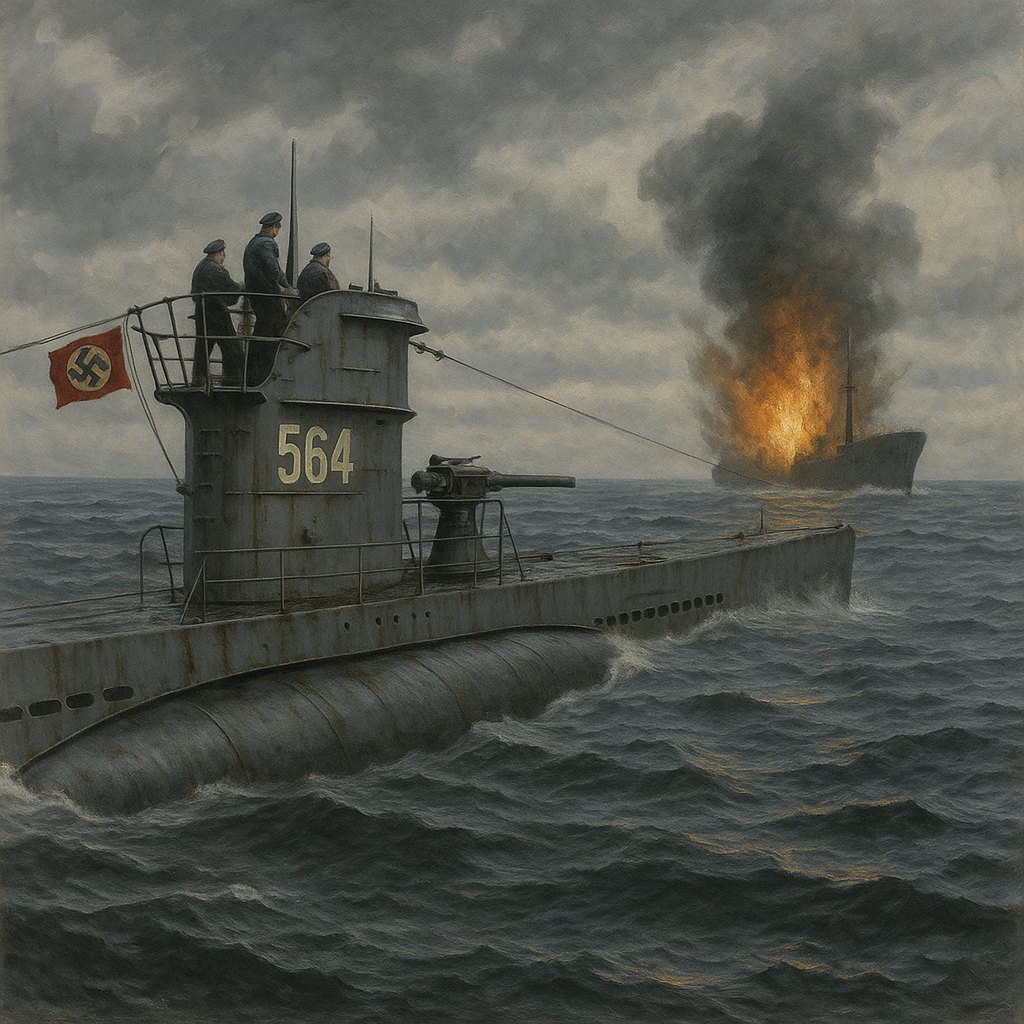
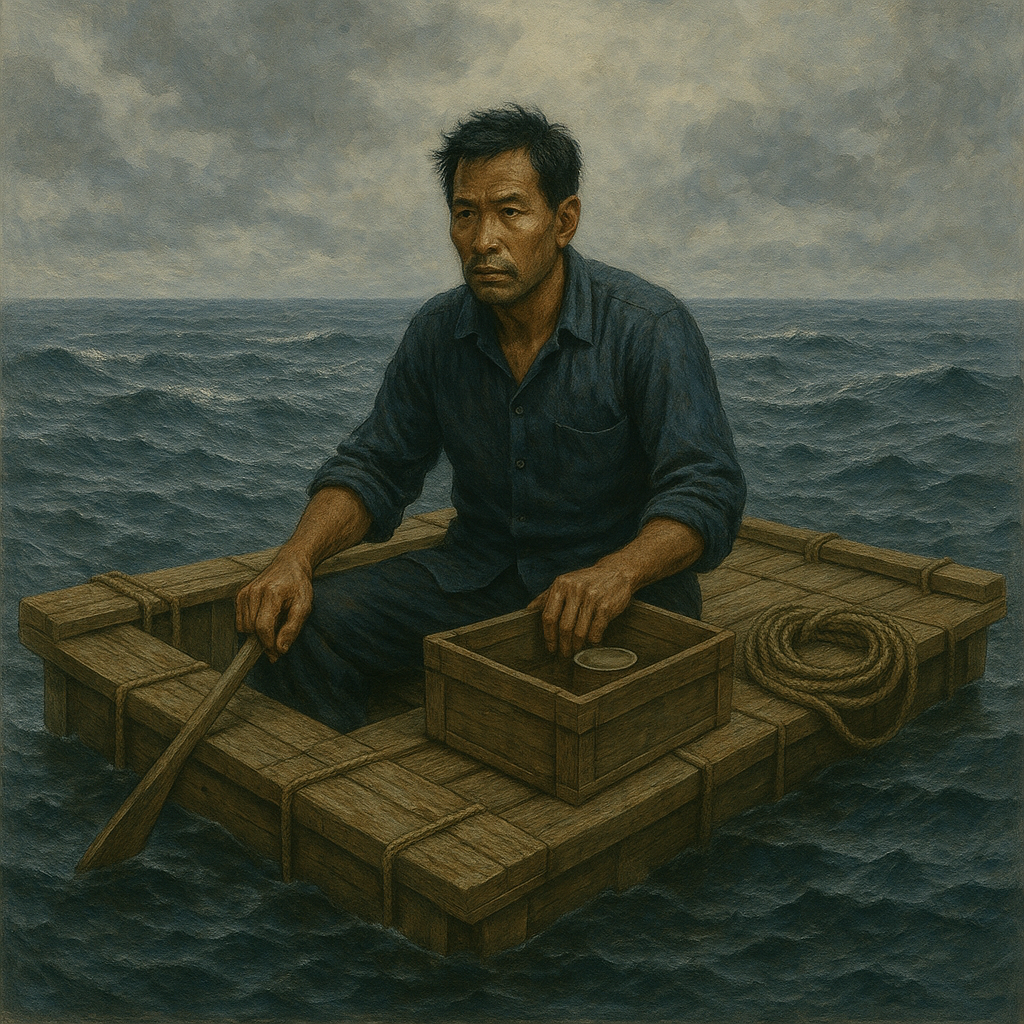
One day, the Benlomond was spotted by a German U-boat. The submarine fired torpedoes, and they hit the ship with great force. The explosion was huge, and in only a few minutes, the ship began to sink. Most of the crew died in the cold water, but Poon Lim managed to grab a life jacket and jump overboard. After swimming for a while, he found a small wooden raft, about two meters wide. To his relief, there were some supplies on it: tins of water, a few pieces of food, a little chocolate, a fishing line with hooks, and a torch.
At first, Poon Lim believed that a passing ship would see him and rescue him soon. But days passed, then weeks, and no one came. One reason could have been a rumour that spread among sailors at the time. People said that German submarines sometimes used decoys—fake survivors on rafts. When a ship came close to help, the U-boat would attack. Whether this was true or not, it made captains afraid to stop, and maybe this is why no one came to rescue Poon Lim.
He soon understood that he had to depend on his own strength and cleverness. He rationed the food and water very carefully, eating only a little each day. When his water ran out, he used a piece of canvas from the raft to collect rainwater. When his food got low, he began fishing with the line and hook. He caught fish and sometimes ate them raw. Seabirds often landed on the raft, and he caught them too, using their meat for food and their blood for drink when water was not available. Once, while fishing, a shark attacked him. The shark circled the raft and came very close, but Poon Lim fought it with a knife and managed to survive the attack.
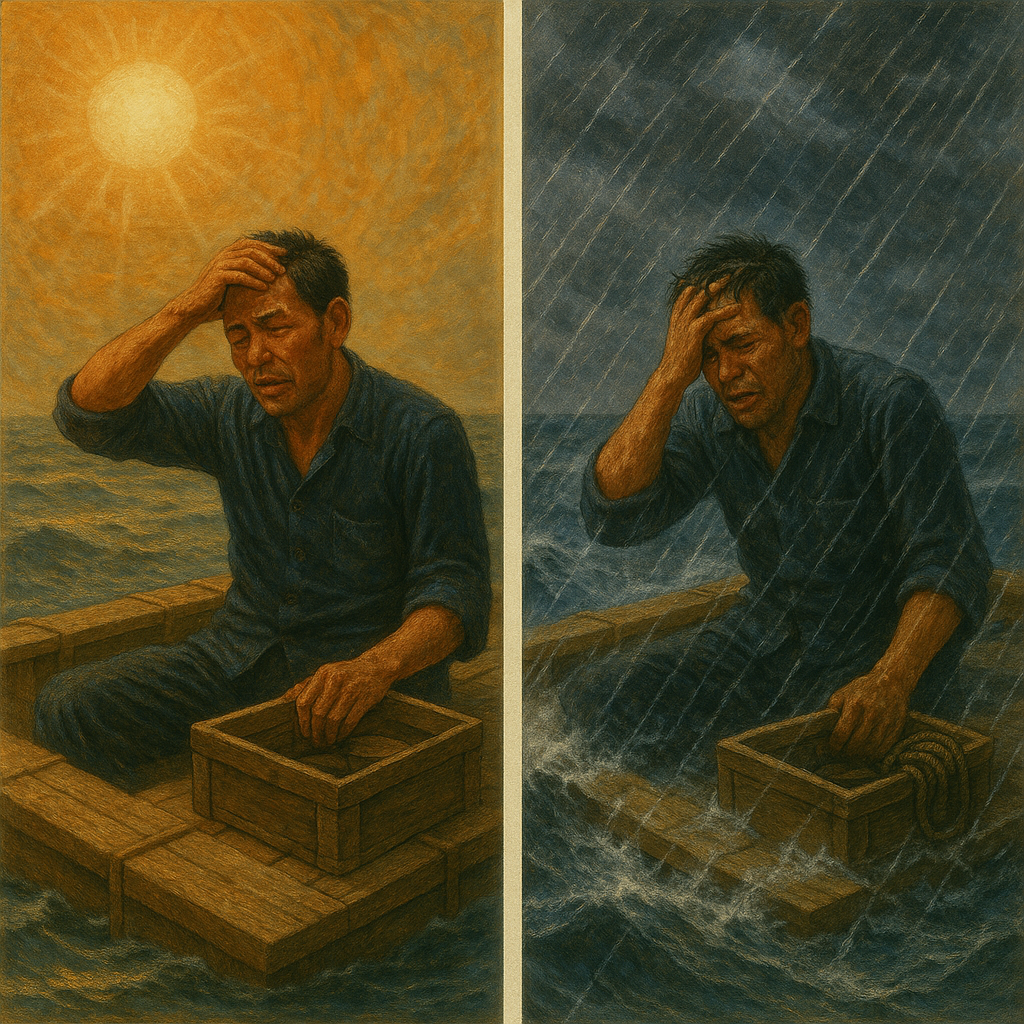
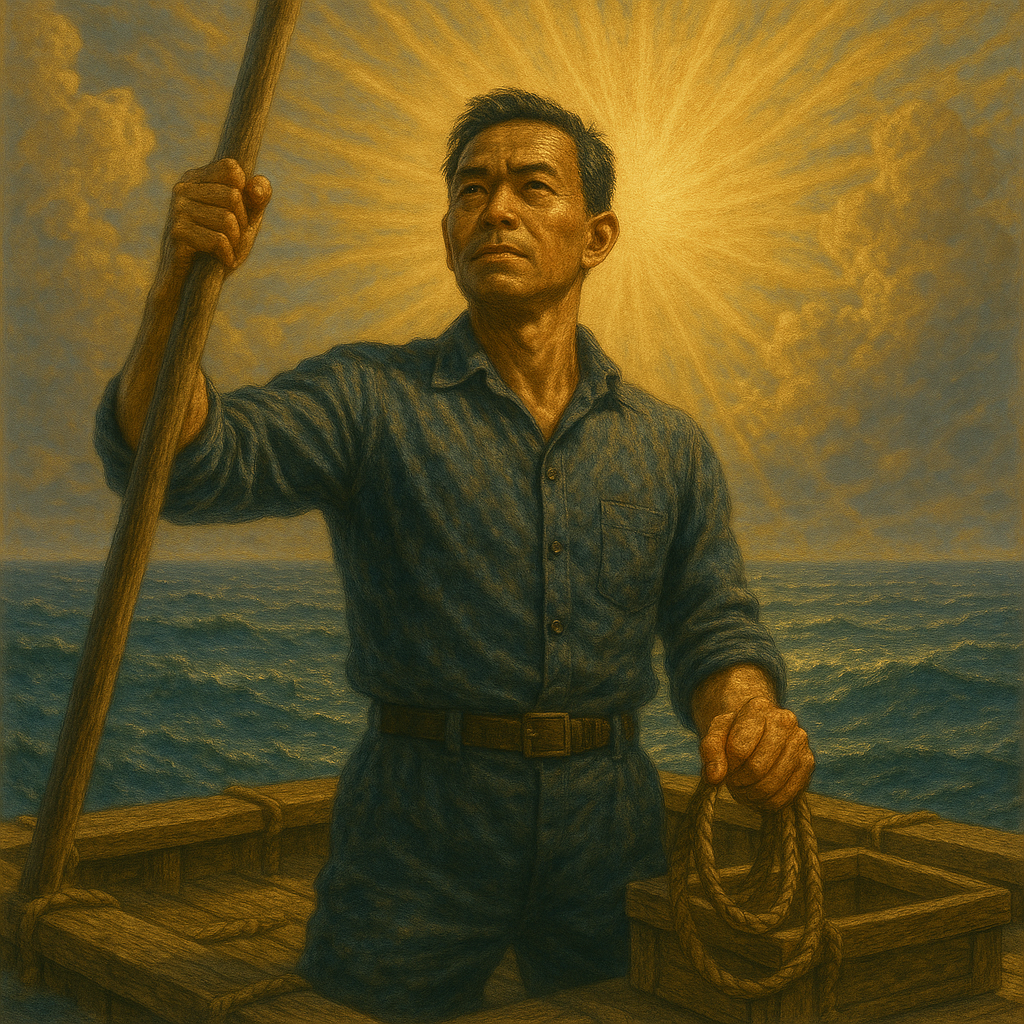
Every day brought new difficulties. The burning sun hurt his skin during the daytime, and the cold winds froze him at night. Strong storms shook the raft and nearly sank it several times. Worst of all was the loneliness, as he had no one to talk to and no way of knowing if he would ever see land again. To keep track of time and to stay hopeful, he tied a knot in a rope for each passing day.
Poon Lim’s struggle lasted much longer than anyone could imagine. After 133 days—more than four months—he finally saw land in the distance. His raft had drifted thousands of kilometres across the Atlantic Ocean until it reached the coast of Brazil. Local fishermen spotted him, rescued him, and brought him to shore. He was weak, thin, and had lost a lot of weight, but he had survived.
After the war, Poon Lim moved to the United States, where he lived until 1991. His survival is remembered as one of the longest and most extraordinary in history. His experience also helped others: both the British and American navies studied his story and used it to create a handbook for sailors on how to survive at sea. Thanks to his courage, clever thinking, and determination, not only did he save his own life, but he also helped many others who faced danger on the ocean.
Questions to answer in your document
Who was Poon Lim, and what ship was he working on in 1942?
Why was travelling across the Atlantic Ocean dangerous during the Second World War?
What happened to the SS Benlomond?
How did Poon Lim manage to survive after the ship sank? Mention at least two things he found on the raft.
Why might some ships have avoided rescuing him, even if they saw him?
What did Poon Lim do when his food and water started to run out?
Describe the shark incident. What happened, and how did Poon Lim react?
What problems did he face while living on the raft? Name at least three.
How did Poon Lim keep track of the days?
After how many days at sea did he finally reach land, and where was he rescued?
What happened to him after the war?
How did his survival story help the British and American navies?
In your opinion, what was the most important quality that helped Poon Lim survive: courage, clever thinking, or determination? Explain your answer in a full sentence.