
BUILD-UP TO WRITING
introduction
Survival stories are about ordinary people in extraordinary situations. A character is cut off from safety and must fight against nature, fear, and their own limits. To make these stories exciting, you need more than just danger — you also need realism, strong details, and a character that readers care about.
This guide will help you plan and write your own survival story step by step. From the dramatic beginning, to the daily struggles, to the final ending, each point shows what to think about and how to make your story feel real.
➡️ During one lesson, we will focus on Point 2 (Be Correct), Point 3 (Research the Basics), and Point 4 (The Four Essentials). In that lesson, you will write and hand in your research. You will then get it back in every lesson where you work on your story, so you can use your notes while writing.
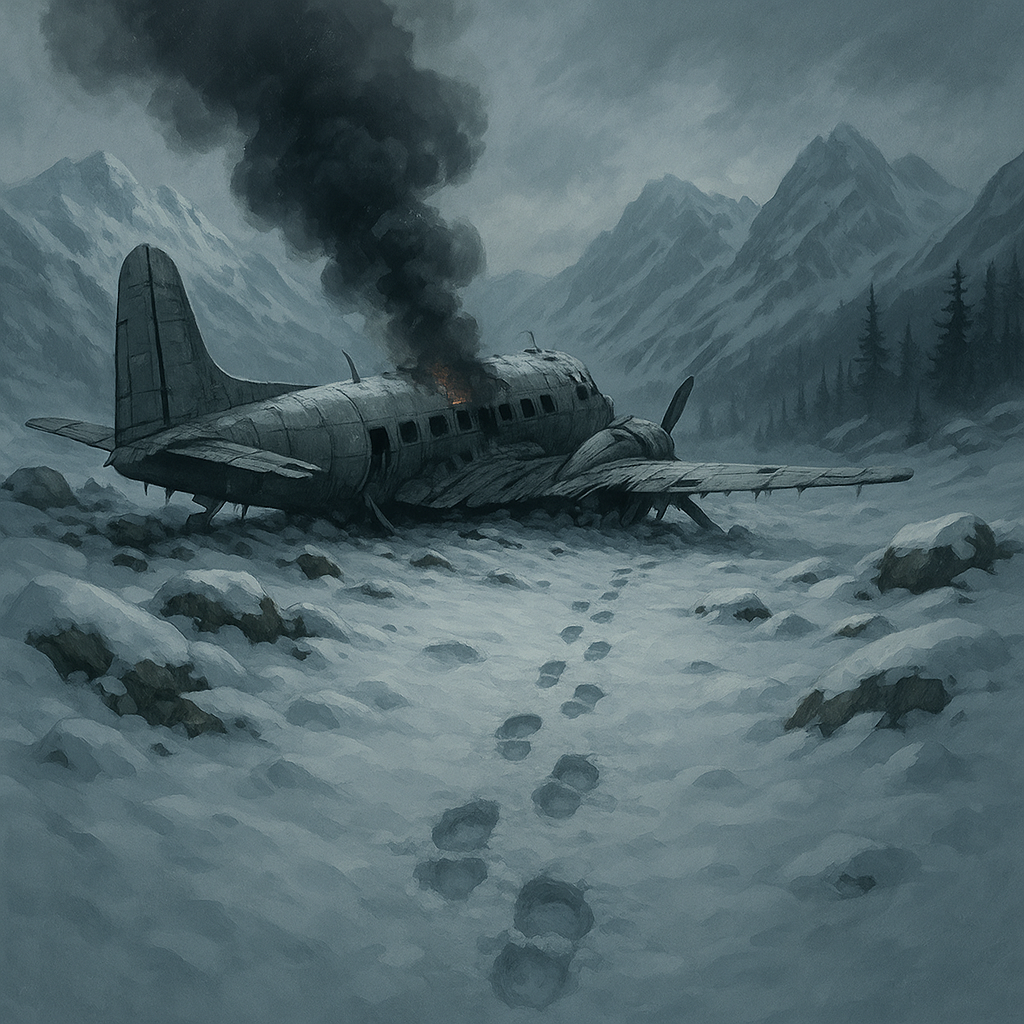
1. Start with the Survival Situation
Plan how the survivor ended up alone.
Begin your story with this dramatic event.
- Example: A plane crash in the mountains.
- Example: Falling overboard from a boat in a storm.
- Example: A car sliding off a lonely road in winter.
- Example: A snowmobile accident far from help.
2. Be Correct
Readers notice mistakes.
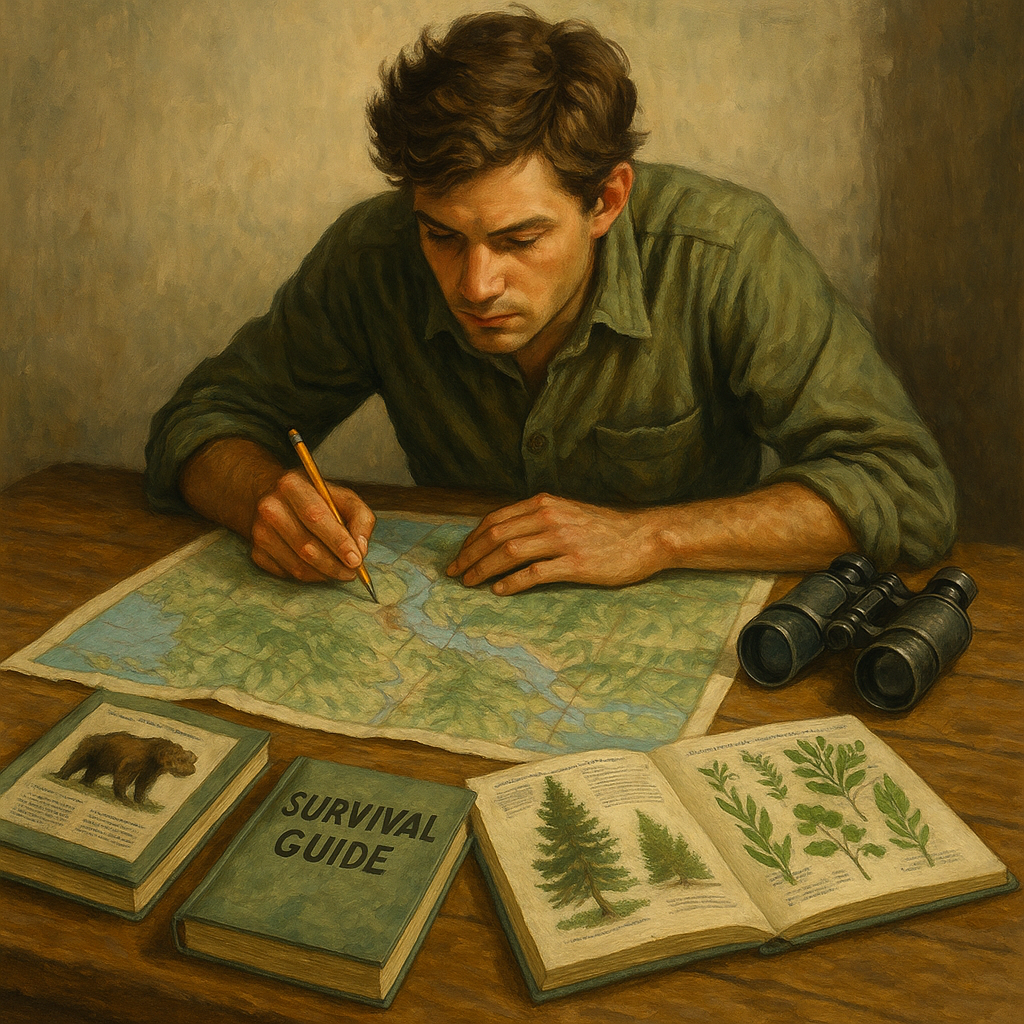
Do some research so your story feels real.
Example: Don’t write that someone can drink seawater safely or walk for days in the desert without water.
Things you can look up:
- How long can a person live without food, water, or shelter?
- How can you make fire without matches?
- What happens if you drink seawater?
- How do people find water in different environments (desert, jungle, arctic, mountains)?
- What animals or plants are dangerous in your chosen setting?
3. Research the Basics
Learn about the place: animals, plants, weather, food, water.
Example: In the desert → snakes, scorpions, little water.
Example: In the jungle → poisonous frogs, crocodiles, heavy rain, many plants (some edible, some deadly).
Example: In the mountains → bears, eagles, snow, freezing nights.
- Use books, videos, or survival guides.
- Don’t spend too long searching—just enough to make it realistic.

4. The Four Essentials
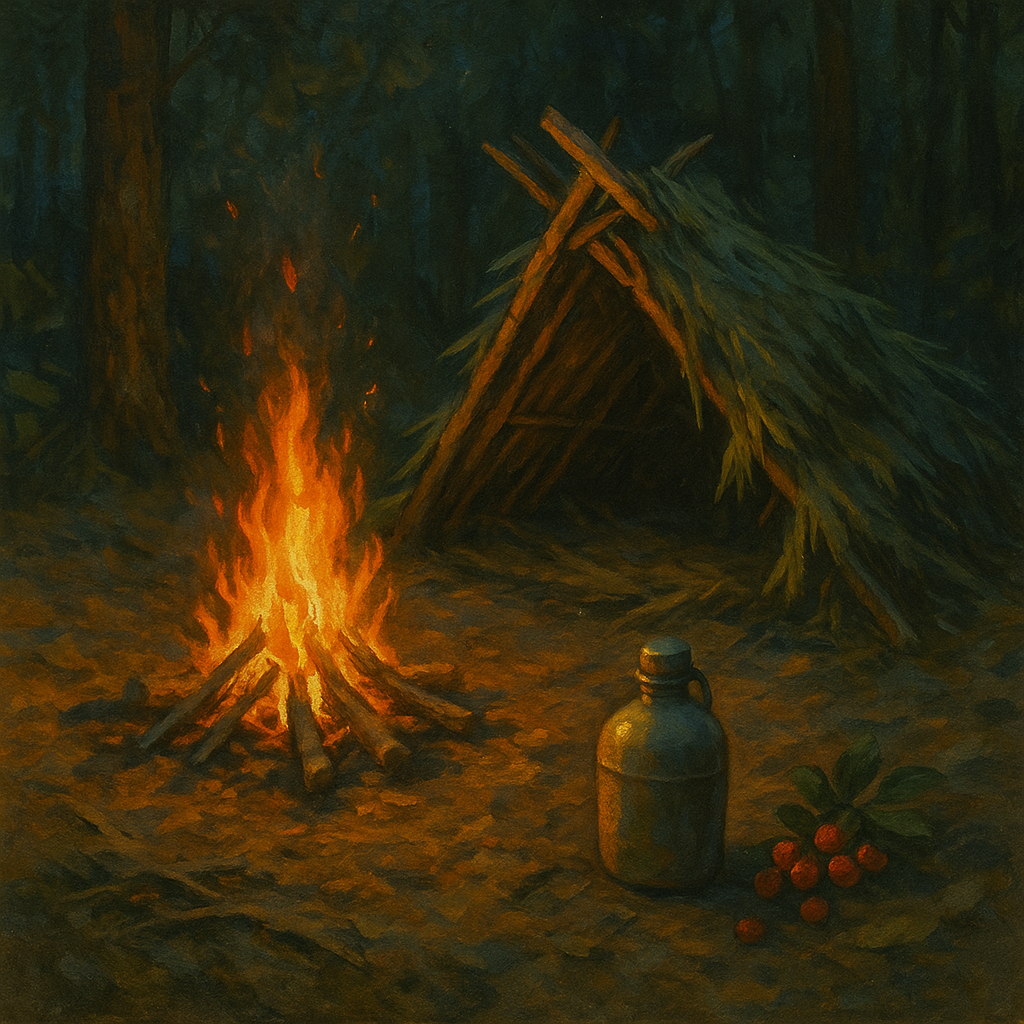
People need water, shelter, food, and fire.
Which one is most important depends on the place.
Example: In the desert, water is the top priority.
Example: In a snowstorm, shelter and fire are most important.
People can live without food for days, but not without water or protection from cold/heat.
Show the details: how it smells, feels, or tastes.
Example: Smoke burning the eyes, the taste of dirty river water, or freezing wind cutting the skin.
5. Show the Characters’ Struggles
Knowledge: A character’s skills help, but they don’t know everything.
Example: A scout might know how to make a fire, but not how to hunt safely without getting bitten by snakes.
Physical limits: People get tired, hurt, or fail—they can’t always be heroes.
Example: A survivor twists an ankle and can’t run when a wild boar charges.
Personality: Stress shows who they really are. They may grow or change.
Example: A shy character becomes braver when forced to explore a dark cave alone.
Example: An impatient character learns to stay calm while waiting hours for a storm to pass.
Psychology: Most people panic in danger. Some lose hope.
Example: The survivor nearly gives up, but keeps going because they want to see home again.
6. Build Tension and Realism
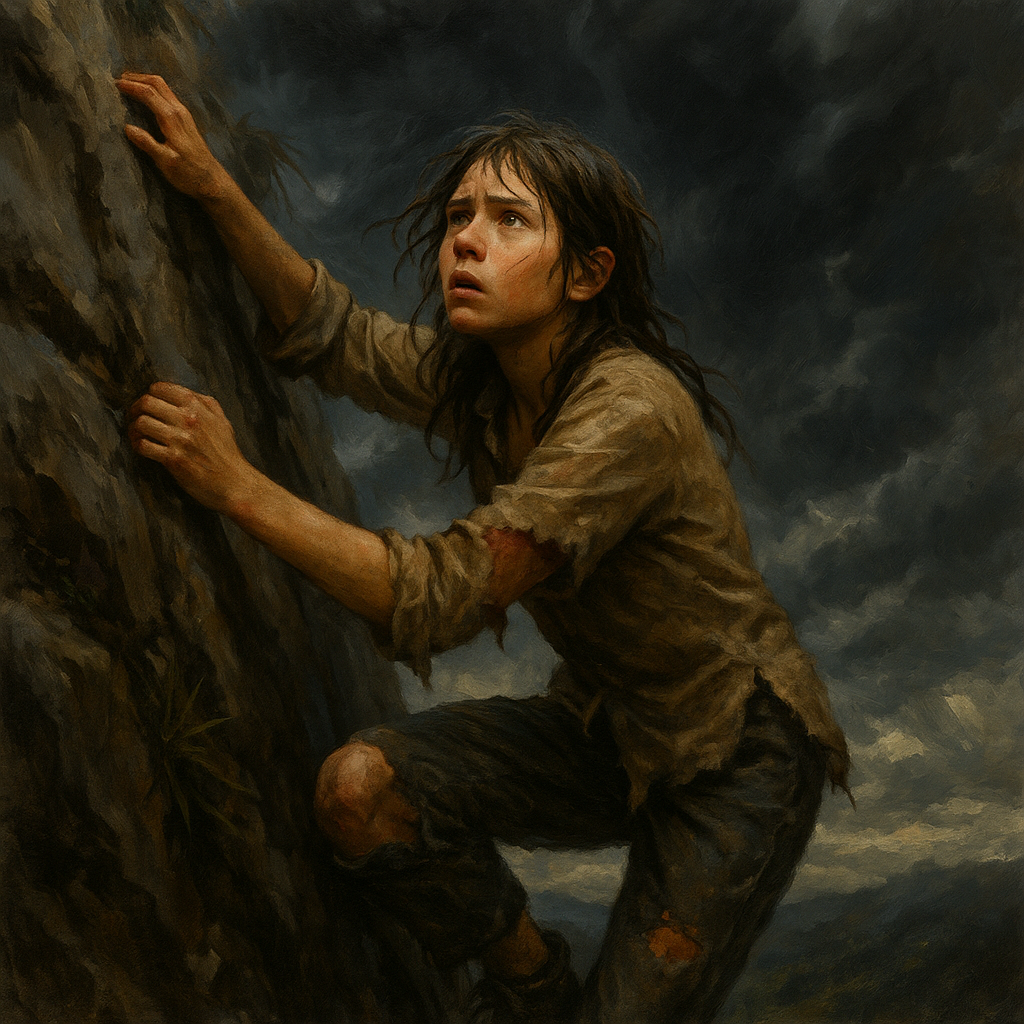
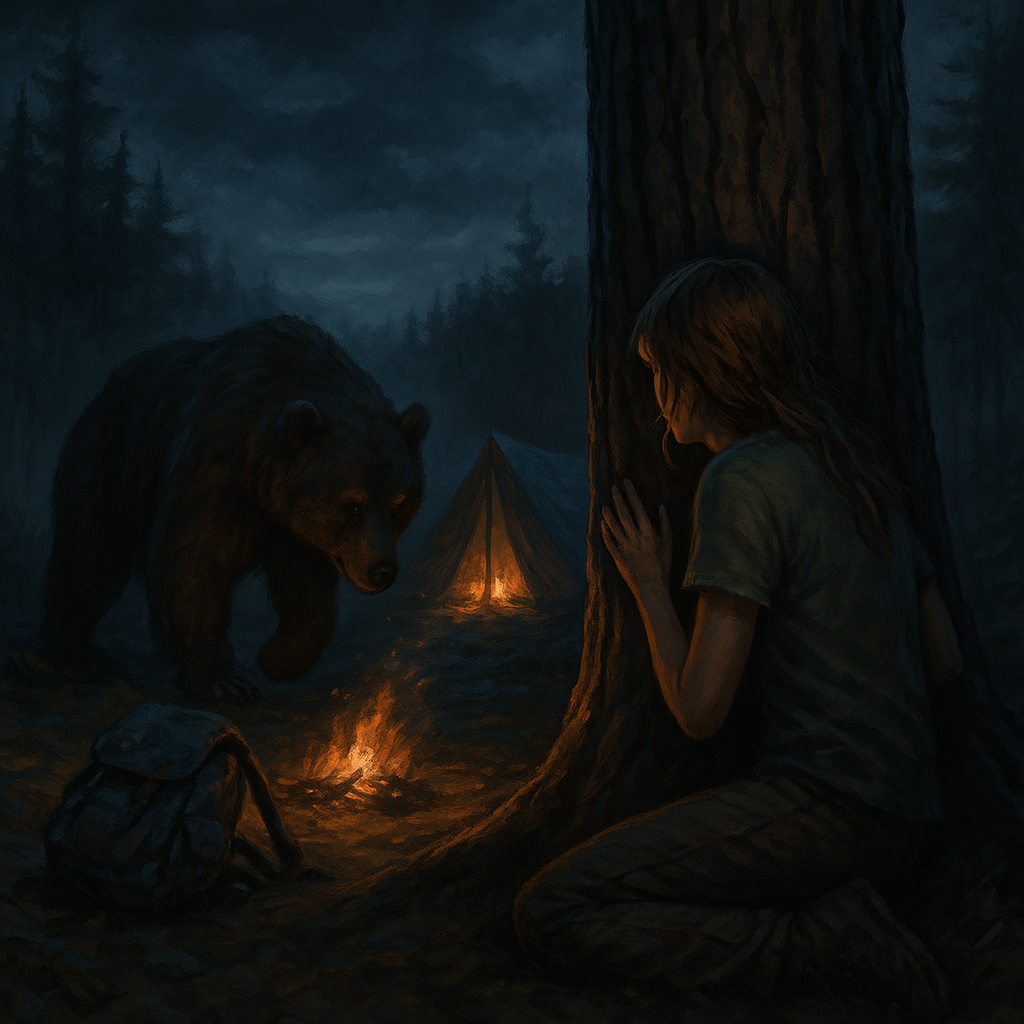
Keep the hero vulnerable. If they’re too powerful, readers won’t worry about them.
Example: A teenager lost in the forest is more interesting than a trained soldier.
Make obstacles tough but believable. Too easy = no tension. Too hard = not realistic.
Example: Struggling for hours to climb a cliff is believable; jumping up in seconds is not.
Let them win sometimes. Small victories mixed with losses make the story exciting.
Example: They manage to catch a fish after many failures, but burn half of it in the fire.
Use dangers in different ways. Wild animals or insects don’t always need to kill—they can chase, injure, or scare.
Example: A bear steals food but doesn’t attack.
Example: A scorpion stings the survivor, causing pain and weakness.
Example: A snake blocks the path, forcing the survivor to go another way.
Show the hero’s planning. Even when afraid, they should think ahead, not just depend on luck.
Example: The survivor marks trees to avoid getting lost in the forest.
7. Make It More Than Survival
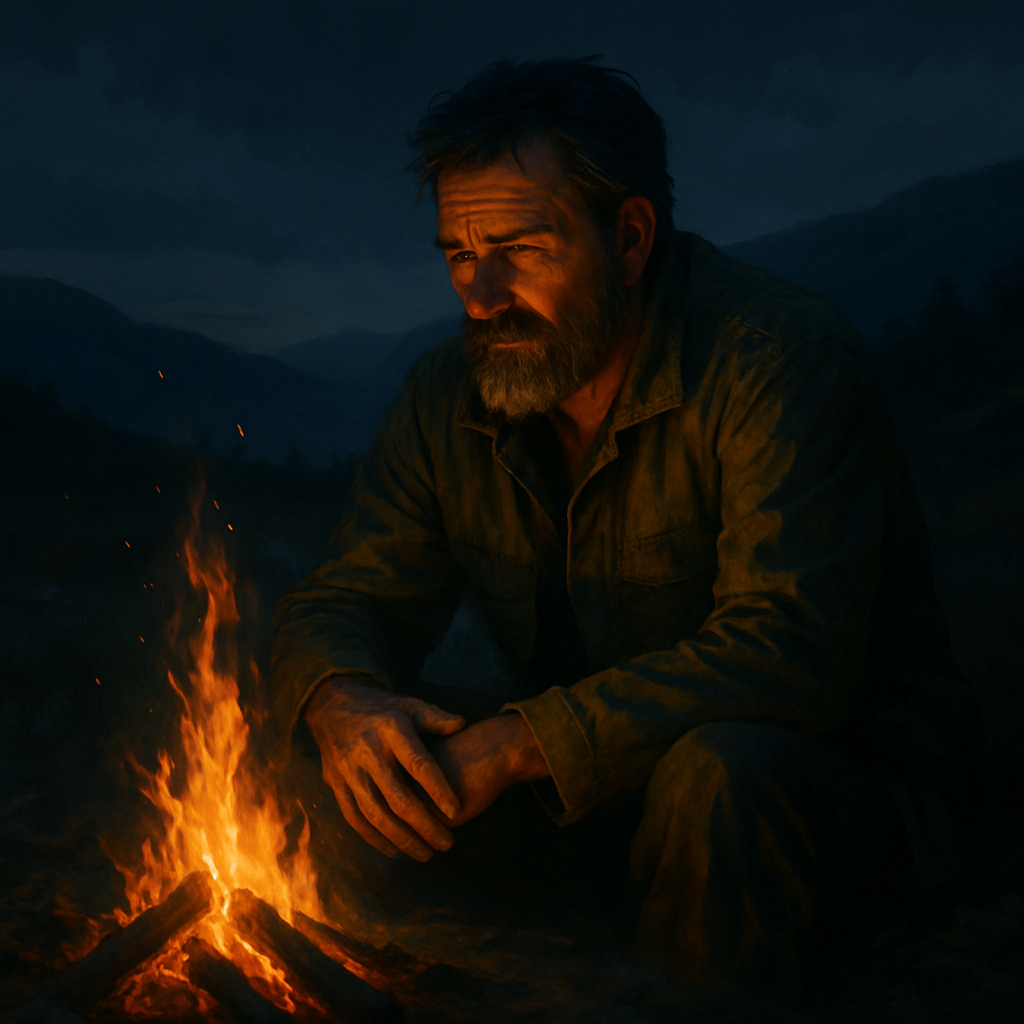
Use survival scenes to show who your character is inside.
Mistakes and problems make the story more believable and exciting.
Example: A character who used to give up easily learns to fight on after many failures.
8. Endings
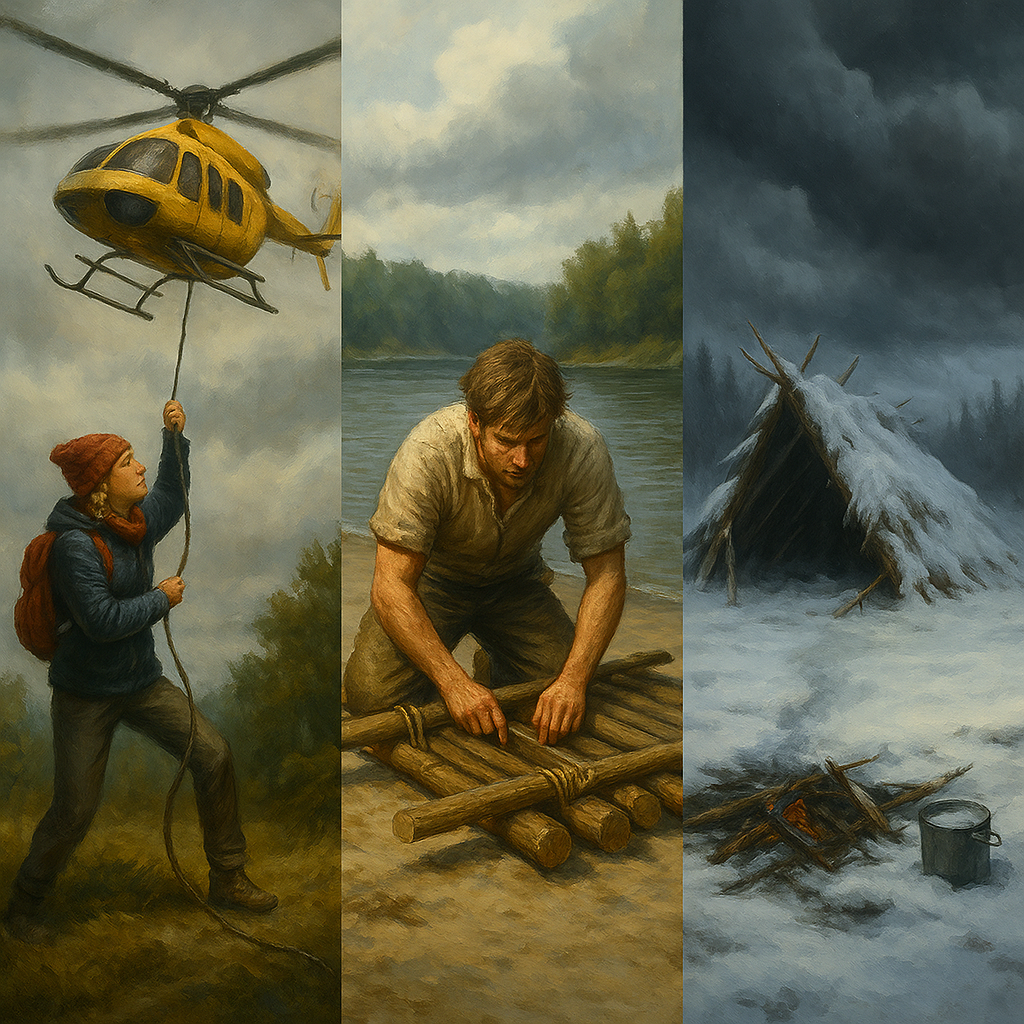
Rescue: Someone else finds the survivor and saves them.
Example: A helicopter spots a fire they lit on the beach.
Self-rescue: The survivor escapes by their own actions.
Example: They build a raft and reach safety, or walk out of the forest to a village.
Tragic (advanced): The survivor does not make it. The focus should be on the struggle, emotions, and meaning of their final moments.
Show the physical struggle: weakness, exhaustion, pain.
Example: Their hands shake too much to strike a fire, or their legs collapse in the snow.
Show the psychological struggle: fear, despair, or even peace.
Example: They think about family or home, and this memory gives them comfort before the end.
Show the atmosphere: how nature “wins” in the end.
Example: The storm grows louder as the survivor closes their eyes.
The death should feel like the end of a journey, not just a sudden stop.
REMEMBER!
The most important part is not just if the survivor lives or dies, but what the struggle shows about them.