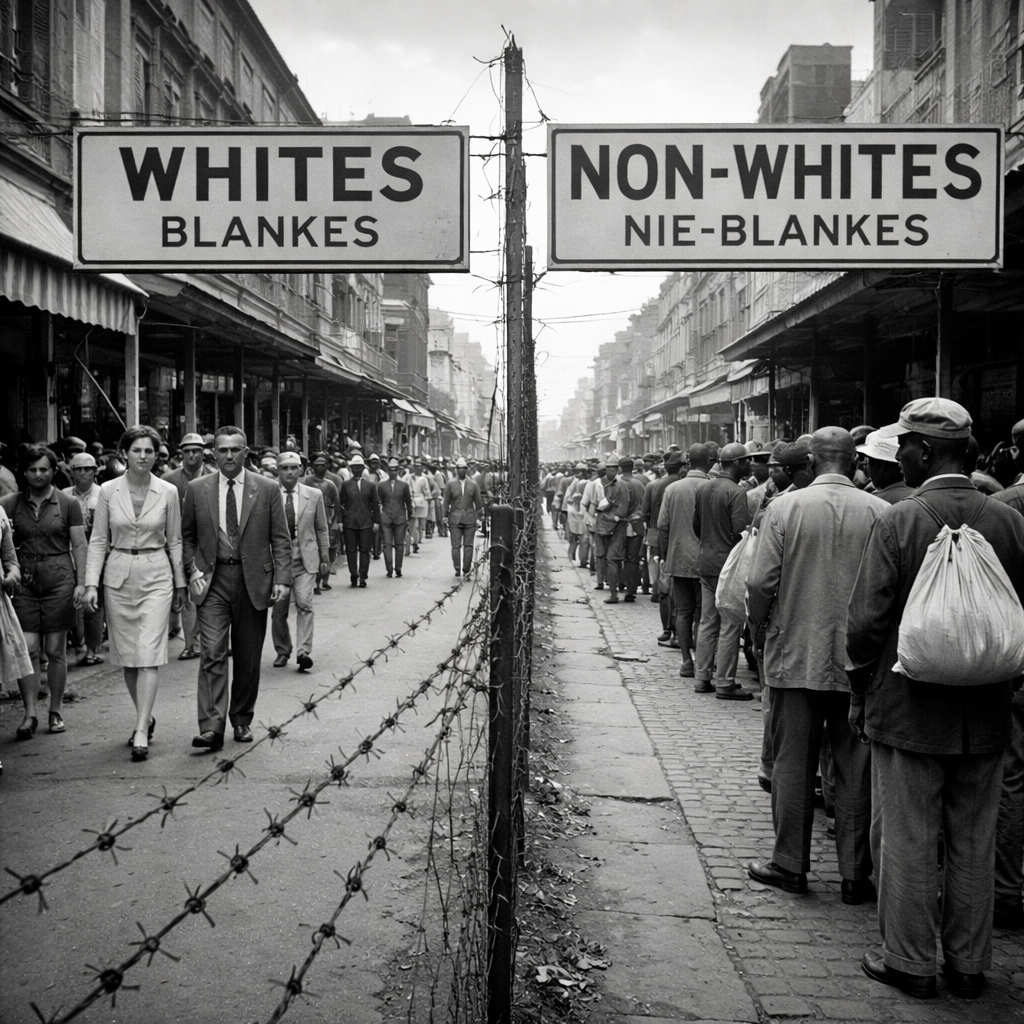
Apartheid was a political system of racial segregation in South Africa. The word apartheid comes from Afrikaans and means separation. Under Apartheid, people were separated by race and did not have the same rights. Apartheid became the law of South Africa in 1948 and lasted until the early 1990s.
The system divided people into different racial groups, mainly White, Black, Coloured and Indian. These groups were treated very differently by the government. White South Africans had the most power and rights, while Black South Africans had the fewest.
Why was Apartheid introduced, and by whom?
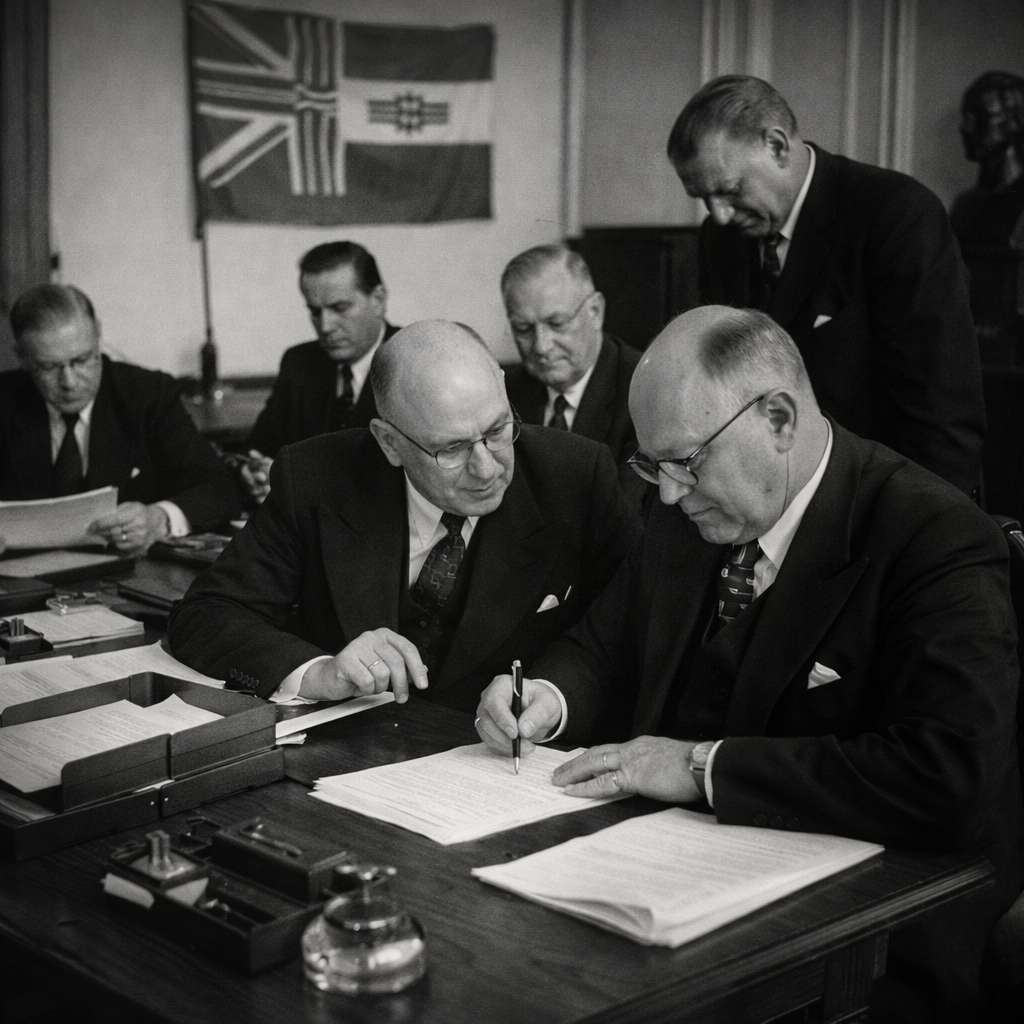
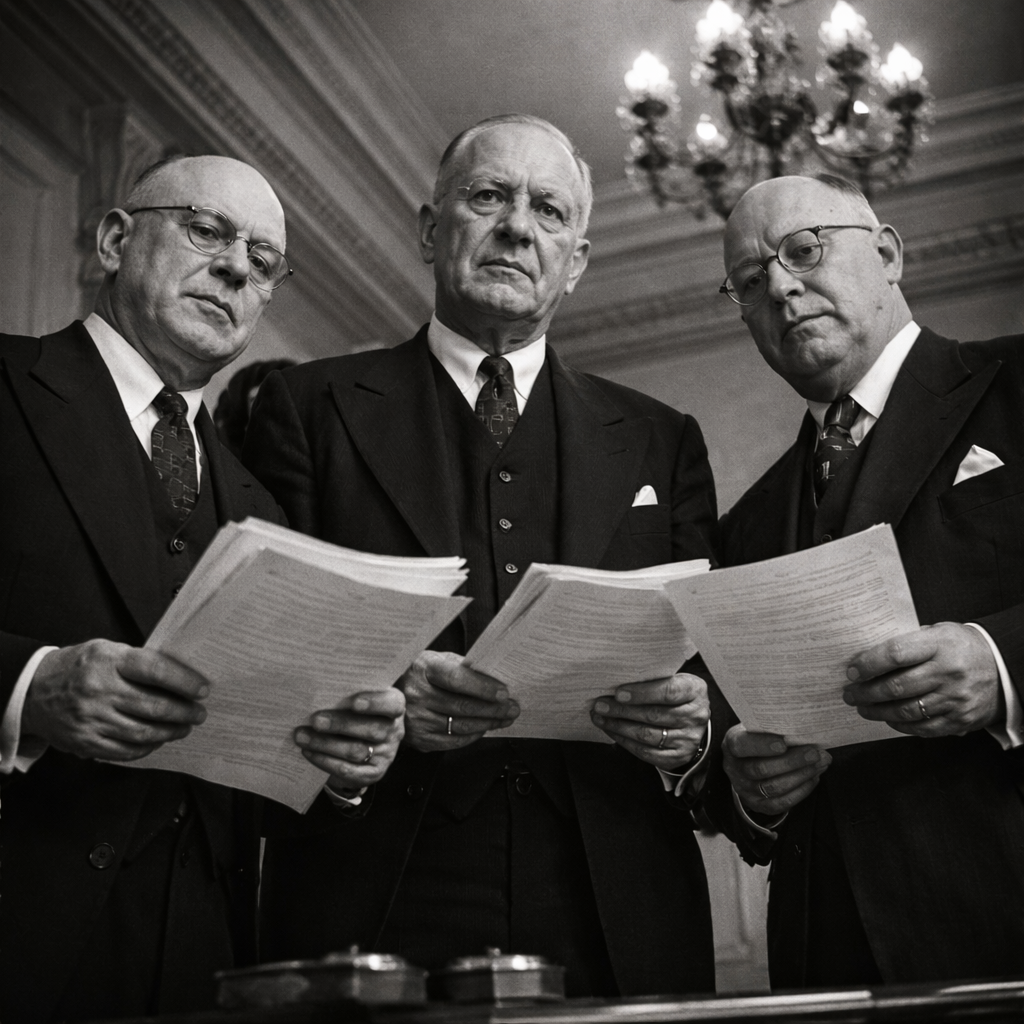
Apartheid was introduced by the National Party, a political party that came to power in 1948. The party was led mainly by white Afrikaners. They believed that South Africa should be controlled by the white minority and that different racial groups should live separately.
Many white politicians feared losing power and economic control. By creating Apartheid laws, they could protect their own privileges, land and jobs. Racism and ideas about racial superiority were used to justify the system.
How did Apartheid control everyday life?
Apartheid affected almost every part of daily life. Laws decided:
Where people were allowed to live
Which schools they could attend
Which jobs they could have
Who they were allowed to marry
Where they were allowed to travel
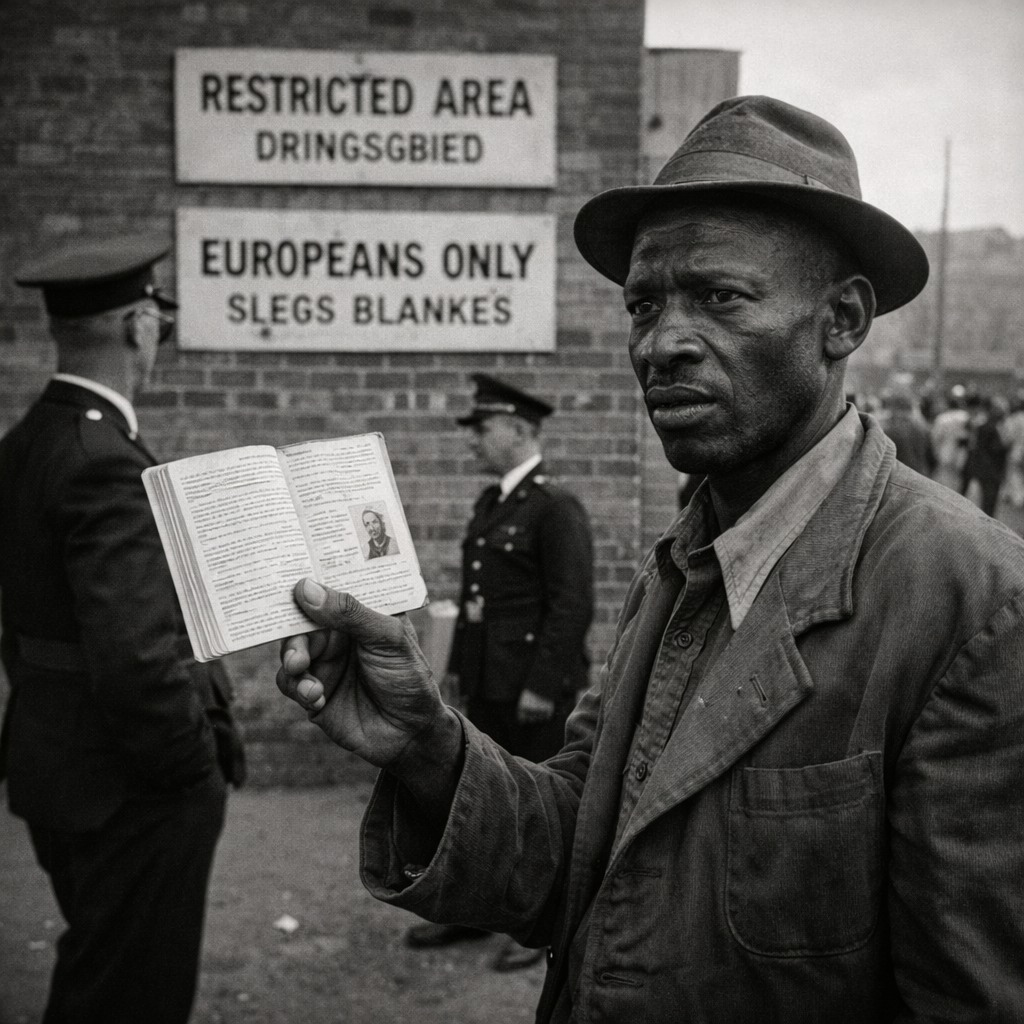
Black South Africans had to carry pass books to prove they were allowed to be in certain areas. If they did not have the correct papers, they could be arrested. Families were often separated because people were forced to live and work in different places.
Living conditions under Apartheid
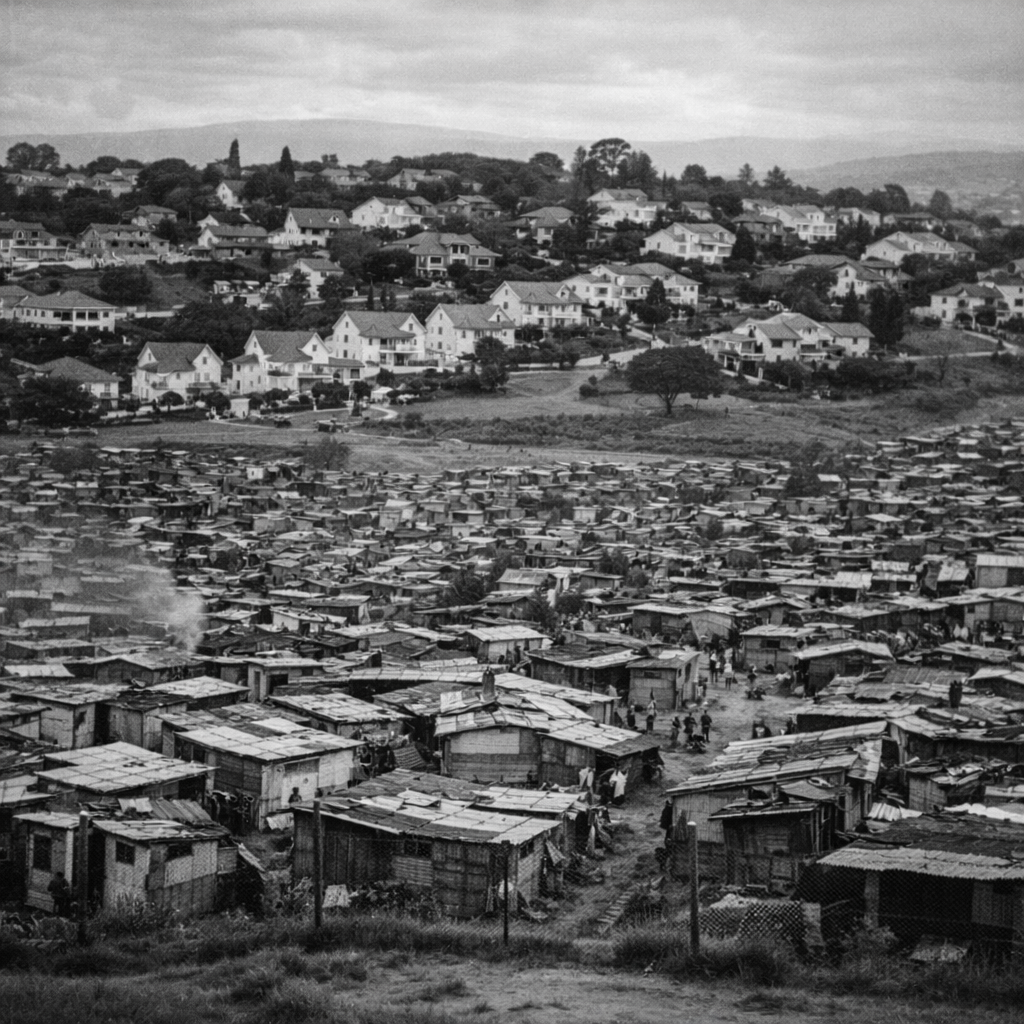
Living conditions under Apartheid were very unequal. White South Africans usually lived in well-developed areas with good schools, healthcare and job opportunities. Many Black South Africans lived in townships or rural areas with overcrowded housing and fewer resources.
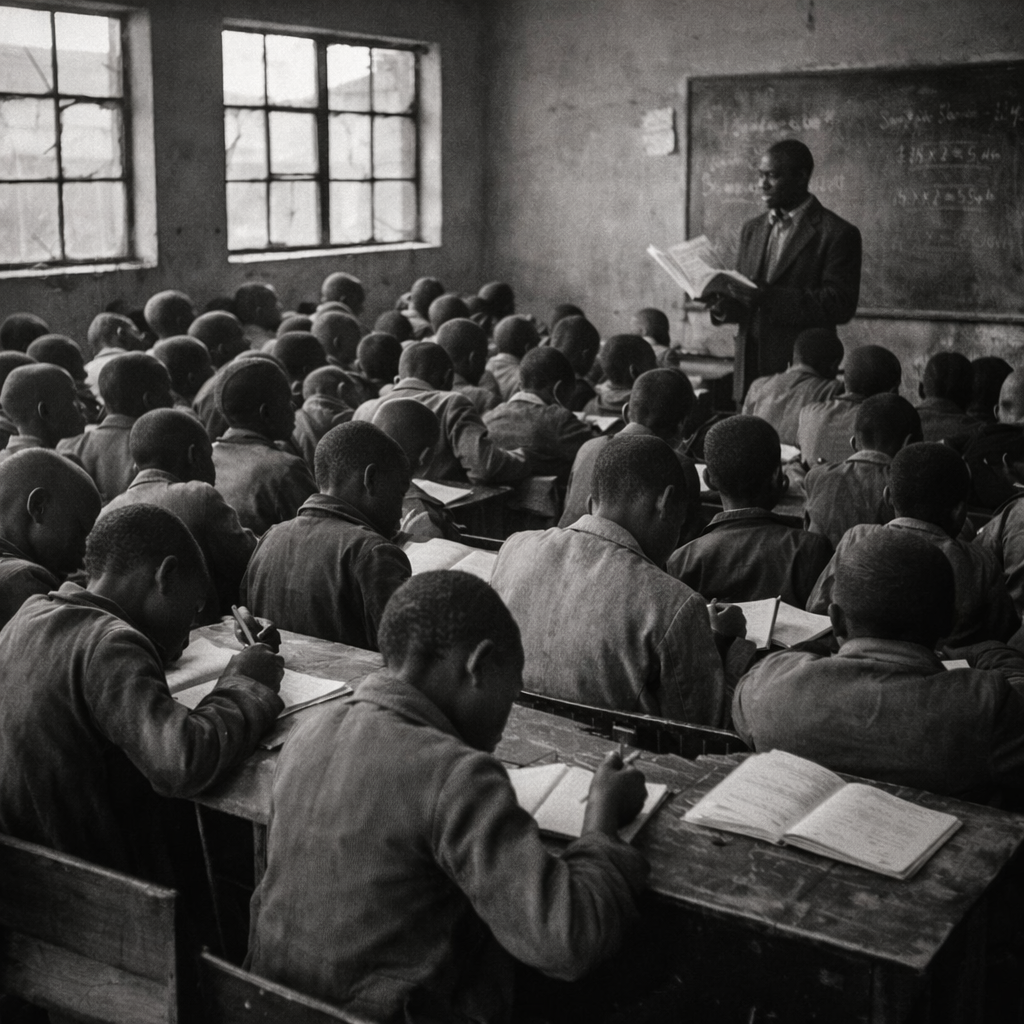
Education was also unequal. Schools for Black children were underfunded and focused on preparing them for manual labour, not higher education. This made it very difficult for Black South Africans to improve their living conditions.
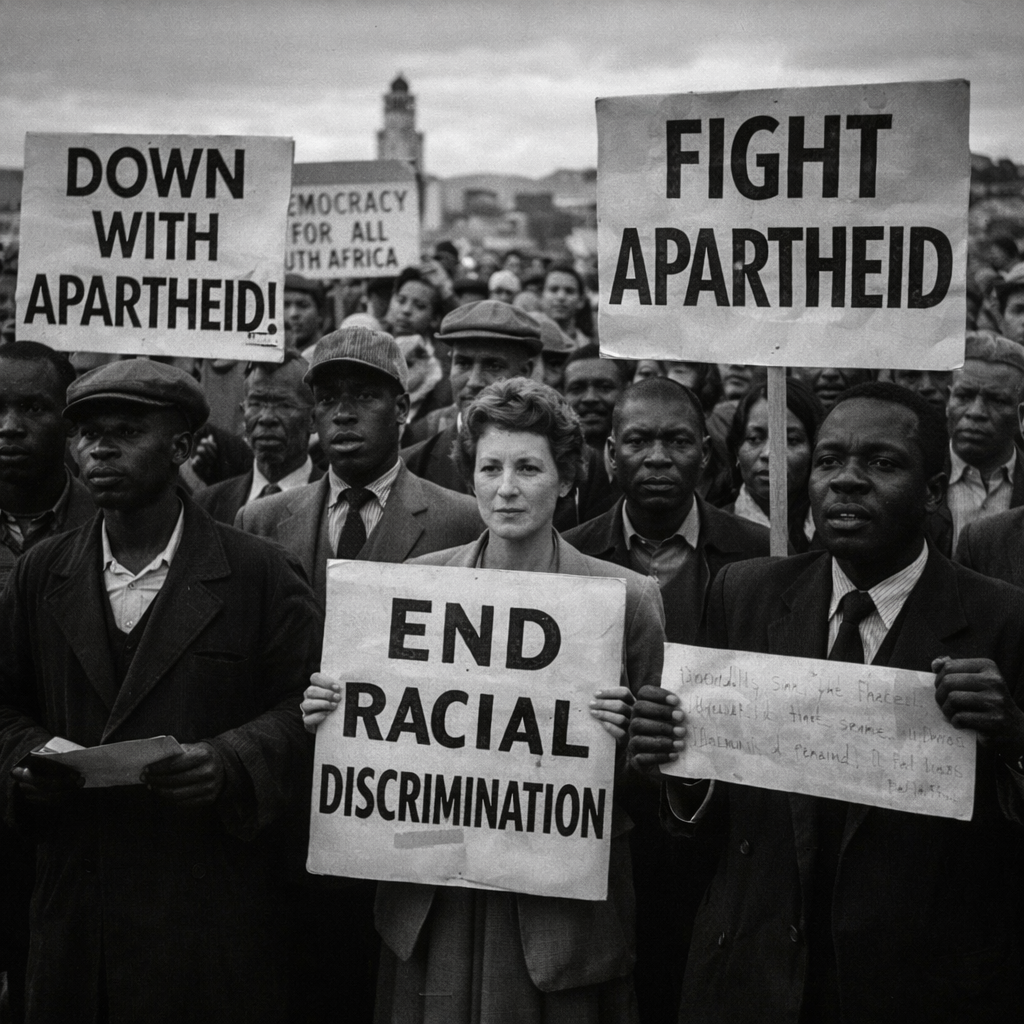
Despite the oppression, many people resisted Apartheid. Protests, strikes and political movements grew stronger over time. One of the most important organisations fighting against Apartheid was the African National Congress (ANC).
The rise of Nelson Mandela
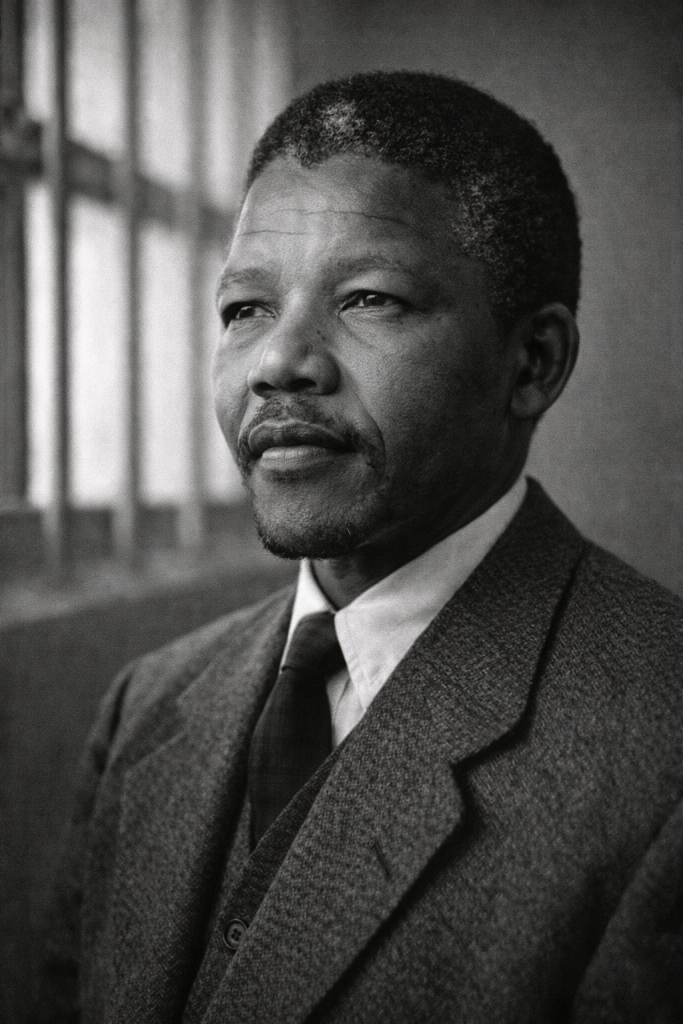
One of the most famous leaders in the fight against Apartheid was Nelson Mandela. Mandela believed that Apartheid was unjust and that South Africa should belong to all its people, no matter their race.
Because of his political activities, Mandela was arrested and later sent to prison. His imprisonment made him a symbol of resistance, both in South Africa and around the world. His story would become closely connected to the end of Apartheid and the future of South Africa.
To do
Read the text and watch the videos.
In your document, answer the following questions:
What was Apartheid? Explain in your own words what the Apartheid system was and when it became law.
Who introduced Apartheid, and why? Name the political party that introduced Apartheid and give one reason why they did it.
How did Apartheid affect everyday life for Black South Africans? Use examples from the text and explain how these laws could affect a person’s daily life.
Why do you think the government used laws to control where people lived, worked and studied? Give your own thoughts and support them with ideas from the text.
Apartheid created resistance and leaders like Nelson Mandela. Why do you think unfair systems often lead to strong resistance movements and leaders? Use the text and your own thinking in your answer.