
SLAVERY SEGREGATION AND CIVIL RIGHTS
Slavery
To understand why the United States is sometimes called a land divided, it is important to look at its history. Some of the deepest divisions in the country come from slavery and segregation.
For a long time, slavery was legal in the United States. Enslaved people were taken from Africa and forced to work without pay or freedom. They were not seen as full human beings. Instead, they were treated as property — something that could be owned, bought, sold, or punished.
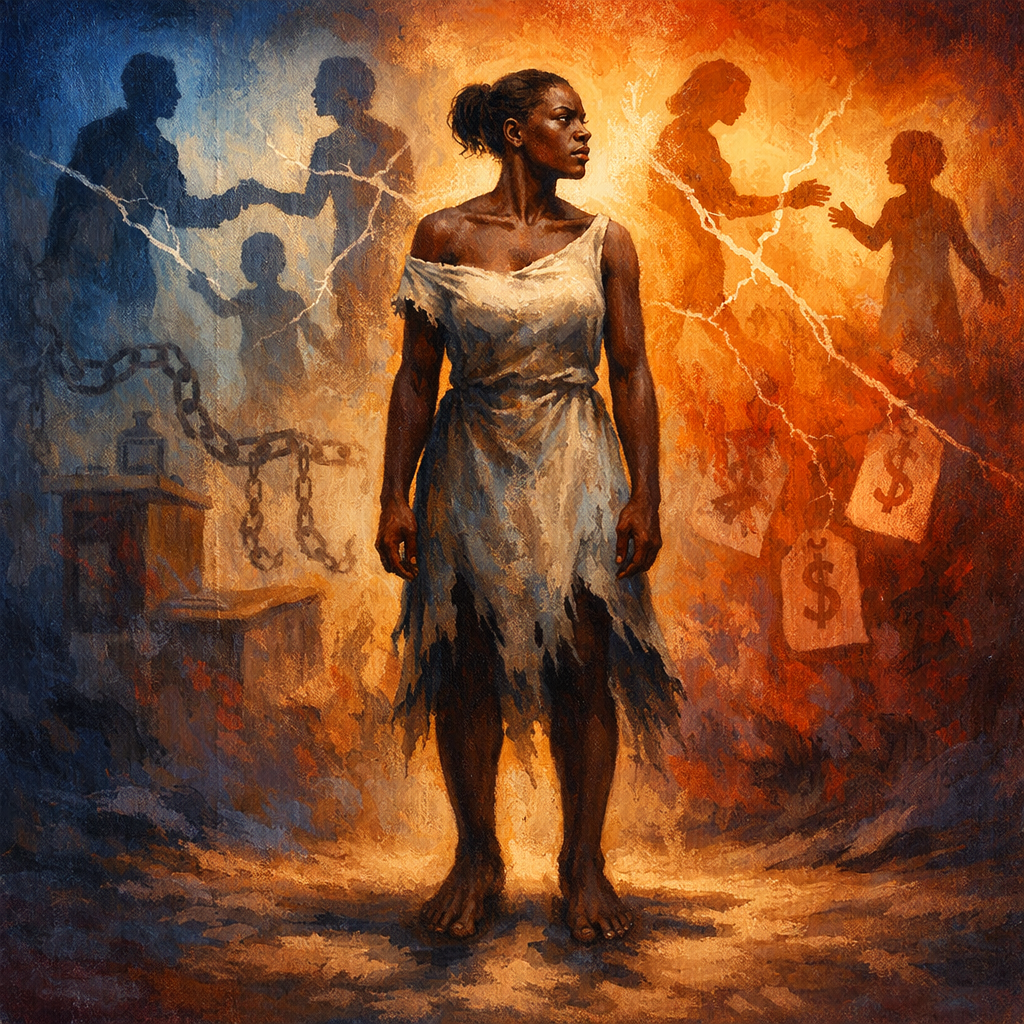
Enslaved people could be sold at auctions in the same way animals or tools were sold. Families were often separated. Children could be taken away from their parents. Enslaved people had no legal control over their own lives.
This idea of ownership is clearly shown in literature. In Beloved by Toni Morrison, a novel about the experience of slavery, one character is told:
“You got two feet, Sethe, not four.”
The sentence is short, but powerful. It shows how enslaved people were treated as less than human — closer to animals than to free individuals with rights.
Segregation laws
When slavery ended in the 1800s, many hoped that equality would follow. But freedom did not mean equal treatment.
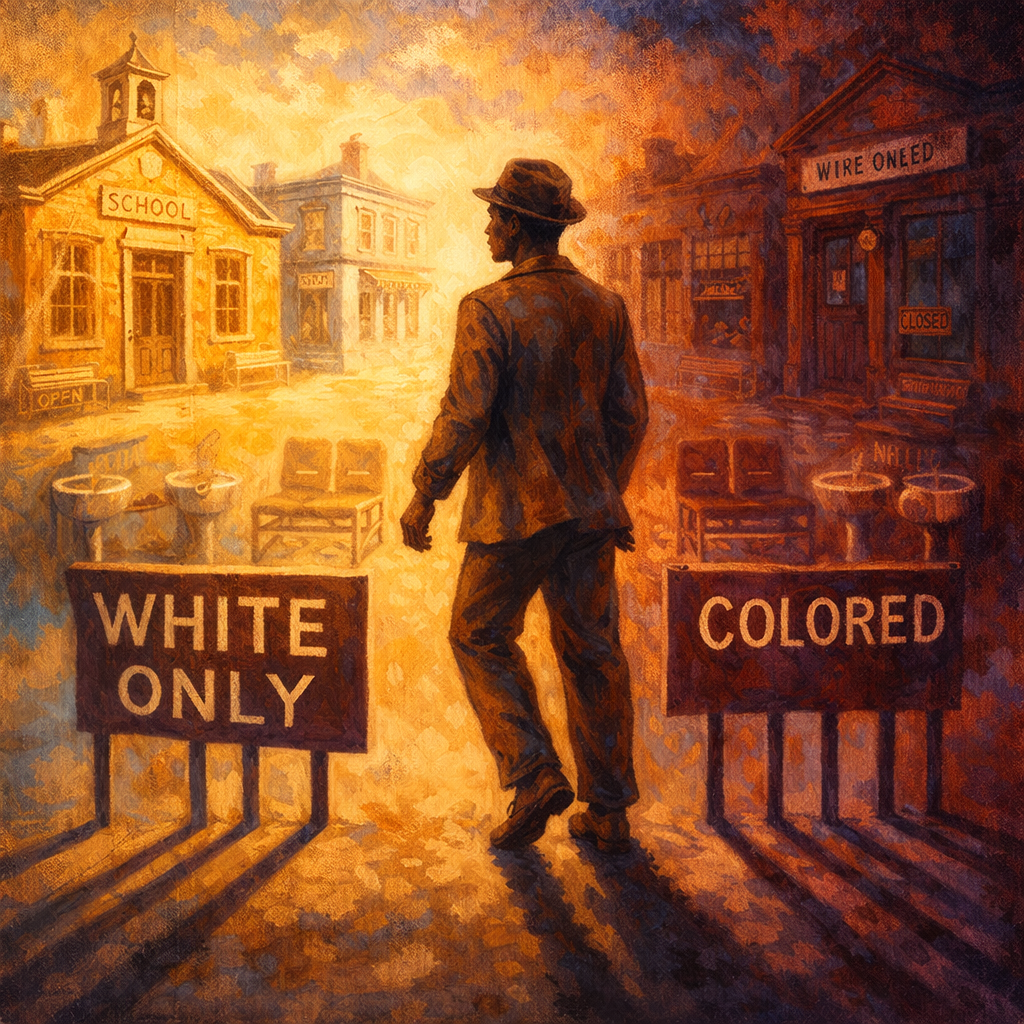
Instead, many states introduced segregation laws, often called Jim Crow laws. These laws separated Black and white Americans in everyday life. Black Americans were forced to use different schools, buses, restaurants, toilets, waiting rooms, and water fountains. Signs saying “White Only” or “Colored” were common in public places.
Segregation did not only control where people could sit or eat. It sent a clear message: you are not equal. Education was often worse, job opportunities were fewer, and speaking up could be dangerous.
One well-known example of resistance to segregation is Rosa Parks. In 1955, she refused to give up her seat on a bus to a white passenger in Montgomery, Alabama. Her quiet act of resistance led to the Montgomery Bus Boycott, where many Black Americans refused to use the buses. This protest became an important moment in the Civil Rights Movement.
1950 and 1960
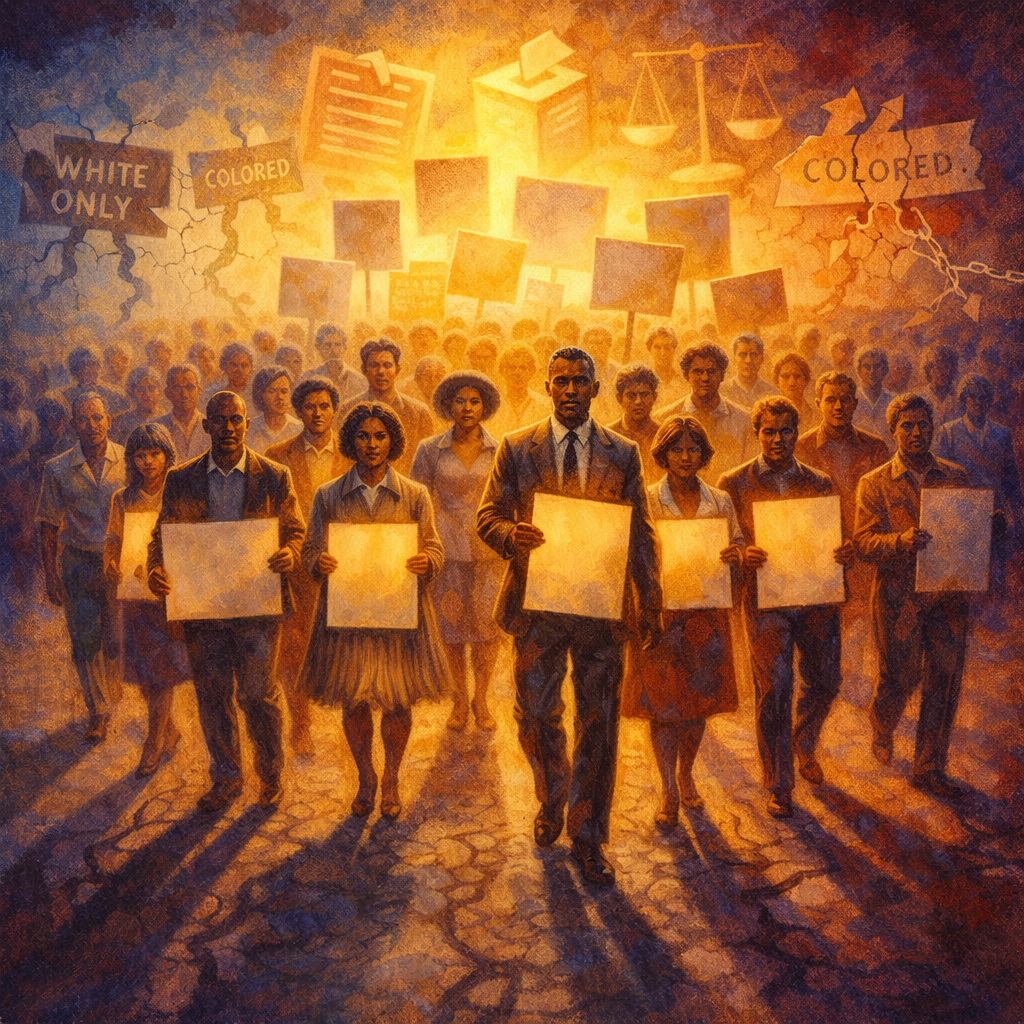
During the 1950s and 1960s, people marched, protested, and demanded change. New laws were passed that made segregation illegal and protected voting rights. These laws changed American society, but the effects of slavery and segregation did not disappear overnight.
This history helps explain why the United States can still feel divided today. The divisions are not only about opinions or politics. They are rooted in how people were treated, who had power, and whose lives were valued.
to do
- Read the text.
- Answer the following questions:
How were enslaved people treated in the United States, according to the text?
Give at least two examples.What does the quote from Beloved (“You got two feet, Sethe, not four.”) show about slavery?
Explain in your own words.What was segregation, and how did it affect the everyday lives of Black Americans?
Use examples from the text.Why does this history help explain why the United States can still feel divided today?
Answer with your own words.
you are a history detective
Your job is to find one true historical example that helps explain the text we have read about slavery, segregation, and the Civil Rights Movement in the United States.
Your example can be about:
segregation in schools, buses, restaurants, or public places
a law or rule from the segregation era
a person who resisted segregation
an event that shows how people were treated unfairly