
LEAVING SWEDEN ARRIVING AT ELLIS ISLAND
The story of Alma Andersson
In the late 1800s and early 1900s, hundreds of thousands of people left Sweden to start a new life in the United States. Many of them came from the countryside, where life had become harder year after year. Poor soil, failed crops, and poverty made it difficult to survive. Families were forced to make impossible choices: stay and struggle, or leave everything they knew behind.
The journey to America was long and uncertain. People travelled for weeks, sometimes months, without knowing what awaited them. When they finally arrived, they still had one important step left before they could enter the country: Ellis Island.
The following story is fictional, but it is based on real events and real experiences. Through Alma’s story, we will follow one family’s journey from Sweden to America — their hopes, fears, and dreams of a better future.
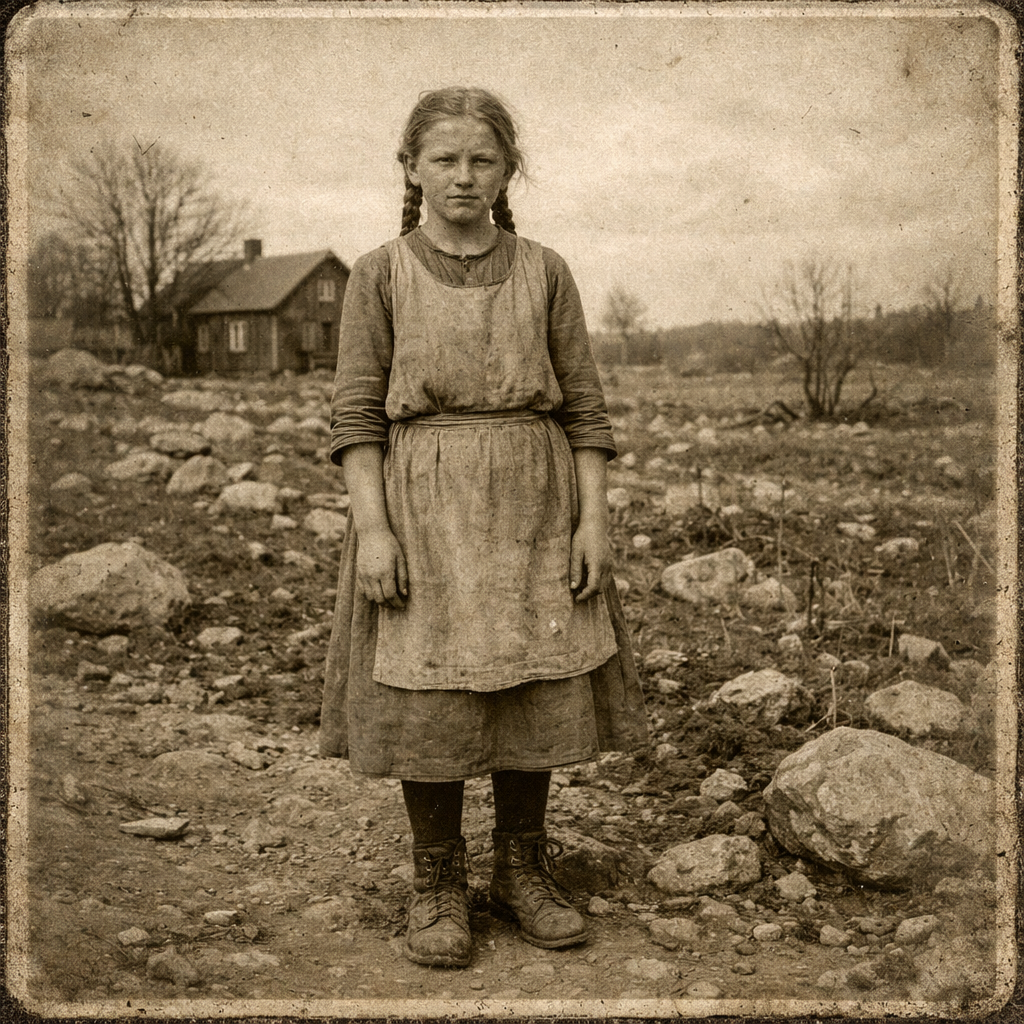
From småland to america – why we left
My name is Alma Andersson. I am fourteen years old, and I grew up in Småland.
The land where we lived was rocky and hard to farm. Year after year, the harvest was small. Some years the crops failed almost completely. When that happened, there was not enough food, and there was no money to buy more. People worried all the time. Some families lost children or grandparents when sickness and hunger came together, especially in the hardest years.
My parents talked in low voices at night. They spoke about debt, about the future, and about how difficult life had become. Letters arrived from America. They spoke about work, land, and a chance to build a better life. My parents knew those letters often told only the good parts, but they still gave hope.
Leaving Sweden felt frightening. We were leaving our home, our language, and the people we loved. But staying felt even more frightening.
So one winter, my parents made the decision.
We had to leave.
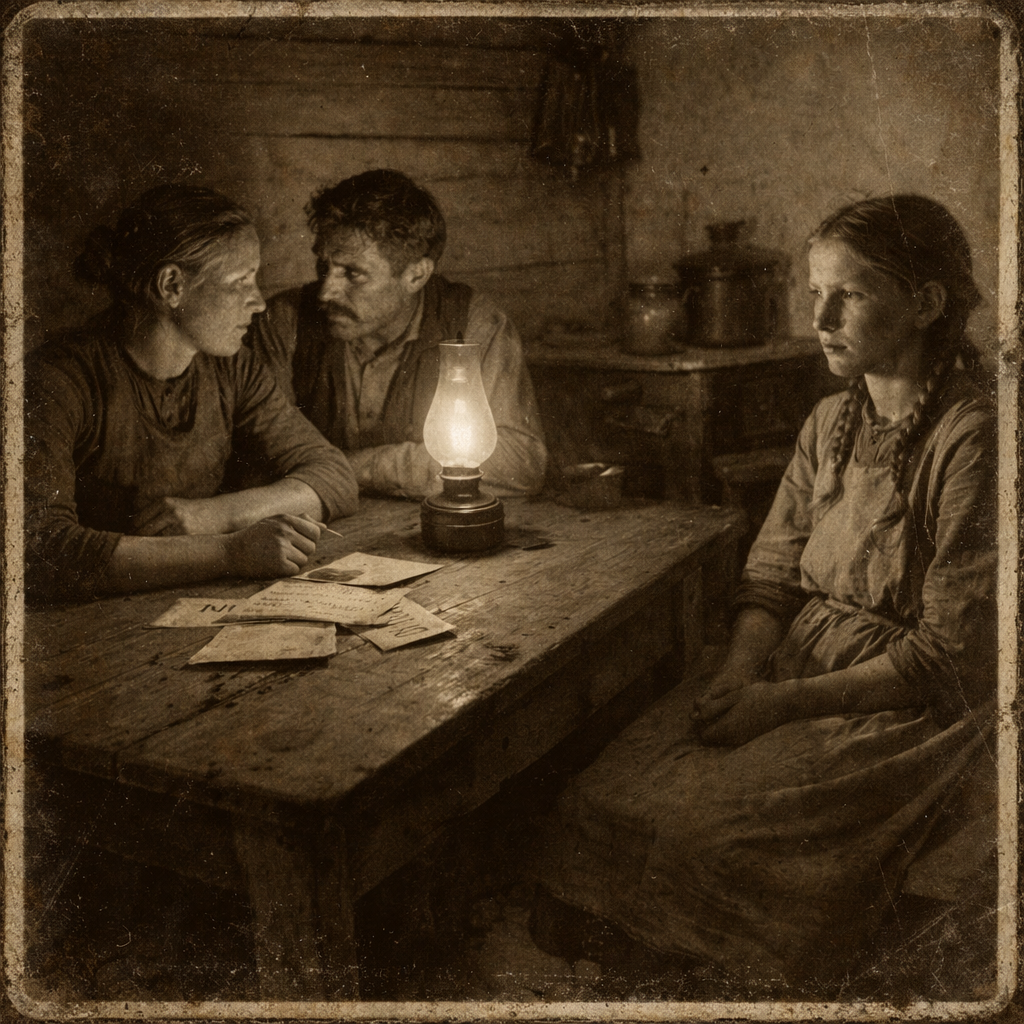

The journey
The journey was long. We travelled first within Sweden, then further and further away from everything familiar. At last, we boarded a large ship that would take us across the Atlantic Ocean.
We travelled in steerage, where most poor families travelled. The space was crowded, and the air was heavy. When the sea was rough, many people became sick. Days felt endless, and nights were filled with strange sounds and worries.
Still, hope lived inside us. My parents talked about America as a place where hard work might be enough. I imagined clean streets, full tables, and a future where my younger brother would not be hungry.
Arrival in New York
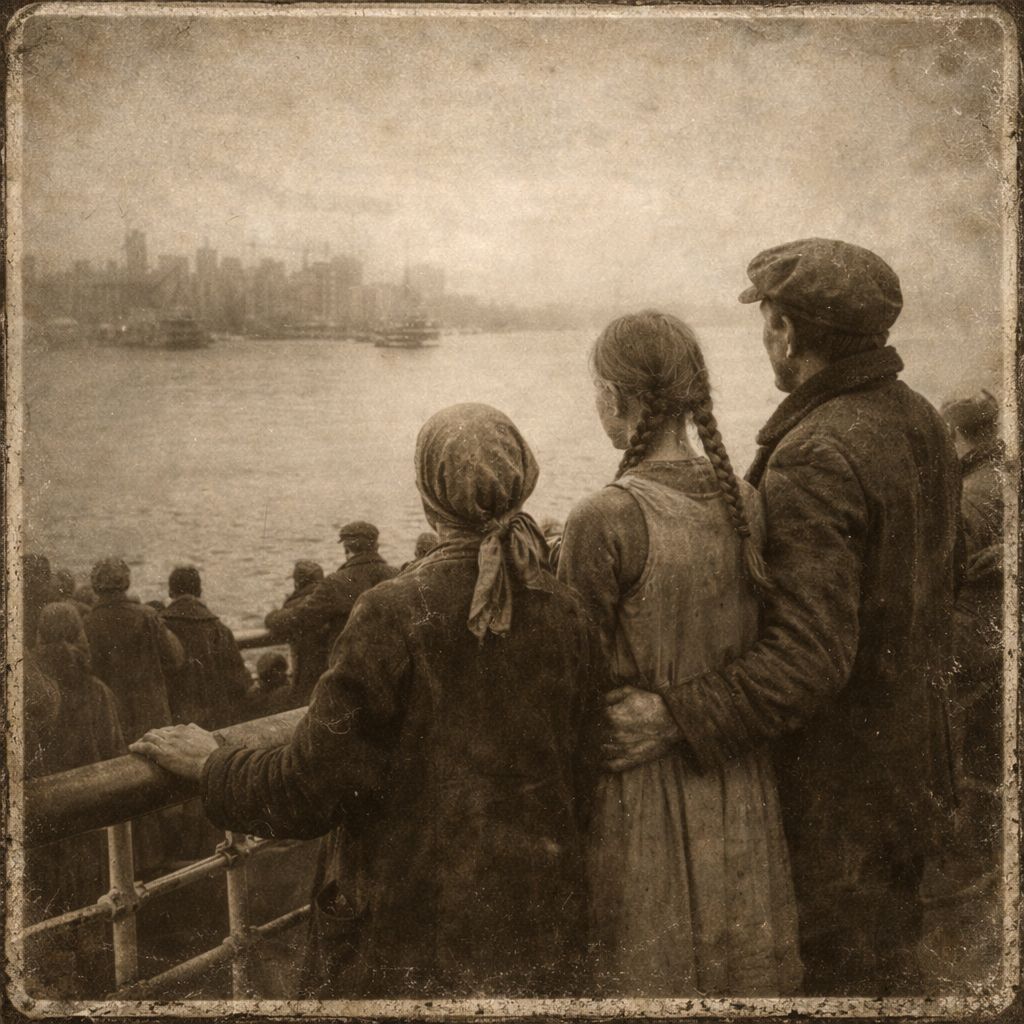
After weeks at sea, we finally saw land. Tall buildings rose in the distance, and people cried, laughed, and prayed at the same time.
But we were not allowed to enter America yet.
Because we were steerage passengers (travelers with the cheapest tickets), we were taken by ferry to Ellis Island. This was where immigrants were checked before being allowed into the country. As the ferry moved closer to the island, my stomach tightened. Everything depended on what would happen there.
Walking through Ellis Island
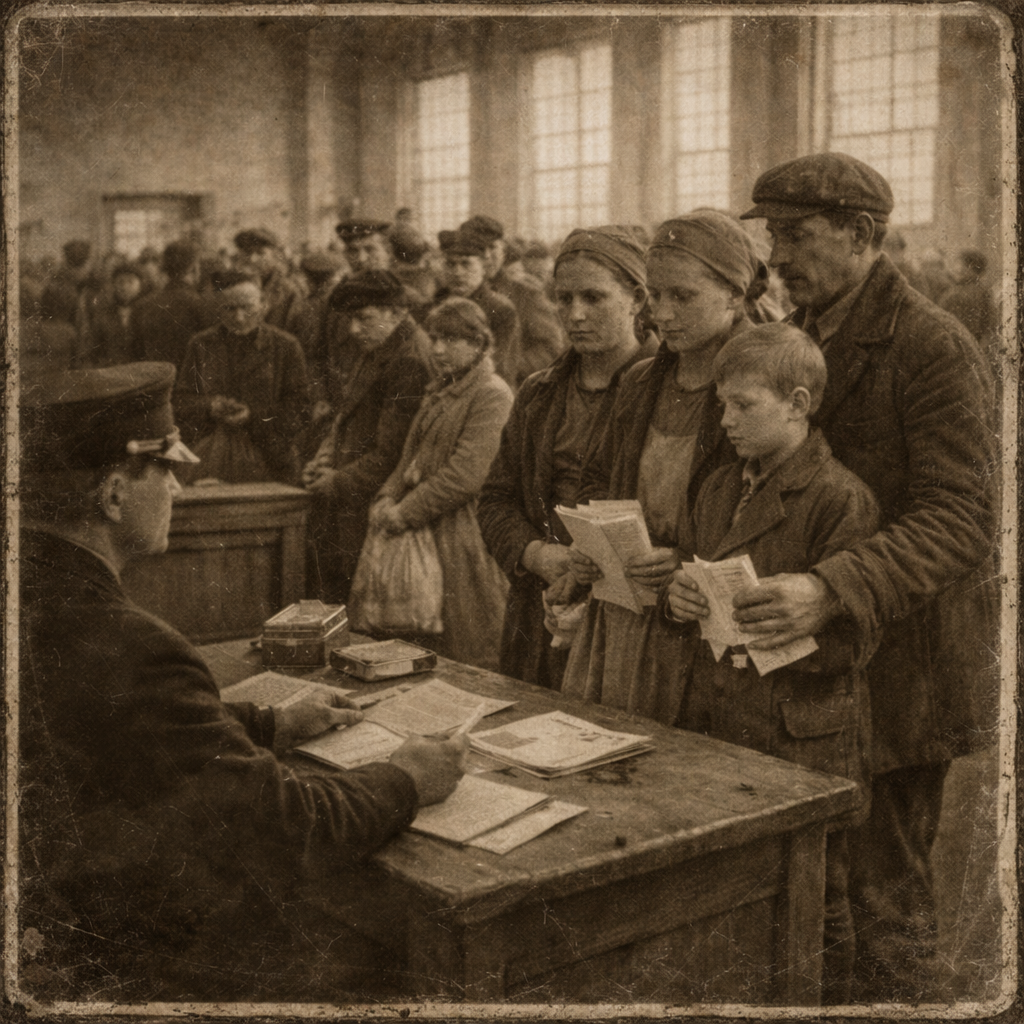
We entered a huge building and were led into a large hall. Lines moved slowly forward. Doctors stood along the path, watching people carefully as they walked. This first inspection was quick, but serious. They looked for signs of illness.
If a doctor thought something was wrong, they could mark a person’s clothing with chalk and send them for more tests. Everyone feared the chalk marks.
My heart beat fast as we walked past the doctors. I tried to stand straight and calm. My little brother held my mother’s hand tightly. The doctor looked at us and then waved us forward.
We were not marked.
Next came the questions. Officials checked our papers and asked the same things that were written on the ship’s list:
our names
our ages
how much money we had
where we were going
They wanted to know if we could support ourselves. The waiting felt endless. Some people were pulled aside. Others cried quietly. We stayed together.
Finally, our papers were returned to us.

Fear of sickness
All around us, people worried about illness. Some were taken to other rooms for medical examinations. A serious disease could mean being sent back.
For a moment, my brother said he felt unwell, and fear rushed through me. But he was only tired and hungry. After some food and rest, he felt better.
We were lucky. We stayed together. We were allowed to continue.
the american dream
When we finally left Ellis Island, my mother cried. My father smiled, though he looked exhausted.
We spoke about the American Dream — the idea that if you worked hard, you could build a better life. We believed in it, but reality was not easy. Work was hard, housing was small, and money was tight. The dream did not arrive quickly.
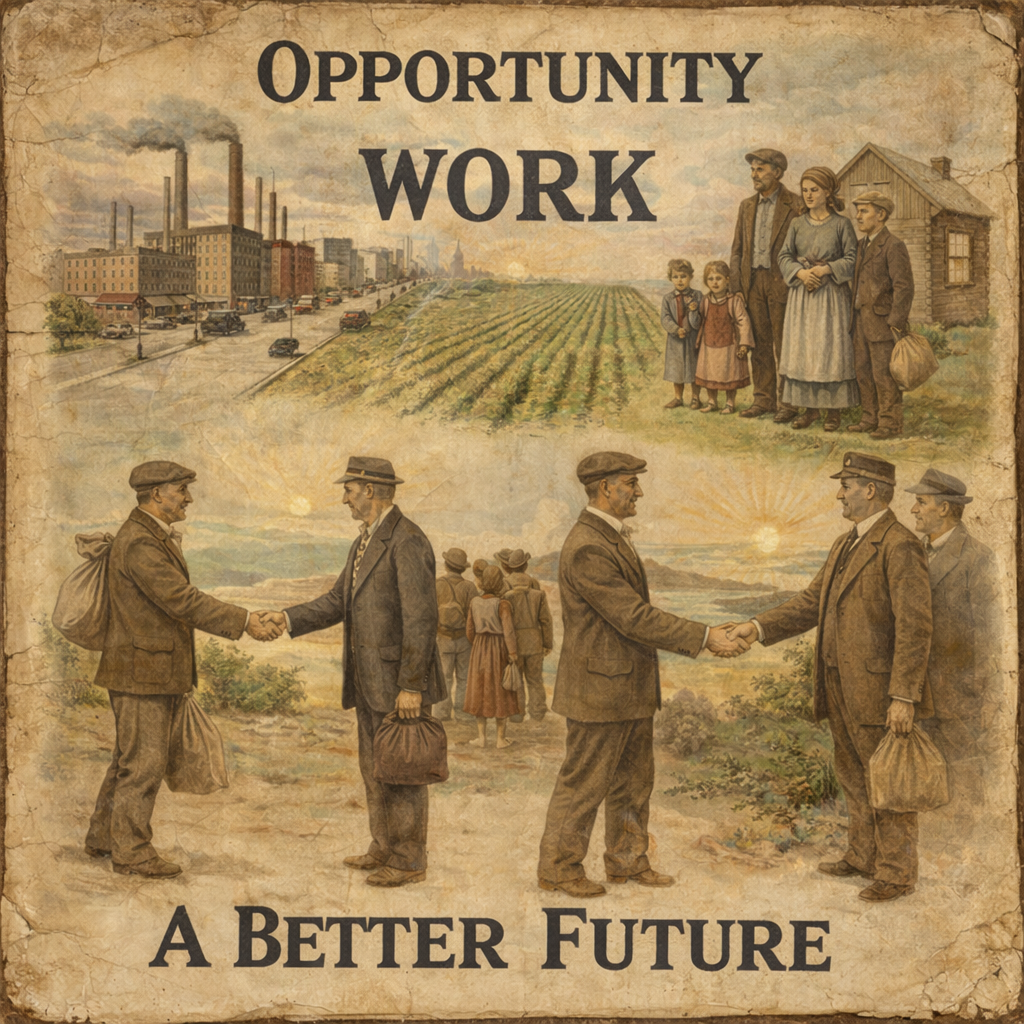
But my brother went to school. My parents earned money. Slowly, life began again.
The dream was not perfect.
But it was possible.
To do:
- Read the text and watch the video about Ellis Island.
- Write down key words from the text and the video. Focus on what you think are interesting and what might be important.
- Find five words in the text that you think are hard. Write the words in your document. For each of the five words, write three sentences that includes the word.
- Can we compare Alma’s story to something that has happened while you’ve been alive?
- Compare with the person next to you.