
OSKAR SCHINDLER
Oskar Schindler – From Profit to Humanity
Oskar Schindler was a German businessman who joined the Nazi Party in the 1930s. He was born in 1908 in what is now the Czech Republic. Before the war, he worked in trade and business, and he liked parties, luxury, and making money. When Germany invaded Poland in 1939, Schindler moved to the city of Kraków to look for new business opportunities.
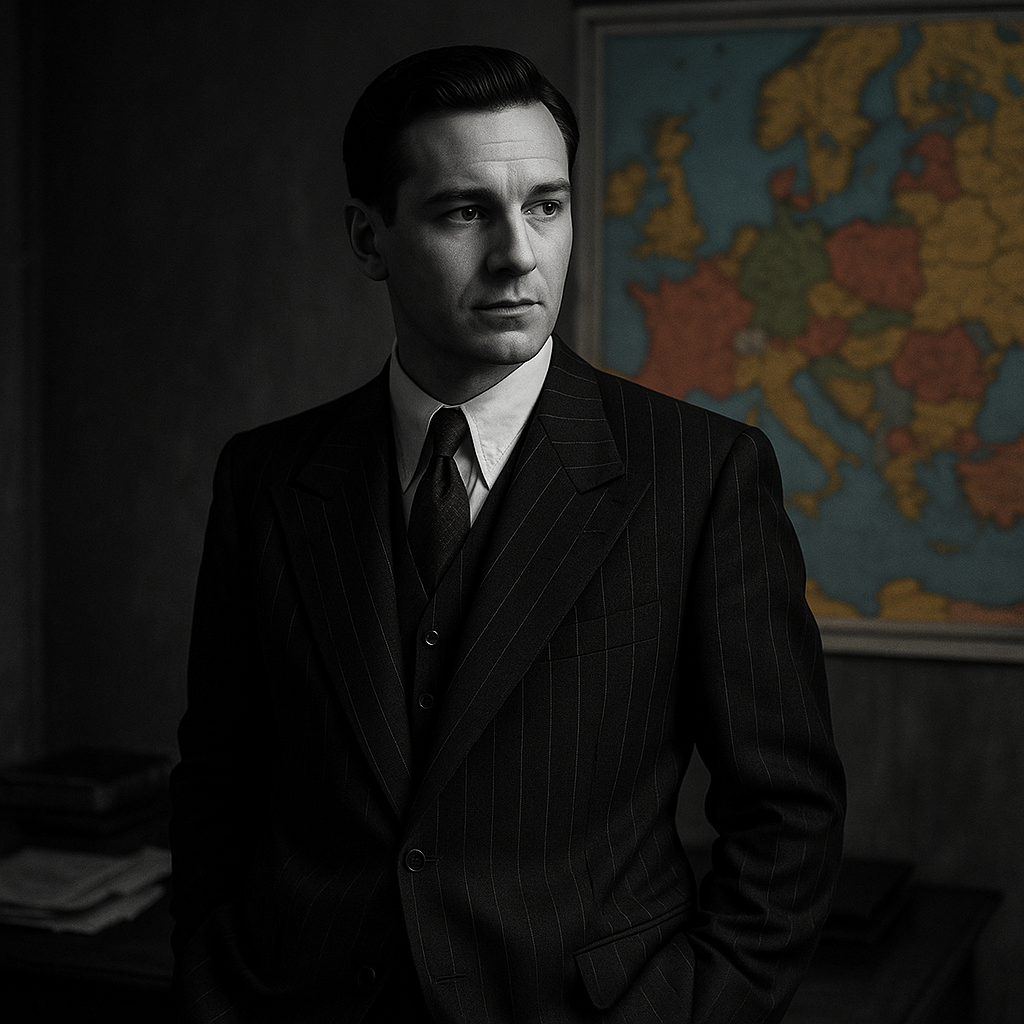
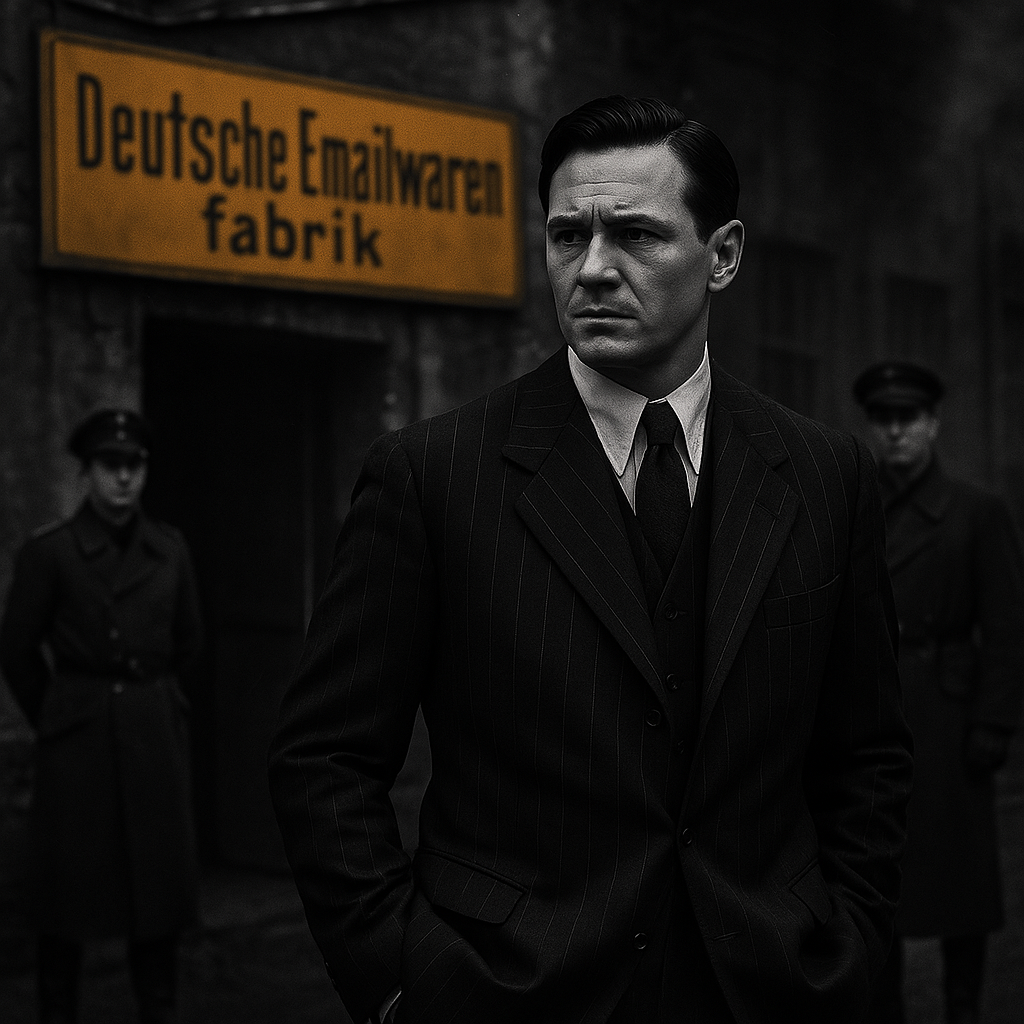
At first, Schindler supported the Nazi system. He became a member of the Nazi Party and used his connections to take control of a factory that had once belonged to a Jewish family. The Nazis had taken it away from them, like they did with many Jewish businesses. Schindler renamed it Deutsche Emailwarenfabrik (The German Enamelware Factory). He saw that he could make a big profit by using Jewish workers because they were forced to work for almost no pay.
Like many other Germans at the time, Schindler was surrounded by Nazi propaganda. It said that Jewish people were the enemy and not real humans. It showed them as dangerous and evil. Schindler accepted these ideas in the beginning and didn’t question them. He focused on business, money, and success.
But over time, something changed. Schindler spent a lot of time in his factory, and he began to get to know his Jewish workers. He saw their fear, their families, and their suffering. He realized that the propaganda he had believed was full of lies. The Jewish workers were not enemies; they were ordinary people who deserved to live.
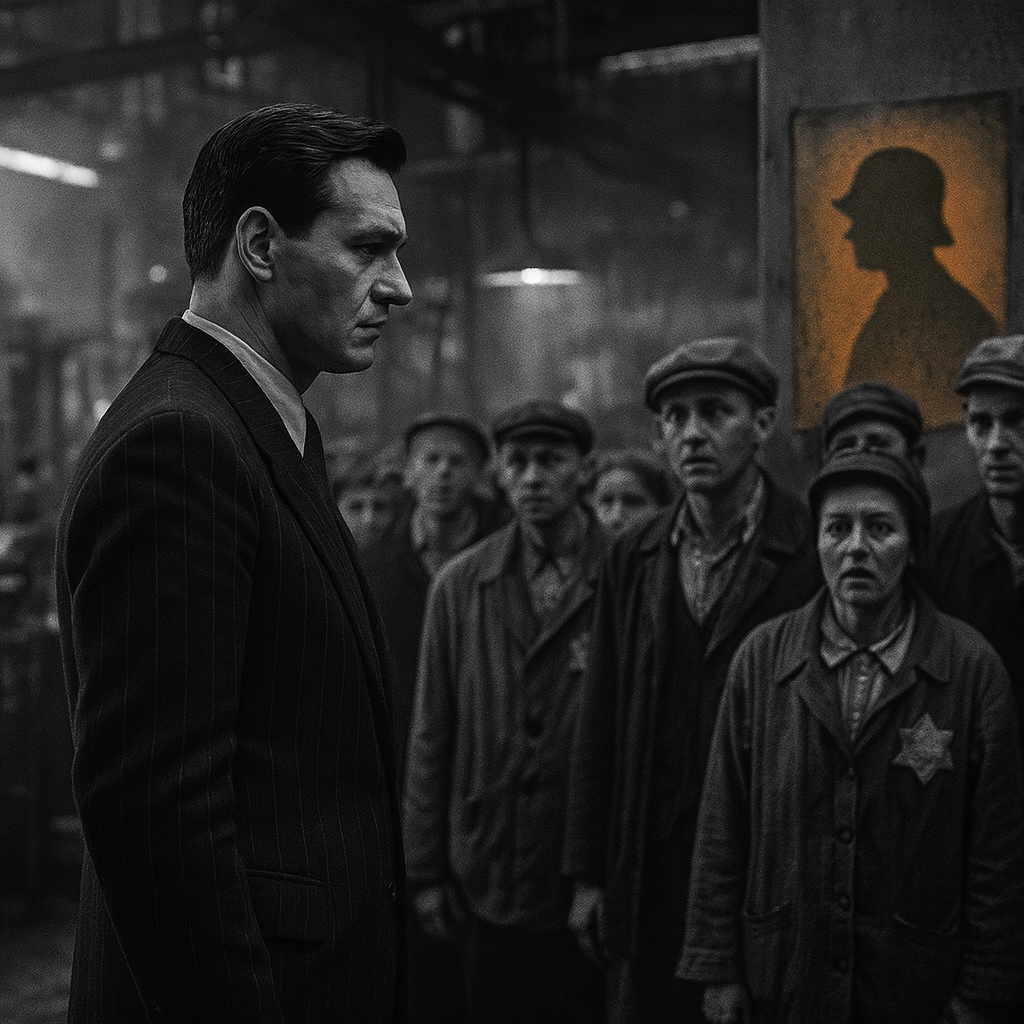
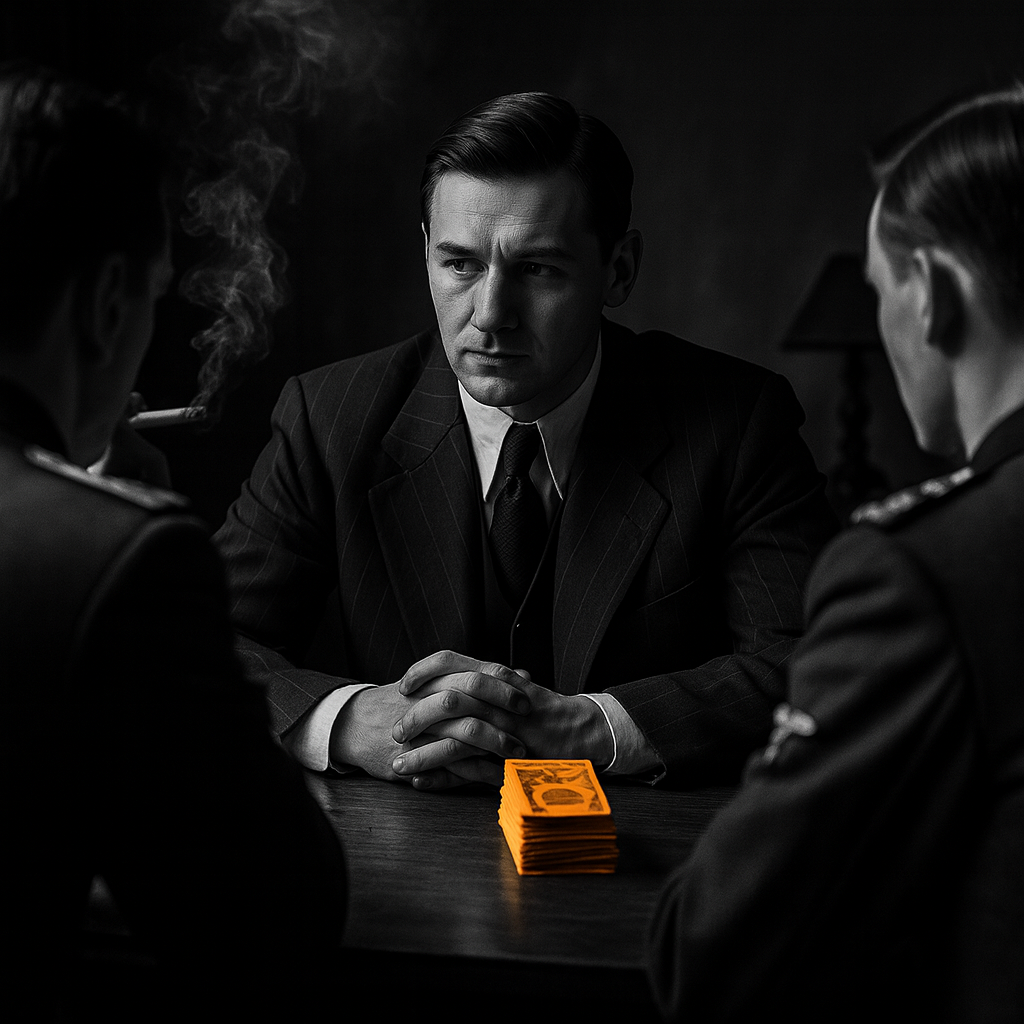
As the war continued, Schindler’s attitude changed completely. He started to use his money and influence to protect his workers from being sent to concentration camps. He bribed Nazi officers with money, gifts, and alcohol so that his workers could stay in his factory and avoid deportation. Every bribe was dangerous — if the Nazis found out what he was doing, he could have been arrested or executed.
In 1944, when the Nazis began closing the Kraków ghetto and sending Jews to Auschwitz, Schindler made a brave decision. He moved his factory and all his Jewish workers to a new location in Brünnlitz, in what is now the Czech Republic. This became known as Schindler’s List — a list of about 1,200 names of people he wanted to save.
When a group of his workers was accidentally sent to Auschwitz, Schindler went there himself to demand their release. He met with SS officers, bribed them, and refused to leave until his workers were freed. This was an extremely dangerous act — few people ever challenged the SS.
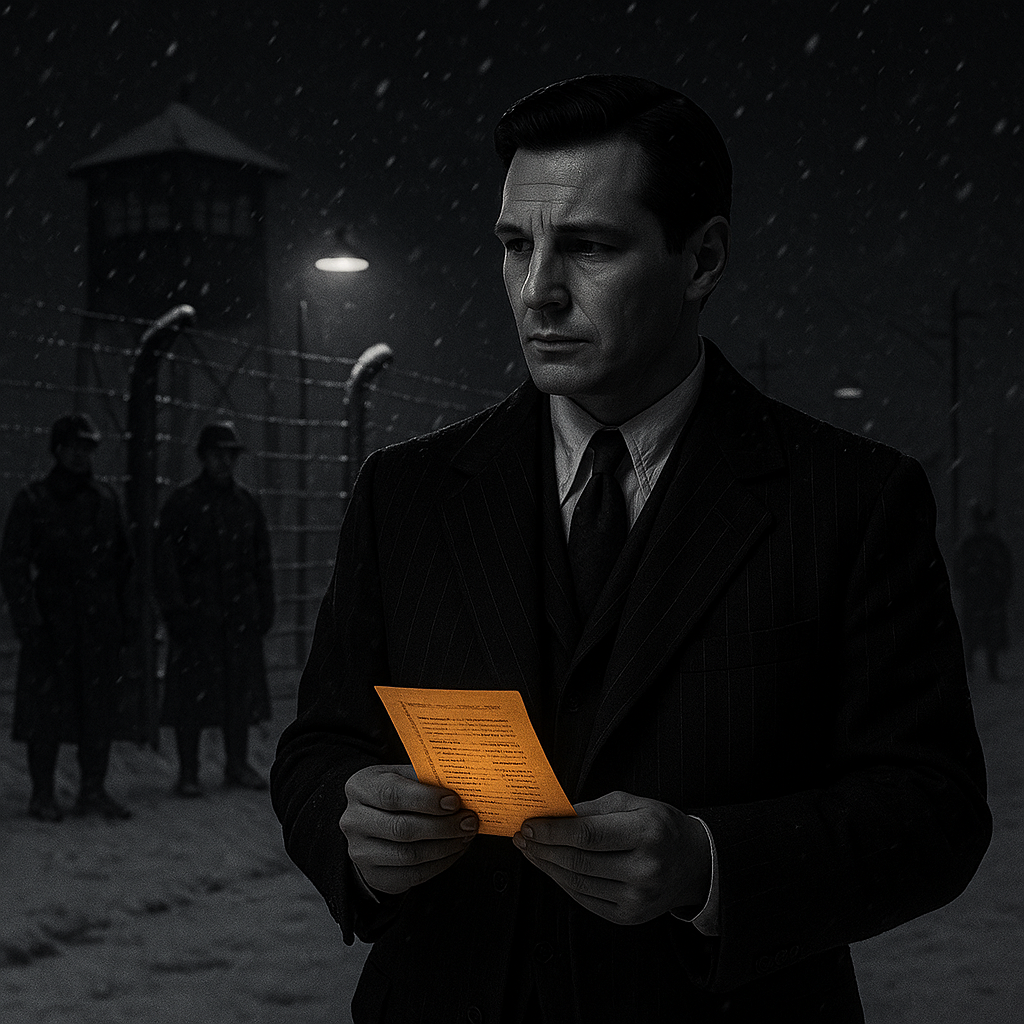
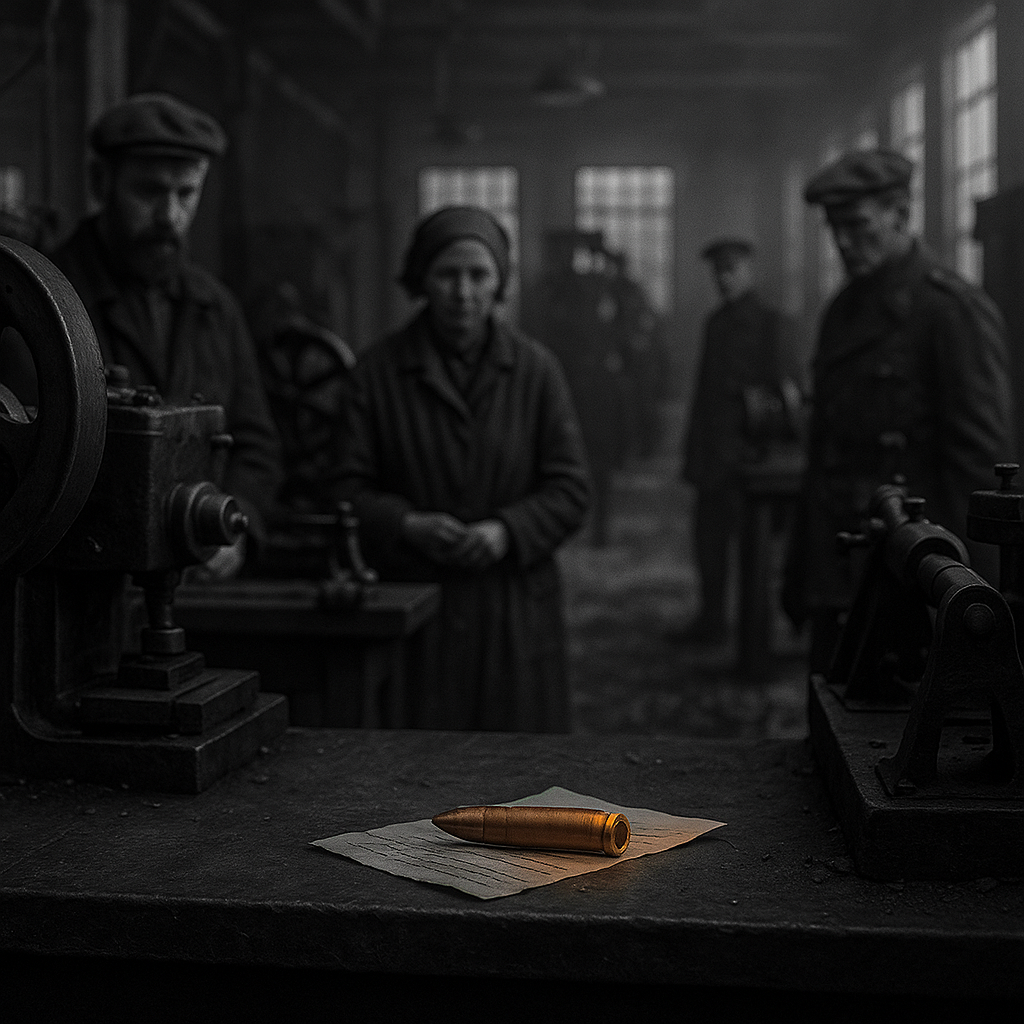
The new factory in Brünnlitz was officially a weapons factory that was supposed to produce ammunition for the German army. But Schindler made sure that the machines were old or broken and that the workers were not trained to make real weapons. The factory produced almost no usable bullets, because Schindler didn’t want to help the Nazi war effort. The factory was really a safe place where his workers could survive until the end of the war.
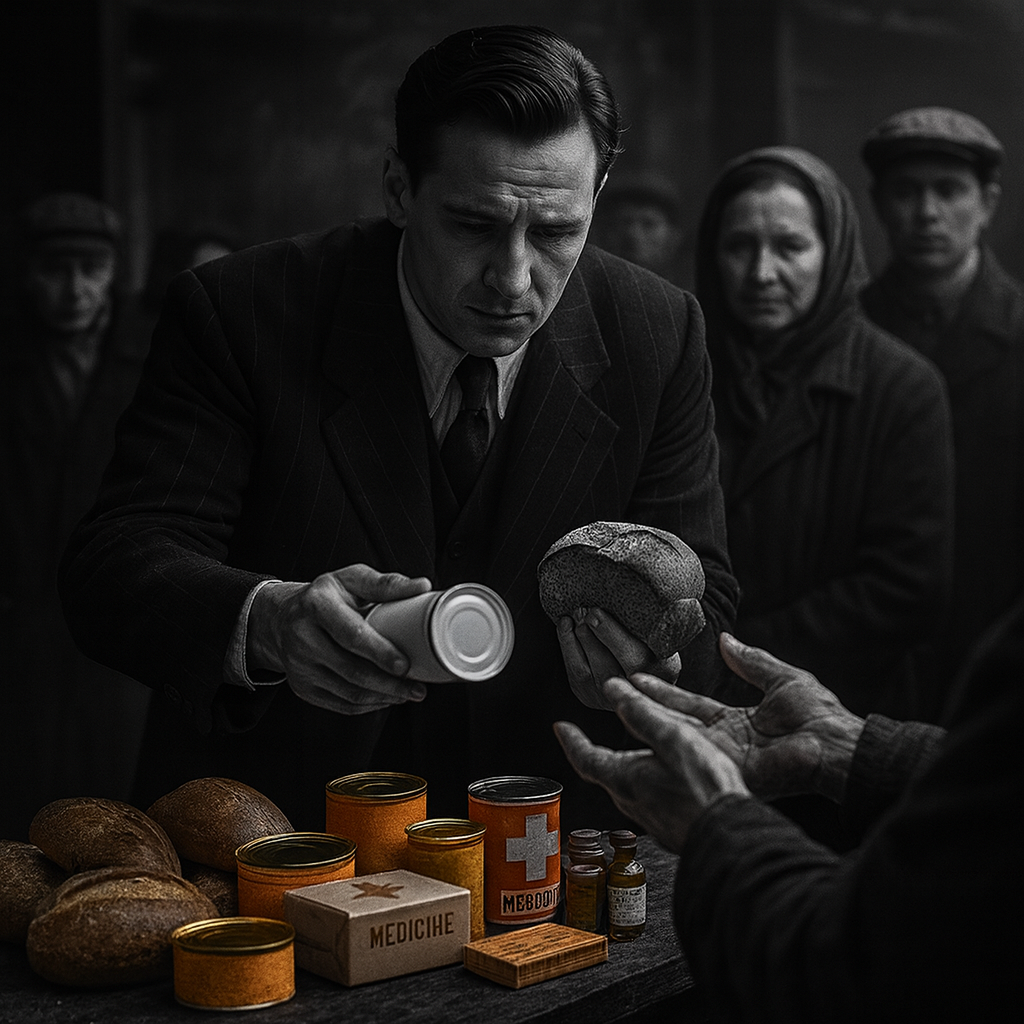
To keep his workers alive, Schindler spent all his money on food, medicine, and bribes. By 1945, when the war ended, he was completely poor. He had lost his fortune — but he had saved around 1,200 Jewish men, women, and children.
During the war, Schindler was arrested by the Gestapo three times, accused of helping Jews and illegal trading. Each time he managed to get released, usually by using his contacts and paying bribes. If the Nazis had discovered the full truth about what he was doing, he would have been executed.
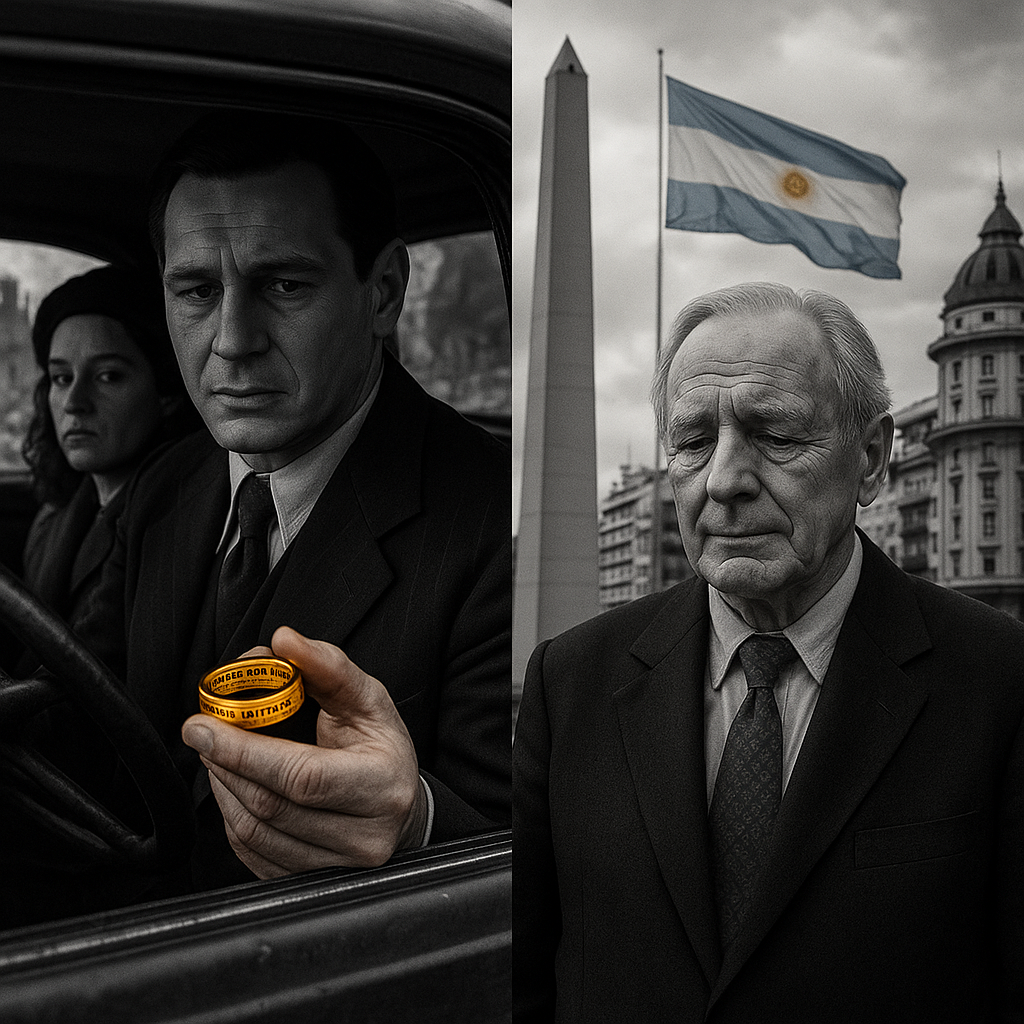
When the war ended, Schindler and his wife, Emilie, fled west to avoid being caught by the Soviet army. His workers wrote a letter to protect him and gave him a gold ring engraved with the words:
“Whoever saves one life saves the world entire.”
After the war, Schindler lived first in Germany and later in Argentina, but he never became rich again. He stayed in contact with many of the people he had saved, who called themselves Schindlerjuden — “Schindler’s Jews.”
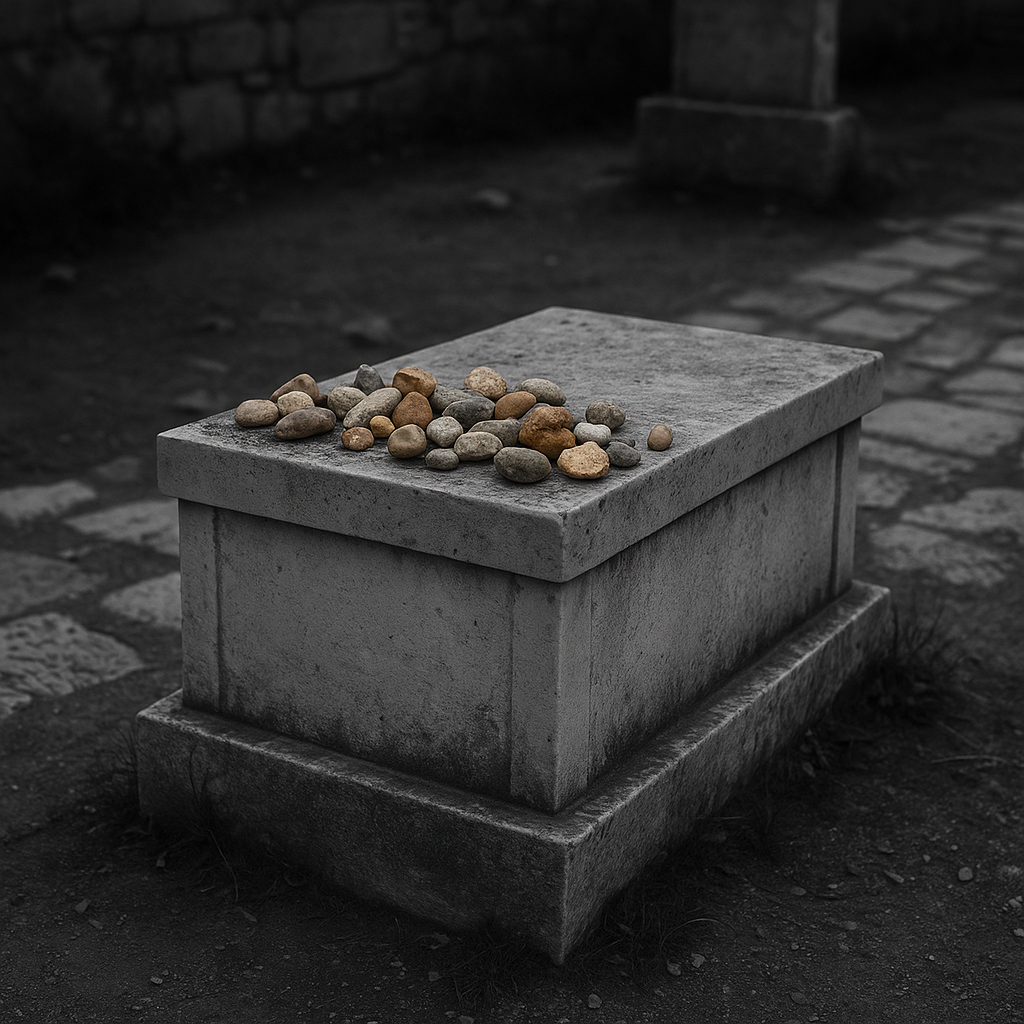
Oskar Schindler died in 1974. According to his wish, he was buried in Jerusalem, Israel, on Mount Zion, the city where many of the people he saved lived. He is the only member of the Nazi Party buried there. His grave has a simple stone that says:
Righteous Among the Nations
Oskar Schindler
1908–1974
Visitors often place small stones on his grave — a Jewish tradition that shows respect and remembrance. His resting place is a powerful symbol of courage and humanity.
Questions to answer
Comprehension questions
Why did Oskar Schindler move to Kraków in 1939?
How did Schindler get control of the factory Deutsche Emailwarenfabrik?
What made Schindler change his view of his Jewish workers?
What dangerous actions did Schindler take to protect his workers?
What did Schindler spend all his money on during the war?
Why do you think Schindler was willing to risk his own life for his workers, even though he could have stayed safe and rich?
How does Schindler’s change of heart show the power and danger of propaganda?
Why do you think Schindler felt regret, even after saving around 1,200 people?
What does the engraved ring (“Whoever saves one life saves the world entire”) tell us about how the workers saw Schindler?
DISCUSSION QUESTIONS (answer in writing), use examples and show evidence for your thoughts. (part of your grade)
1. “One person can make a difference.”
Using Schindler’s story as an example, discuss whether you agree or disagree with this statement.
Give reasons and examples from the text.
2. “Propaganda can change how people see others.”
Explain how propaganda influenced Schindler in the beginning, and how he eventually saw through it.
Describe how this connects to real-life situations today.