You will watch the bombing of London during World War II. This will help you understand the life of Margaret Thompson.
You should read the text, answer the questions and reason with yourself.
Youtube: British Pathé
the story of Margaret Thompson
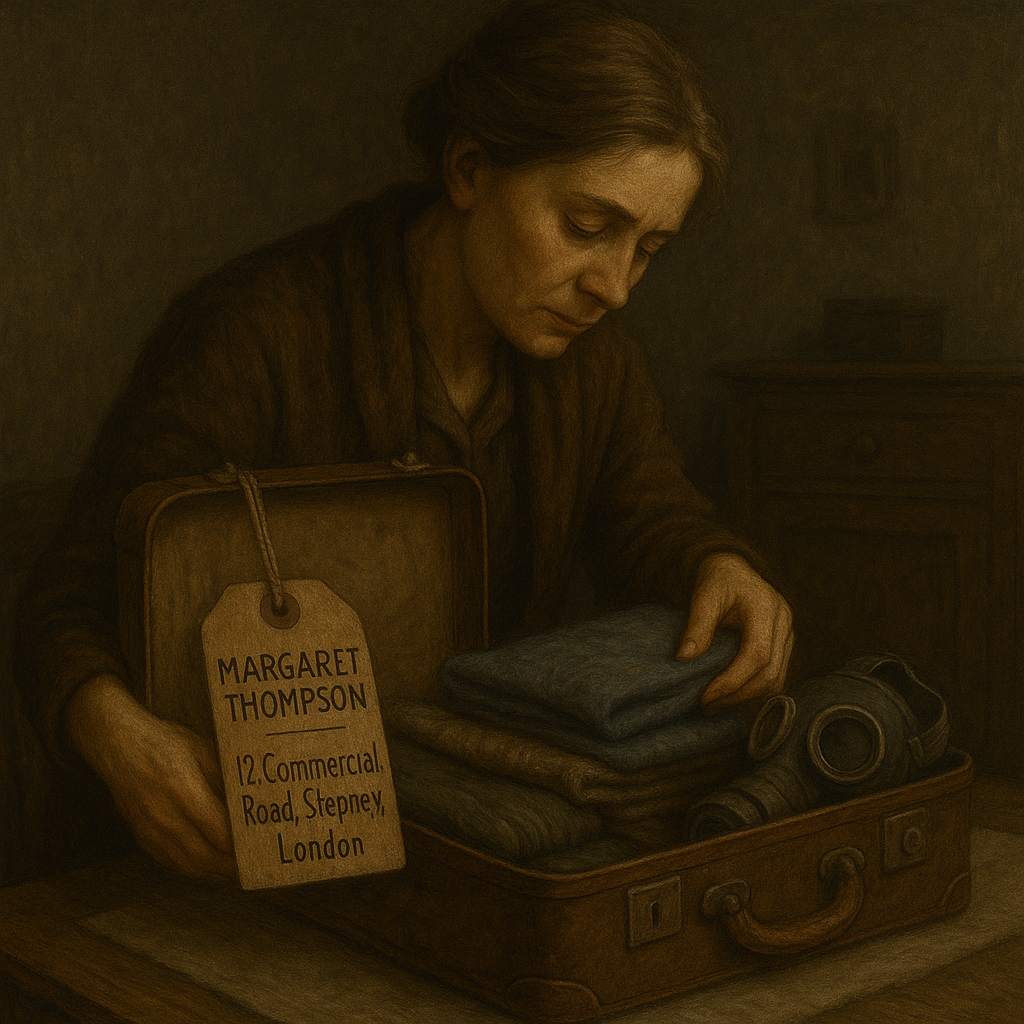
In London, a mother packed a small suitcase for her daughter. She folded clothes, placed a gas mask on top, and tied a brown label to the handle. On the label she wrote in neat handwriting:
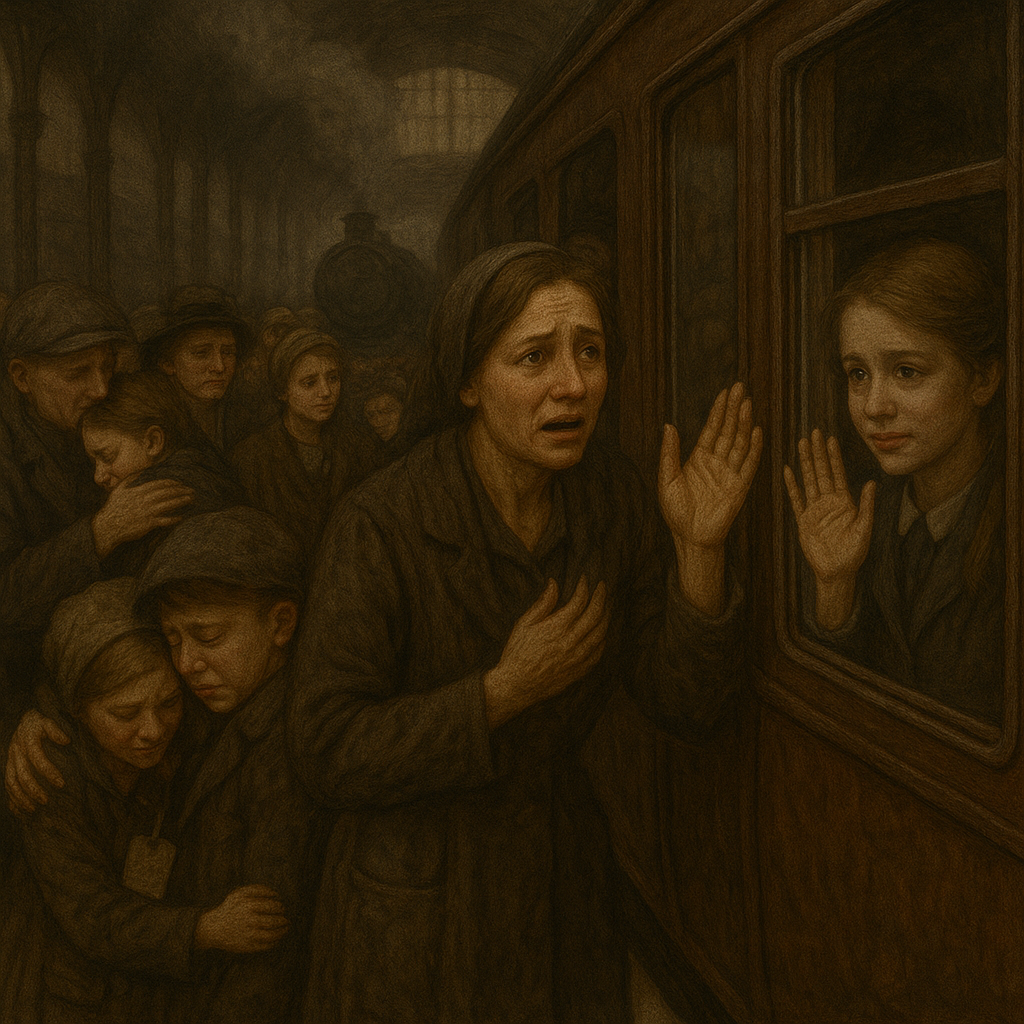
At the train station, dozens of other parents stood with their children, some crying quietly, others trying to smile. The loud whistle blew, and the train began to move. Margaret’s mother waved until her daughter’s face disappeared in the window.
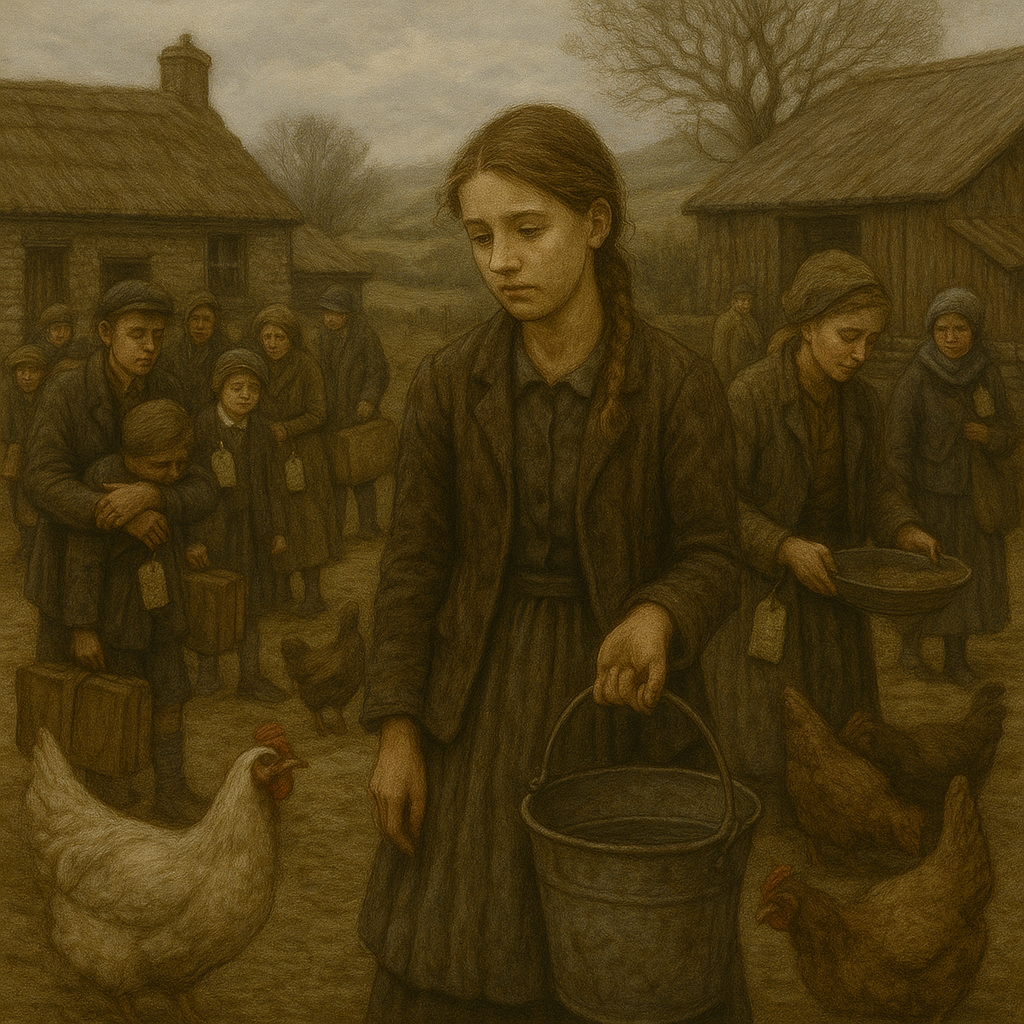
Margaret was sixteen years old, and now she was on her way to Wales. She was not alone. Other children from London and Liverpool also arrived in the small village, each carrying a suitcase and a label with their name and address.
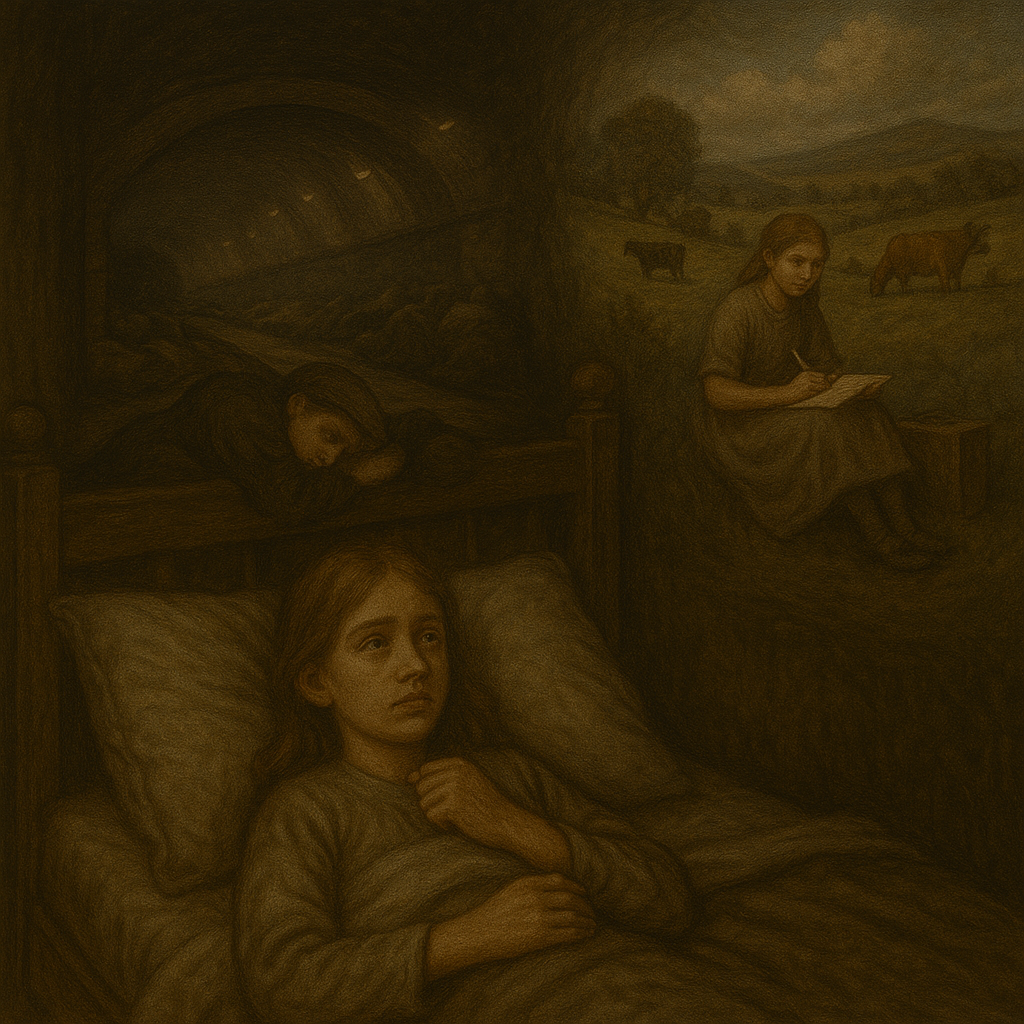
At first, Margaret hated it. She missed her parents, her friends, and even the noisy streets of Stepney in London’s East End, where bombs often fell. The farming family she lived with was kind, but everything felt strange. The food tasted different, and she had to help with heavy work like carrying water and feeding chickens.
Life in the village was quieter than in London, but war was never far away. When night fell, the family covered their windows with heavy black cloth so no light could escape. Everyone knew that if enemy planes saw even the smallest light, it could bring danger.
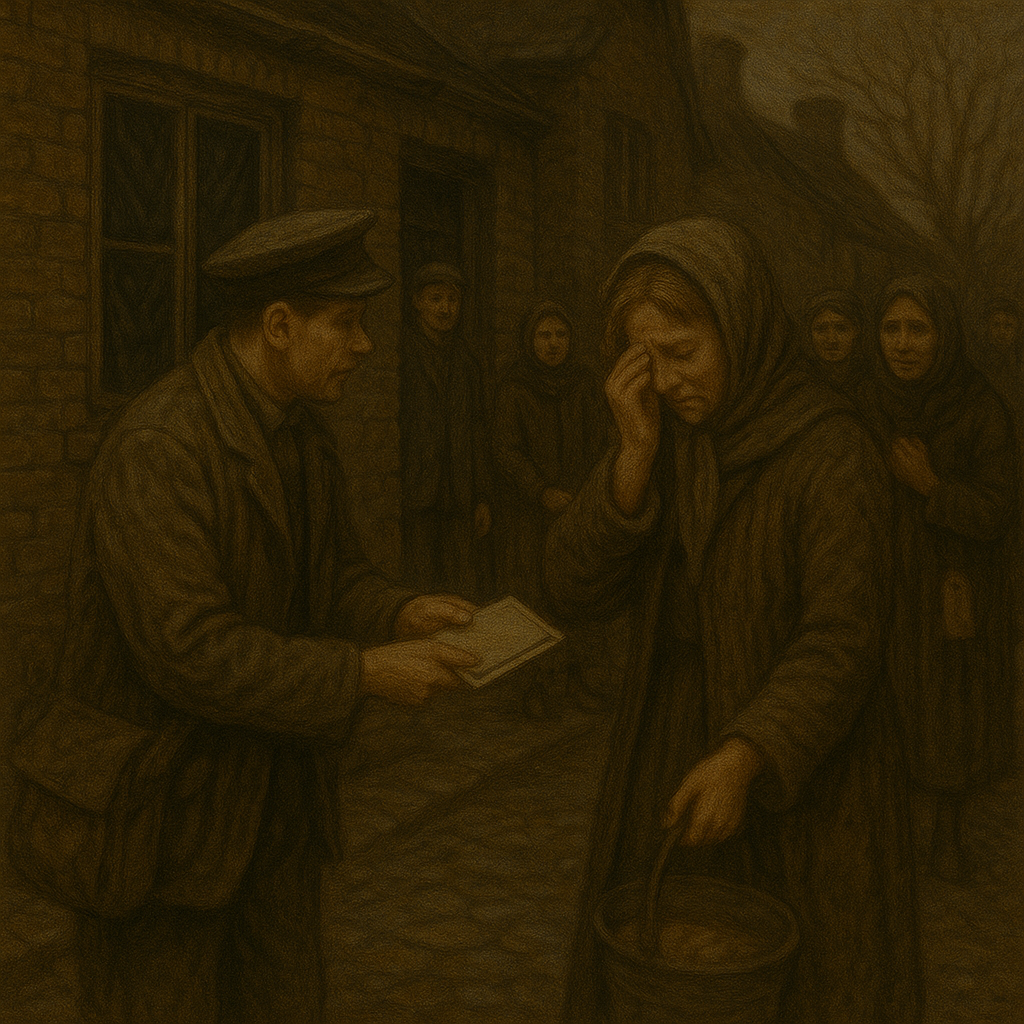
Sometimes the postman brought black-edged letters to neighbors. These letters told families that a son or a husband had died in the war, or that a relative back in London had been killed in the Blitz (the long series of bombing attacks on British cities, especially London, during 1940–41). Margaret saw women cry in the street, holding the paper in shaking hands.
At night, she lay in bed thinking of her parents. She pictured them sleeping in the London Underground at Bethnal Green station, while bombs fell above. Sometimes she woke from dreams where she could hear the sound of sirens and explosions.
Over time, Margaret began to enjoy the quiet hills and the fresh air. She learned to milk cows and write long letters home. She smiled more often, but her heart still ached with worry. She did not know when, or if, she would ever see London — or her parents — again.